Transform your kitchen waste into black gold! Composting fruit and vegetable scraps is one of the smartest, most sustainable practices for any gardener looking to enrich their soil naturally.

Every day, households throw away pounds of organic material that could be transformed into nutrient-dense compost. Instead of sending these valuable resources to landfills where they produce methane gas, you can harness their power to create a thriving, chemical-free garden. Understanding which kitchen scraps work best in your compost pile and how to balance them properly makes all the difference between mediocre results and truly exceptional soil amendment.
🌱 Why Composting Kitchen Scraps Is a Game-Changer
Composting fruit and vegetable waste offers remarkable benefits that extend far beyond simple waste reduction. When you compost properly, you’re creating a living ecosystem of beneficial microorganisms that break down organic matter into humus-rich soil amendment. This finished compost improves soil structure, increases water retention, encourages beneficial organisms, and provides slow-release nutrients that plants can access over time.
Unlike synthetic fertilizers that can burn plants and leach into groundwater, compost releases nutrients gradually while building long-term soil health. The microorganisms in compost also help suppress plant diseases and pests naturally. Furthermore, composting dramatically reduces your household’s carbon footprint by diverting waste from landfills and eliminating the need for chemical fertilizers.
🍎 The Ultimate Fruit Scraps for Composting
Fruit scraps are excellent additions to any compost pile because they’re rich in sugars that microorganisms love, helping to heat up your compost and speed decomposition. However, not all fruit waste is created equal when it comes to composting efficiency.
Best Fruit Scraps for Your Compost Bin
Apple cores and peels decompose relatively quickly and add valuable nutrients without attracting excessive pests. Banana peels are potassium powerhouses that break down faster when chopped into smaller pieces. Berry scraps, including strawberry tops and damaged berries, provide quick energy for compost microbes.
Citrus peels can be composted but should be used in moderation as their acidity and natural oils can slow decomposition and repel certain beneficial organisms. Chop them into small pieces and mix thoroughly with other materials. Stone fruit pits from peaches, plums, and cherries will eventually break down but take considerably longer—consider crushing them or simply removing them from your compost.
Melon rinds, including watermelon, cantaloupe, and honeydew, are excellent compost additions but should be cut into smaller chunks to accelerate breakdown. Grape stems and damaged grapes compost beautifully and add moisture. Pineapple tops and cores provide good structure while decomposing, and mango peels and pits (crushed) contribute valuable nutrients.
Fruit Scraps to Approach with Caution
While most fruit waste works wonderfully in compost, a few items require special consideration. Extremely moldy fruit can be composted but may introduce unwanted fungal spores—bury these deep in hot compost piles. Fruit with pesticide residues should be avoided if you’re maintaining an organic garden, as these chemicals can persist through the composting process.
🥕 Vegetable Scraps That Create Compost Gold
Vegetable waste typically makes up the largest portion of compostable kitchen scraps and provides an excellent balance of nutrients. Most vegetable matter is considered “green” material in composting terms, meaning it’s rich in nitrogen and moisture.
Top Vegetable Scraps for Composting Success
Leafy green trimmings from lettuce, spinach, kale, and chard break down rapidly and provide abundant nitrogen. Carrot peels and tops decompose quickly while adding trace minerals. Celery ends and leaves contribute moisture and structure. Cucumber peels and ends are water-rich and decompose swiftly.
Pepper scraps, both sweet and hot varieties, compost well though hot peppers retain their capsaicin through the process. Tomato scraps including cores, stems, and damaged fruits are excellent additions, though the seeds may sprout in your finished compost. Squash and zucchini scraps provide good moisture content and break down efficiently.
Broccoli and cauliflower stalks and leaves are nutrient-dense but take longer to decompose—chop them into smaller pieces. Cabbage leaves and cores work well when shredded. Brussels sprout leaves and trimmed ends compost effectively. Asparagus ends contribute valuable nutrients despite their tougher texture.
Potato peels are excellent compost material, though they may sprout in your pile—simply turn them under or use them in hot compost. Sweet potato scraps decompose more slowly but add valuable nutrients. Beet greens and scraps are outstanding additions. Radish tops and trimmings break down quickly and add nitrogen.
Vegetable Scraps Requiring Special Handling
Onion and garlic scraps can be composted but may slow decomposition due to their antimicrobial properties—use them in moderation and chop finely. Corn cobs take an extremely long time to break down and should be broken into small pieces or removed from compost. Artichoke leaves are very fibrous and decompose slowly unless shredded.
🌿 Herbs and Seasonings in Your Compost
Fresh herb trimmings from parsley, cilantro, basil, oregano, thyme, and other culinary herbs make excellent compost additions. They decompose quickly and may even contribute antimicrobial properties that help balance your compost ecosystem. Wilted or spoiled fresh herbs can go directly into your bin.
Dried herbs and spices can also be composted in small quantities, though their preservation means they’ll break down more slowly. Used tea bags (remove staples and ensure bags are compostable) and coffee grounds with filters are technically not fruits or vegetables but are outstanding compost additions that provide nitrogen and attract beneficial worms.
⚖️ Balancing Your Compost: The Green and Brown Ratio
Successful composting requires balancing nitrogen-rich “green” materials with carbon-rich “brown” materials. Most fruit and vegetable scraps are considered greens, which means you’ll need to add browns to maintain the ideal ratio of approximately 3:1 or 4:1 carbon to nitrogen.
Browns include dried leaves, shredded newspaper, cardboard, straw, wood chips, and sawdust from untreated wood. Without adequate brown material, your compost pile will become slimy, smelly, and anaerobic. With too much brown material, decomposition slows dramatically. Finding the right balance creates conditions where aerobic bacteria thrive, generating heat that accelerates breakdown while killing pathogens and weed seeds.
A properly balanced compost pile should have the moisture content of a wrung-out sponge and should heat up to between 130-160°F in its center. This hot composting process produces finished compost in as little as 4-8 weeks with regular turning.
🚫 What NOT to Put in Your Compost Bin
While this article focuses on what you can compost, it’s equally important to understand what should stay out. Meat, fish, bones, and dairy products attract pests and create odor problems. Oils, fats, and grease coat organic materials and prevent proper aeration. Pet waste can contain harmful pathogens. Diseased plant material may spread problems to your garden.
Treated wood products, synthetic materials, and anything with persistent chemicals should never be composted. Coal or charcoal ash contains substances harmful to plants. Heavily processed foods with preservatives, excessive salt, or sugar should be avoided or used very sparingly.
✂️ Preparation Tips for Faster Decomposition
Size matters significantly in composting. Smaller pieces decompose exponentially faster than large chunks because they provide more surface area for microorganisms to colonize. Invest in a good kitchen knife or consider keeping kitchen scissors near your compost collection container to quickly chop scraps before adding them.
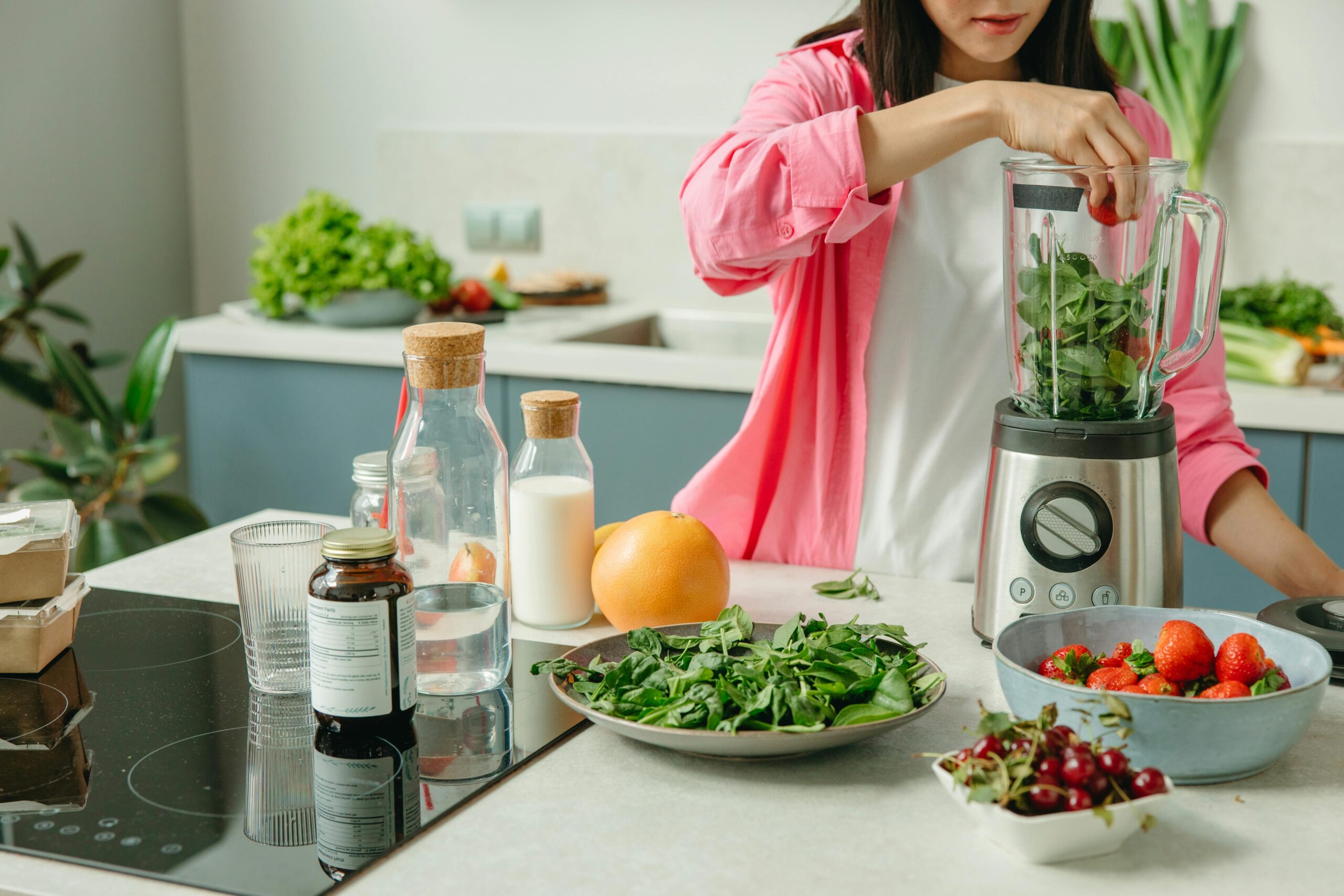
Fibrous materials like corn husks, thick vegetable stalks, and large fruit rinds benefit especially from chopping or shredding. Some composters use blenders or food processors to create a slurry from wet scraps, which accelerates decomposition dramatically but isn’t necessary for successful composting.
Storage Before Composting
Keep a covered container on your kitchen counter or under your sink to collect scraps between trips to your outdoor compost pile. Containers with charcoal filters help control odors. Empty your collection container every 2-3 days to prevent fruit flies and unpleasant smells. During winter or for those with limited outdoor access, consider a bokashi bucket or vermicompost system for indoor composting.
🔥 Hot Composting vs. Cold Composting Methods
Hot composting involves actively managing your pile to maintain high temperatures that accelerate decomposition. This requires building a pile of at least 3x3x3 feet, maintaining proper moisture and aeration, and turning regularly. The result is finished compost in 1-3 months and temperatures high enough to kill most weed seeds and pathogens.
Cold composting is more passive—simply add materials as they become available and let nature take its course. This method requires less effort but takes 6-12 months or longer to produce finished compost. Cold piles don’t generate sterilizing heat, so avoid adding anything with viable weed seeds or disease.
Many home gardeners use a hybrid approach, maintaining their pile reasonably well but not adhering to strict hot composting protocols. This typically produces usable compost in 3-6 months with moderate effort.
🪱 Vermicomposting: Letting Worms Do the Work
Vermicomposting uses red wiggler worms to process fruit and vegetable scraps into exceptionally nutrient-rich castings. This method works wonderfully for apartment dwellers or anyone with limited outdoor space. Worms prefer many of the same fruit and vegetable scraps discussed above but are more sensitive to citrus and onions.
Worm bins can be kept indoors year-round and produce both solid castings and nutrient-rich liquid “worm tea.” The process is faster than traditional cold composting and produces a superior finished product. However, worm bins have limited capacity and require more attention to moisture levels and feeding schedules.
🌡️ Seasonal Composting Considerations
Composting dynamics change with the seasons. Summer heat accelerates decomposition but requires more frequent moisture monitoring. Winter cold slows or halts the composting process in many climates—consider insulating your bin or stockpiling materials to build a large pile in spring. Fall brings an abundance of leaves that make perfect brown material to balance your fruit and vegetable scraps.
Spring is ideal for starting new compost piles as warming temperatures activate dormant microorganisms. During wet seasons, you may need to add extra brown material to absorb excess moisture. In dry periods, occasional watering keeps your pile active.
🎯 Troubleshooting Common Composting Problems
If your compost smells like ammonia, you have too much green material—add browns and turn thoroughly. If it smells like rotten eggs, it’s too wet and lacks oxygen—add browns and turn to introduce air. If your pile isn’t heating up, it may be too small, too dry, or lacking nitrogen—add more greens and water if needed.
Fruit flies are attracted to exposed fruit scraps—bury new additions under existing compost or cover with brown material. Larger pests indicate you may have added inappropriate materials like meat or dairy. A properly maintained compost pile should not attract significant pest problems.
🏆 Using Your Finished Compost
Finished compost is dark, crumbly, and smells earthy—not like the original materials. It should be unrecognizable as former fruit and vegetable scraps. Screen compost through hardware cloth to remove any remaining large pieces, which can be returned to your active pile.
Use finished compost as a soil amendment by mixing it into garden beds, as a top dressing around established plants, as a component in potting mixes, or as compost tea by steeping it in water to create a liquid fertilizer. Apply compost generously—it’s nearly impossible to over-apply this gentle, balanced amendment.
💚 The Environmental Impact of Kitchen Scrap Composting
The average household generates over 200 pounds of compostable fruit and vegetable waste annually. When this organic matter reaches landfills, it decomposes anaerobically and produces methane—a greenhouse gas 25 times more potent than carbon dioxide. By composting at home, you directly reduce methane emissions while creating a valuable resource.
Compost use also reduces or eliminates the need for synthetic fertilizers, which require significant fossil fuel energy to manufacture and transport. Healthy, compost-enriched soil sequesters carbon, improves water infiltration reducing runoff pollution, and supports biodiversity in soil ecosystems.
🌟 Taking Your Composting to the Next Level
Once you’ve mastered basic fruit and vegetable scrap composting, consider expanding your system. Multiple bins allow you to fill one while another matures. Compost thermometers help you monitor your pile’s temperature for optimal hot composting. Aeration tools make turning easier and more effective.
Join local composting groups or online communities to share experiences and learn advanced techniques. Some gardeners experiment with compost accelerators, specific microbial inoculants, or mineral additives. Others explore specialized methods like bokashi fermentation or black soldier fly larvae systems.
The journey from kitchen scraps to garden gold is remarkably rewarding. Every banana peel, apple core, and carrot top becomes part of a natural cycle that enriches your soil, feeds your plants, and connects you more deeply to the food you grow. Start small, be consistent, and watch as your garden transforms with the power of composted fruit and vegetable waste. Your plants will thank you with vigorous growth, vibrant health, and abundant harvests—all fueled by the nutrient-rich gold you created from materials you once threw away. 🌱✨