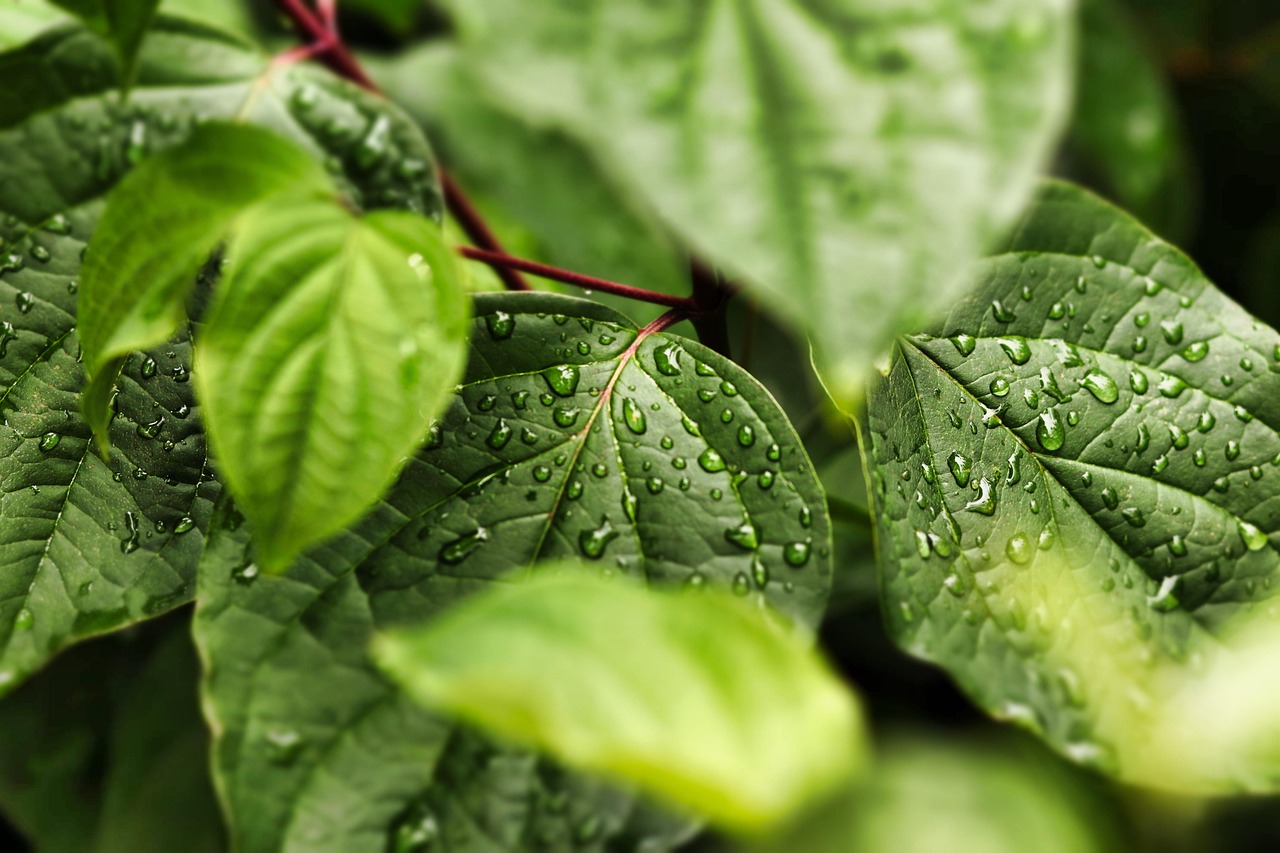
Creating a landscape that captivates through every season requires strategic planning and understanding of how plants transition from vibrant greens to warm browns. A well-designed greens-to-browns adjustment calendar transforms ordinary yards into extraordinary outdoor spaces that embrace nature’s rhythms.

Many homeowners struggle with landscapes that look spectacular in spring but become dull and lifeless by autumn. The secret to maintaining visual interest year-round lies in understanding seasonal color transitions and planning your garden around these natural changes. By mastering the art of seasonal adjustments, you’ll create a landscape that tells a different story with each passing month.
🌱 Understanding the Science Behind Seasonal Color Changes
The transition from greens to browns isn’t simply about plant death or dormancy—it’s a sophisticated biological process that reflects environmental changes and plant survival strategies. Chlorophyll, the pigment responsible for green coloration, breaks down as temperatures drop and daylight decreases, revealing underlying pigments like carotenoids and anthocyanins.
Different plant species respond uniquely to seasonal triggers. Some trees and shrubs display brilliant reds and oranges before settling into browns, while others transition directly from green to golden hues. Understanding these patterns allows you to choreograph a landscape performance that builds momentum rather than simply fading away.
Deciduous plants typically begin their color transformation when night temperatures consistently drop below 45°F (7°C). Evergreens, conversely, maintain their green coloration but may shift in intensity, becoming darker or more muted during winter months. This fundamental knowledge forms the foundation of your seasonal adjustment calendar.
🗓️ Creating Your Personal Greens-to-Browns Adjustment Calendar
Building an effective adjustment calendar requires documenting your specific climate zone, microclimate variations within your property, and the individual characteristics of each plant species you’ve selected. Start by dividing your calendar into eight distinct phases rather than just four seasons—this granular approach captures subtle transitions that make landscapes truly exceptional.
The early spring awakening phase (late February through March) focuses on the first green shoots emerging. Mid-spring abundance (April through May) brings peak green saturation. Late spring maturation (late May through June) sees greens deepening and stabilizing. Summer intensity (July through August) often brings drought-stressed color variations.
Early autumn transition (September) introduces the first color changes. Mid-autumn transformation (October) delivers peak color drama. Late autumn settling (November) shows the shift toward browns and golds. Winter structure (December through February) emphasizes textures and architectural elements over color.
Mapping Your Property’s Microclimates
Not all areas of your landscape will transition simultaneously. South-facing slopes receive more sunlight and retain warmth longer, delaying color changes. North-facing areas cool faster, triggering earlier transitions. Low-lying areas where cold air settles will show autumn colors before nearby elevated sections.
Document these variations on a simple property map. Note which areas change first, which hold their green coloration longest, and which sections receive consistent moisture versus those that dry out quickly. This microclimate awareness allows you to strategically position plants for maximum seasonal impact.
🍂 Strategic Plant Selection for Stunning Transitions
The foundation of successful seasonal transitions begins with selecting plants that offer visual interest during multiple phases. Rather than choosing specimens that peak once and fade into obscurity, prioritize those with extended appeal or dramatic transformations.
Trees like Japanese maples, sweet gums, and red oaks provide exceptional autumn color before transitioning to interesting branch structures. Ornamental grasses transform from fresh green blades to wheat-colored plumes that persist through winter, moving gracefully in cold breezes. Shrubs such as burning bush and oakleaf hydrangea deliver spectacular color changes while maintaining structural presence.
Layering for Continuous Interest
Professional landscape designers employ a layering strategy that ensures something catches the eye during every season. The canopy layer consists of large trees providing overhead structure. The understory layer features smaller trees and large shrubs. The shrub layer creates mid-level interest, while the herbaceous layer delivers ground-level color and texture.
Within each layer, select plants with staggered transition timelines. While one species moves toward dormancy, another reaches its seasonal peak. This orchestration creates a landscape that flows seamlessly through color changes rather than experiencing abrupt shifts.
🎨 Color Theory for Seasonal Landscape Design
Understanding color relationships elevates your greens-to-browns calendar from functional to phenomenal. Complementary colors create visual excitement—orange autumn foliage pops dramatically against evergreen backgrounds. Analogous color schemes using neighboring colors (yellows, oranges, and reds) create harmonious transitions that feel natural and cohesive.
Consider the progression of your color palette throughout the year. Spring might emphasize fresh yellow-greens and bright whites. Summer deepens into rich forest greens with purple and pink accents. Autumn explodes with warm oranges, reds, and yellows. Winter settles into browns, grays, and evergreen accents punctuated by berry colors.
The brown phase deserves particular attention, as many homeowners view it negatively. However, brown encompasses an extraordinary range—from golden wheat and rich chocolate to silvery taupe and warm amber. Mixing various brown tones with different textures creates winter landscapes that rival any season for visual interest.
⏰ Timing Your Maintenance Tasks
Your adjustment calendar isn’t just about observing changes—it’s an action plan for maintenance tasks that support healthy transitions and optimal appearance. Each seasonal phase requires specific interventions to help plants transition successfully while maintaining landscape appeal.
| Season Phase | Key Maintenance Tasks | Focus Areas |
|---|---|---|
| Early Spring | Pruning, fertilizing, mulch refresh | Remove winter damage, support new growth |
| Mid-Spring | Planting, edging, pest monitoring | Establish new plants, define spaces |
| Summer | Watering management, deadheading | Stress prevention, extend blooms |
| Early Autumn | Aeration, overseeding, dividing perennials | Prepare for dormancy, propagate |
| Late Autumn | Selective cleanup, winter protection | Leave beneficial structure, protect tender plants |
| Winter | Strategic pruning, planning, observation | Structural work, prepare next year’s strategy |
The Art of Selective Cleanup
One critical adjustment in modern landscape management involves resisting the urge to completely clean up during autumn transitions. Many perennials, grasses, and seed heads provide stunning visual interest during the brown phase while offering crucial habitat for beneficial insects and food sources for winter birds.
Document which plants look attractive in their brown phase and which simply look dead. Ornamental grasses, coneflower seed heads, sedum blooms, and hydrangea flowers often improve landscapes during winter months. Conversely, hostas, daylilies, and most annuals contribute little once frost-damaged and should be removed.
🌿 Enhancing Browns with Strategic Evergreen Placement
Evergreens serve as the backbone of four-season landscapes, providing consistent color that makes transitional browns appear intentional rather than neglected. Strategic evergreen placement creates a framework that supports and enhances seasonal changes rather than competing with them.
Position evergreens to create backdrops for deciduous specimens. A row of boxwood or yew behind ornamental grasses makes those wheat-colored plumes stand out dramatically. Evergreen groundcovers like pachysandra or periwinkle provide green carpets that make overhead brown branches appear sculptural.
Vary your evergreen selections to avoid monotony. Combine different needle types (spruce, pine, cedar), broadleaf evergreens (holly, rhododendron, boxwood), and evergreen groundcovers for textural diversity. Include both dark green and blue-green varieties to add subtle color variation within the evergreen palette.
💧 Water Management Through Seasonal Transitions
Proper hydration during transitional periods significantly impacts both the quality of autumn color displays and plant health entering dormancy. Many homeowners reduce watering too early, causing premature leaf drop that bypasses beautiful color stages. Others overwater during cool months, promoting disease and winter damage.
Your adjustment calendar should include hydration benchmarks for different plant categories. Trees and shrubs preparing for dormancy benefit from deep watering through mid-autumn, even after leaves begin changing. This supports root development and helps them withstand winter stress. Reduce watering frequency but increase depth during this period.
Evergreens require consistent moisture through winter, particularly during dry spells before ground freezes. These plants continue transpiring during winter and can suffer drought damage even in cold months. Note on your calendar to check evergreen moisture needs monthly during winter, watering when soil is dry and temperatures are above freezing.
📸 Documenting Changes for Future Planning
The most valuable tool for refining your greens-to-browns adjustment calendar is consistent documentation. Photograph your landscape from the same angles every two weeks throughout the year. This visual record reveals patterns, successes, and gaps that aren’t apparent during daily observation.
Create a digital or physical journal noting when specific plants begin transitioning, peak in seasonal color, and complete their change. Record weather patterns, as unusual temperatures or precipitation affect timing. Note which plant combinations exceeded expectations and which fell flat.
After several years of documentation, patterns emerge that allow increasingly accurate predictions and refinements. You’ll identify empty periods when nothing particularly interesting happens and can fill these gaps with additional plant selections. You’ll also discover which plants consistently underperform and can be replaced with better alternatives.
🌾 Incorporating Hardscape for Year-Round Structure
While plants drive seasonal transitions, hardscape elements provide permanent structure that grounds changing colors and guides the eye during sparse periods. Paths, patios, walls, and decorative elements become more prominent during the brown phase, so their design deserves careful consideration.
Choose hardscape materials that complement your brown palette rather than clashing with it. Warm-toned stones, weathered wood, and rust-colored metals harmonize with autumn and winter landscapes. These materials feel natural alongside transitioning plants rather than creating jarring contrasts.
Consider adding seasonal decorative elements that acknowledge transitions—strategically placed containers with seasonal plantings, outdoor lighting that highlights winter textures, or sculptural elements that emerge as focal points when surrounding plants go dormant. Note these additions on your calendar so they’re implemented at optimal times.
🦋 Supporting Wildlife Through Seasonal Changes
A comprehensive adjustment calendar considers wildlife needs alongside aesthetic goals. Many beneficial insects overwinter in plant stems and seed heads. Birds rely on persistent berries and seeds when other food sources disappear. Leaving strategic brown elements supports ecosystem health while enhancing landscape interest.
Document which plants provide wildlife value during transition periods. Native grasses offer nesting material and shelter. Berry-producing shrubs like winterberry and viburnum provide crucial cold-weather food. Standing perennials host beneficial insects that emerge in spring to pollinate your garden and control pests.
Plan cleanup activities around wildlife needs. Delay cutting perennials until late winter or early spring when insects have emerged and birds no longer need seed sources. This timing coincides with when those plants have provided maximum winter interest, making it practical and beneficial simultaneously.
🌟 Adapting Your Calendar to Climate Change
Traditional seasonal calendars increasingly require adjustment as climate patterns shift. Spring arrives earlier in many regions, autumn extends longer, and weather becomes less predictable. Your adjustment calendar must remain flexible and responsive to changing conditions.
Rather than relying solely on calendar dates, use phenological indicators—observable events in nature that signal seasonal progression. When forsythia blooms, specific maintenance tasks should occur regardless of the date. When soil temperature reaches certain thresholds, planting windows open. These natural indicators provide more reliable guidance than fixed dates.
Build contingency plans into your calendar for weather extremes. Note alternative timing for tasks if spring arrives unusually early or late. Identify plants that struggle during increasingly common heat waves and plan replacements with more resilient alternatives. This adaptive approach keeps your landscape thriving despite changing conditions.
✨ Celebrating the Beauty of Transition Itself
The ultimate goal of a greens-to-browns adjustment calendar isn’t fighting seasonal changes or trying to maintain perpetual green—it’s embracing and amplifying the beauty inherent in natural transitions. Each phase offers unique aesthetic qualities that deserve appreciation and intentional design consideration.
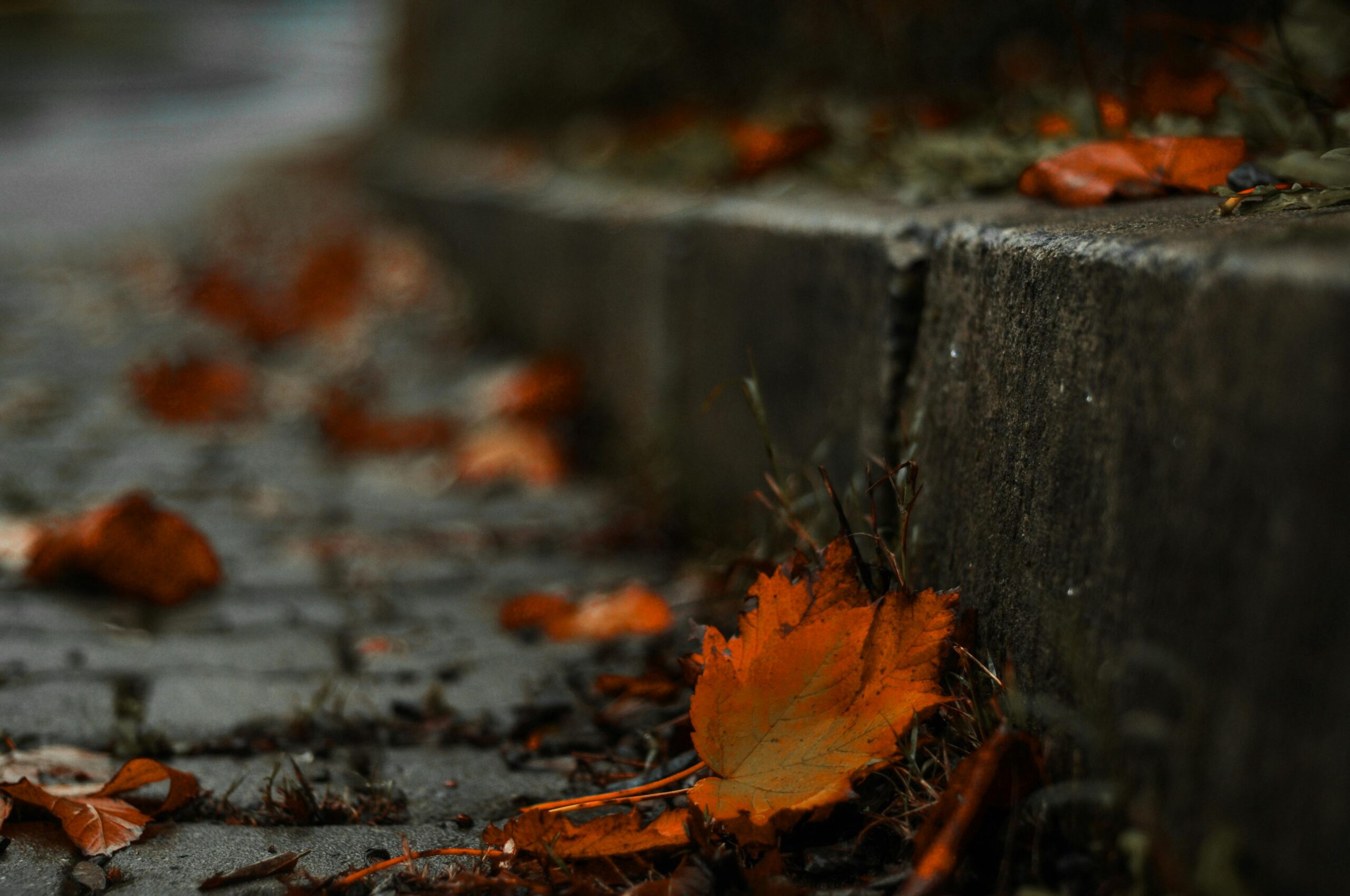
The brown phase represents rest, preparation, and the architectural beauty of plant structure unadorned by leaves. Seed heads catch snow and frost, creating magical winter scenes. Bare branches reveal growth patterns and bark textures invisible during leafy seasons. Dried grasses glow golden in low winter light.
By shifting perspective from viewing browns as landscape failure to recognizing them as another color in nature’s palette, you’ll design more resilient, interesting, and truly sustainable landscapes. Your adjustment calendar becomes a tool not for controlling nature but for collaborating with it, creating outdoor spaces that honor seasonal rhythms while maximizing beauty throughout the year.
Start your personal greens-to-browns adjustment calendar today by observing your current landscape and noting its present state. Commit to regular documentation through the coming seasons. Within a year, you’ll have the foundation for a customized plan that transforms your property into a dynamic, four-season masterpiece that celebrates every transition from vibrant greens through rich browns and back again. 🍃