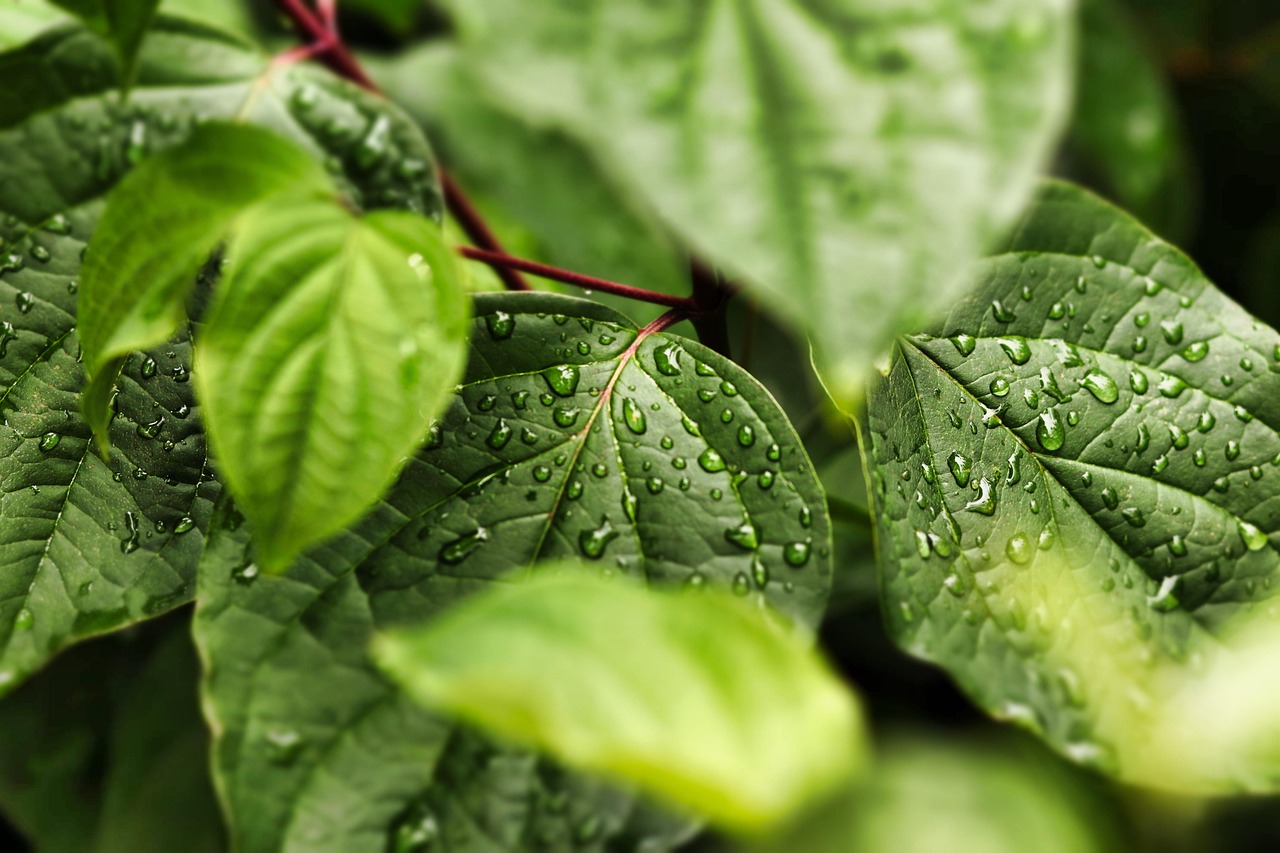
Composting transforms kitchen scraps and yard waste into nutrient-rich soil amendment, reducing landfill waste while nourishing your garden naturally. Mastering this sustainable practice requires understanding seasonal patterns and timing.

Whether you’re an experienced gardener or just beginning your sustainability journey, learning when and how to manage your compost pile throughout the year makes all the difference. Temperature fluctuations, moisture levels, and microbial activity all vary with the seasons, affecting decomposition rates and final compost quality.
🌱 Understanding the Fundamentals of Composting Science
Composting is essentially controlled decomposition where microorganisms break down organic matter into humus. This biological process requires four essential elements: carbon-rich materials (browns), nitrogen-rich materials (greens), oxygen, and moisture. The balance between these components determines how quickly and efficiently your compost develops.
Microorganisms work most effectively when temperatures reach between 135°F and 160°F in the compost pile’s core. This heat kills weed seeds and pathogens while accelerating decomposition. Understanding these temperature dynamics helps you adjust your composting strategy seasonally.
Spring Composting: Awakening Your Pile 🌼
Spring marks the perfect time to revitalize your composting efforts. As temperatures rise, dormant microorganisms become active again, and you’ll have abundant green materials from spring cleaning and early garden maintenance.
Early Spring Preparation
Begin by turning your winter compost pile thoroughly. This aerates the material and redistributes moisture, jumpstarting microbial activity. Remove any finished compost from the bottom layers to make room for new materials.
Early spring grass clippings provide excellent nitrogen sources, though they should be mixed with carbon materials to prevent matting. The ideal carbon-to-nitrogen ratio is approximately 30:1, which creates optimal conditions for decomposition.
Managing Spring Moisture
Spring rains can oversaturate compost piles, creating anaerobic conditions that produce unpleasant odors. Monitor moisture levels carefully—your compost should feel like a wrung-out sponge. If too wet, add dry leaves, shredded newspaper, or cardboard to absorb excess moisture.
Turn your pile every 7-10 days during spring to maintain aeration and distribute moisture evenly. This frequent turning accelerates decomposition, potentially producing finished compost in just 6-8 weeks.
Summer Strategies: Hot Weather Composting ☀️
Summer presents unique challenges and opportunities for composting. High temperatures accelerate decomposition but can also dry out piles quickly or create excessively hot conditions that kill beneficial organisms.
Temperature Management in Peak Heat
During summer, compost piles can become too hot, reaching temperatures above 170°F. While heat kills pathogens, excessive temperatures destroy beneficial microorganisms. Turn your pile when internal temperatures exceed 160°F to release heat and cool the core.
Position your compost bin in partial shade during summer months to prevent excessive drying. If your pile is exposed to full sun, consider covering it with a tarp or shade cloth while ensuring adequate airflow.
Maintaining Summer Moisture Levels
Summer composting requires vigilant moisture monitoring. Dry piles stop decomposing as microorganisms become dormant. Water your compost pile weekly during dry periods, ensuring moisture penetrates to the center.
- Add water while turning the pile for even distribution
- Layer wet materials (fresh grass clippings) with dry materials (straw, leaves)
- Use a compost moisture meter for accurate readings
- Cover the pile with a breathable tarp to retain moisture
- Avoid overwatering, which creates anaerobic conditions
Summer Materials and Additions
Summer gardens produce abundant green materials: vegetable trimmings, spent flowers, and frequent grass clippings. Balance these nitrogen-rich materials with carbon sources like shredded cardboard, dried leaves saved from fall, or straw.
Coffee grounds from iced coffee consumption and fruit scraps from summer produce provide excellent nitrogen sources. Melon rinds, corn husks, and tomato plants (disease-free) decompose readily in summer’s heat.
Fall Composting: Preparing for the Productive Season 🍂
Autumn is arguably the most productive composting season. Falling leaves provide abundant carbon-rich materials, while gardens produce end-of-season plant waste. Cooler temperatures make pile management easier.
Maximizing Leaf Composting
Fallen leaves are composting gold, but whole leaves decompose slowly. Shred leaves with a lawn mower or leaf shredder before adding them to your pile. Shredded leaves break down in months rather than years.
Create the perfect fall compost mix by layering shredded leaves with green materials at a 3:1 ratio. This balanced approach produces rich compost by spring. Alternatively, create dedicated leaf mold piles that decompose into excellent soil conditioner over 12-18 months.
Building Hot Piles Before Winter
Late fall is ideal for constructing large, hot compost piles that will continue decomposing through early winter. Build piles at least 3x3x3 feet—this critical mass generates and retains heat effectively.
Layer materials in lasagna-style: 6 inches of carbon-rich browns, 2-3 inches of nitrogen-rich greens, thin soil layer, then repeat. Water each layer as you build. A properly constructed fall pile can maintain internal temperatures above 100°F well into winter.
Fall Garden Cleanup Composting
End-of-season garden cleanup provides massive composting opportunities. Add healthy plant materials freely, but exercise caution with diseased plants. Tomato blight, powdery mildew, and other pathogens may survive if your pile doesn’t reach sufficient temperatures.
Compost disease-free materials immediately, but burn or dispose of infected plants separately. Perennial weed roots and seed heads should also be excluded unless you maintain hot composting temperatures consistently.
Winter Composting: Maintaining Momentum in Cold Weather ❄️
Many composters mistakenly believe composting stops in winter. While decomposition slows, it doesn’t cease entirely. With proper techniques, you can continue composting through cold months and prepare for spring’s explosive growth.
Cold Weather Composting Techniques
Insulate your compost pile with a thick layer of straw, leaves, or wood chips to retain heat. The pile’s center often remains active even when exterior temperatures drop below freezing. Continue adding kitchen scraps, burying them in the pile’s center where temperatures stay warmest.
Reduce turning frequency during winter, as this releases valuable heat. Turn only when adding substantial new materials or if the pile develops odors.
Indoor Composting Alternatives
Winter is perfect for exploring indoor composting methods. Vermicomposting uses red wiggler worms in bins to process kitchen scraps year-round. These systems operate efficiently at room temperature, producing high-quality worm castings.
Bokashi composting offers another indoor option, fermenting food waste (including meat and dairy) in airtight buckets. This anaerobic process works regardless of outside temperatures and produces compostable material in just two weeks.
⏰ Optimal Turning Schedules Throughout the Year
Turning frequency dramatically impacts composting speed and quality. Aerating your pile introduces oxygen that fuels aerobic decomposition, but excessive turning wastes energy and releases heat.
| Season | Turning Frequency | Notes |
|---|---|---|
| Spring | Every 7-10 days | Frequent turning capitalizes on optimal temperatures |
| Summer | Every 5-7 days | Turn more often to manage heat and moisture |
| Fall | Every 10-14 days | Moderate turning maintains activity as temperatures cool |
| Winter | Every 3-4 weeks | Minimal turning preserves internal heat |
Recognizing When Your Compost Is Ready 🎯
Finished compost resembles dark, crumbly soil with an earthy smell. Original materials should be unrecognizable except for occasional woody bits. The timing from raw materials to finished compost varies seasonally.
Spring and summer piles with regular turning can produce finished compost in 6-12 weeks. Fall piles typically finish by spring. Winter-started piles may require 4-6 months, completing in late spring or early summer.
Testing Compost Maturity
Perform a simple germination test to ensure your compost is fully mature. Place compost in a container, plant fast-germinating seeds like radishes or lettuce, and observe growth. Healthy germination and growth indicate mature compost.
Immature compost may inhibit plant growth due to ongoing decomposition that ties up nitrogen. When in doubt, let compost cure an additional month before garden application.
Troubleshooting Common Seasonal Composting Issues 🔧
Spring Problems and Solutions
Excessive moisture from spring rains creates soggy, smelly piles. Add absorbent brown materials and turn frequently. Create drainage by placing branches at the pile’s base or relocating to better-drained areas.
Summer Challenges
Dry, slow-decomposing piles indicate insufficient moisture. Water deeply and add fresh green materials. Fruit flies become problematic in summer—bury food scraps under 6-8 inches of carbon materials and avoid adding meat or oily foods.
Fall and Winter Concerns
Slow decomposition is normal in cooler months. Focus on building properly sized piles and protecting them from excessive moisture. Frozen pile exteriors are normal—the core often remains active.
Advanced Seasonal Composting Techniques 🌟
Three-Bin Seasonal Rotation System
Advanced composters benefit from three-bin systems that allow continuous production. Fill the first bin in spring, the second in summer/fall, and the third in late fall/winter. This rotation ensures ready compost when you need it most.
Bin one provides finished compost for spring planting. Bin two finishes for fall garden amendments. Bin three processes winter materials for next year. This system maximizes efficiency and ensures consistent compost availability.
Season-Specific Material Stockpiling
Smart composters stockpile materials for year-round balance. Collect and store fall leaves in breathable bags for adding to summer’s nitrogen-rich grass clippings. Save autumn garden stalks for winter carbon sources.
Stockpiling creates material flexibility, allowing optimal ratios regardless of seasonal availability. Store carbon materials in dry locations and use them strategically to balance fresh green additions.
Maximizing Your Compost’s Garden Impact Seasonally 🌻
Timing compost application to seasonal garden needs maximizes its benefits. Apply finished compost in early spring before planting to improve soil structure and provide slow-release nutrients throughout the growing season.
Fall compost applications benefit perennials, trees, and shrubs preparing for dormancy. Top-dress garden beds in autumn, allowing winter weather to integrate compost into soil naturally. This timing provides nutrients as plants resume growth in spring.
Creating Season-Specific Compost Blends
Customize compost for specific applications by adjusting seasonal inputs. Spring compost rich in grass clippings provides higher nitrogen for leafy vegetables. Fall leaf-dominant compost offers excellent structure for root vegetables and improving heavy soils.
Understanding these nuances allows you to create targeted composts that address specific garden needs, maximizing your harvests and soil health.
Building Sustainable Composting Habits Year-Round ♻️
Successful composting requires developing consistent habits regardless of season. Designate a kitchen container for daily scraps, emptying it into your compost system regularly. This routine prevents overwhelming pile additions and maintains balanced decomposition.
Schedule quarterly compost assessments to evaluate moisture, temperature, and decomposition progress. Adjust your approach based on seasonal conditions and observed results. Keep simple records noting what you added, when you turned the pile, and weather conditions.
These records become invaluable references, helping you refine techniques and predict when compost will be ready for garden use. Over time, you’ll develop intuition about your compost’s needs in different seasons.
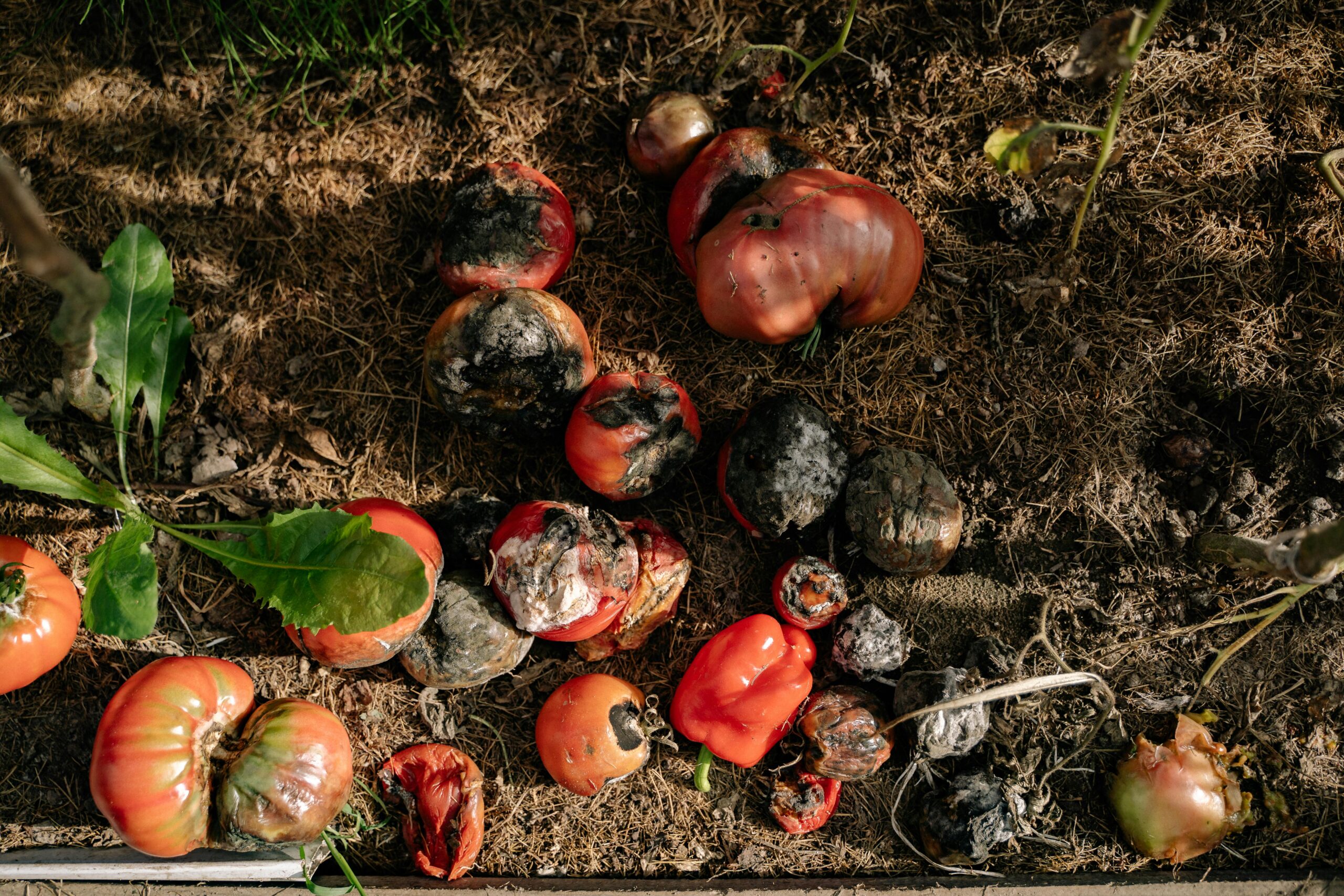
Embracing the Full Cycle: From Waste to Wealth
Mastering seasonal composting transforms your relationship with waste and gardening. Each season offers unique opportunities and materials, creating a perpetual cycle of renewal. Spring’s vigorous decomposition, summer’s abundant materials, fall’s perfect conditions, and winter’s planning phase all contribute to successful composting.
By understanding and working with seasonal rhythms rather than against them, you’ll produce consistent, high-quality compost that enriches your soil and reduces environmental impact. The journey from kitchen scraps to garden gold becomes not just sustainable practice, but a deeply satisfying connection to natural cycles that sustain all life.
Start where you are, with whatever season greets you today. Each contribution to your compost pile represents a step toward healthier soil, more productive gardens, and a more sustainable lifestyle. The perfect time to begin mastering composting is always right now.