Gardening success isn’t just about spring planting and summer watering. A truly thriving garden requires year-round attention to two critical factors: pest management and soil health through composting.

Whether you’re a seasoned gardener or just starting your green journey, understanding the seasonal rhythms of pests and composting can transform your garden from surviving to thriving. This comprehensive guide will walk you through each season’s unique challenges and opportunities, giving you the knowledge to maintain a vibrant, productive garden all year long.
🌱 Why Seasonal Monitoring Matters for Garden Success
Gardens operate on natural cycles that align with seasonal changes. Pests emerge, reproduce, and hibernate according to temperature and daylight patterns, while composting processes speed up or slow down based on weather conditions. By aligning your monitoring and maintenance activities with these natural rhythms, you work with nature rather than against it.
Proactive seasonal monitoring helps you catch problems before they become infestations. A single aphid spotted in early spring might seem insignificant, but left unchecked, it could become thousands by midsummer. Similarly, understanding when to turn your compost pile or adjust its moisture content ensures you have rich soil amendments ready exactly when your plants need them most.
🌸 Spring: The Season of Awakening and Prevention
Early Spring Pest Monitoring (March-April)
As temperatures rise above 50°F (10°C), dormant pests begin emerging. This is your critical window for prevention. Inspect overwintering sites like mulch, garden debris, and the undersides of leaves on evergreen plants. Look for egg masses of squash bugs, aphid colonies on new growth, and emerging slugs after rain.
Implement yellow sticky traps near susceptible plants to monitor flying insect populations. Check these traps weekly and record what you find. This data helps you identify patterns and predict peak activity periods for different pests in your specific microclimate.
Spring Composting Activities
Spring is prime time to turn and assess your winter compost pile. The pile should be heating up as microbial activity increases with warmer temperatures. If your compost is too dry, add green materials like grass clippings and kitchen scraps. If it’s too wet and smelly, incorporate dry leaves or shredded paper.
Start a new compost bin specifically for spring garden cleanup materials. Dead plant material, prunings, and early weeds (before they set seed) provide excellent carbon-rich “brown” material. Layer these with nitrogen-rich “greens” like vegetable scraps in a 3:1 ratio for optimal decomposition.
Spring Garden Tasks Checklist
- Remove and compost winter mulch that may harbor overwintering pests
- Apply compost tea to emerging perennials for nutrient boost
- Install row covers on brassicas to prevent flea beetle damage
- Set up beer traps for slugs in damp garden areas
- Introduce beneficial insects like ladybugs if aphid populations appear
- Screen compost to separate finished material from larger pieces
☀️ Summer: Peak Activity and Vigilant Management
Summer Pest Pressure (June-August)
Summer brings peak pest populations. Japanese beetles, tomato hornworms, cucumber beetles, and squash vine borers all reach maximum activity during hot months. Inspect plants every 2-3 days, focusing on the undersides of leaves where many pests hide and lay eggs.
Early morning inspections are most effective when pests are less active. Hand-pick larger insects like hornworms and beetles into soapy water. For smaller pests like spider mites and whiteflies, use a strong spray of water to dislodge them from plants.
Monitor for disease symptoms that often accompany pest damage. Chewing insects create entry points for bacterial and fungal infections. Yellowing leaves, spots, or wilting may indicate secondary problems requiring different interventions.
Summer Composting Challenges
Hot, dry summer conditions can slow composting if moisture levels drop. Your pile should feel like a wrung-out sponge. Water deeply once or twice weekly during dry spells, but avoid creating anaerobic conditions that cause odors.
Summer produces abundant green materials like grass clippings and vegetable scraps. Balance these nitrogen-rich materials with carbon sources to prevent a slimy, smelly pile. Collect dry leaves in bags during fall specifically for summer composting needs.
Mid-Summer Garden Maintenance
- Apply finished compost as mulch around plants to retain moisture and suppress weeds
- Set up pheromone traps for specific pests like codling moths
- Harvest vegetables promptly to reduce pest attraction
- Remove diseased plant material immediately and dispose of it (not in compost)
- Turn compost weekly during peak decomposition periods
- Create compost tea for liquid fertilizer application
🍂 Fall: Preparation and Protection
Fall Pest Population Dynamics (September-November)
As temperatures cool, many pests seek overwintering sites. This is your opportunity to reduce next year’s populations. Remove garden debris, spent annuals, and fallen fruit that provides habitat. Many pest larvae pupate in soil; light tilling exposes them to predators and cold temperatures.
Continue monitoring for late-season pests like cabbage worms on fall brassicas and squash bugs on pumpkins. These pests often cause significant damage to fall crops when gardeners reduce vigilance after summer.
Fall Composting Opportunities
Fall is the golden season for composting. Abundant leaves provide excellent carbon material that balances summer’s nitrogen-rich additions. Shred leaves with a mower before adding to compost bins for faster decomposition.
Build a large leaf mold pile separate from your regular compost. Leaves alone decompose into rich humus over 12-18 months, creating exceptional soil amendment. Moisten the pile and let time do the work.
Season-End Garden Tasks
- Apply 2-3 inches of finished compost to garden beds before winter
- Plant cover crops to prevent erosion and add organic matter
- Clean and store pest monitoring tools and traps
- Document pest problems and successful interventions for next year
- Insulate compost piles with leaves to extend active decomposition
- Remove and destroy pest-infected plant material
❄️ Winter: Planning and Passive Processes
Winter Pest Management (December-February)
While most pests are dormant, winter isn’t completely inactive. Inspect stored bulbs and tubers monthly for signs of damage. Check fruit trees for egg masses and overwintering scales. Prune diseased or damaged branches during dormancy when infection risk is lowest.
Use this quiet period to research pest identification and organic control methods. Review your seasonal notes to identify patterns and problem areas. Plan crop rotations and companion planting strategies that naturally discourage specific pests.
Winter Composting Strategies
Cold temperatures slow but don’t stop composting. Your pile may freeze on the exterior but often maintains warmth in the center. Continue adding kitchen scraps through winter, layering with leaves or shredded paper stored specifically for this purpose.
Consider starting vermicomposting indoors for winter kitchen waste. Worm bins operate efficiently at room temperature and produce exceptional compost for spring seed starting.
Winter Garden Preparation
- Order beneficial insect releases for early spring delivery
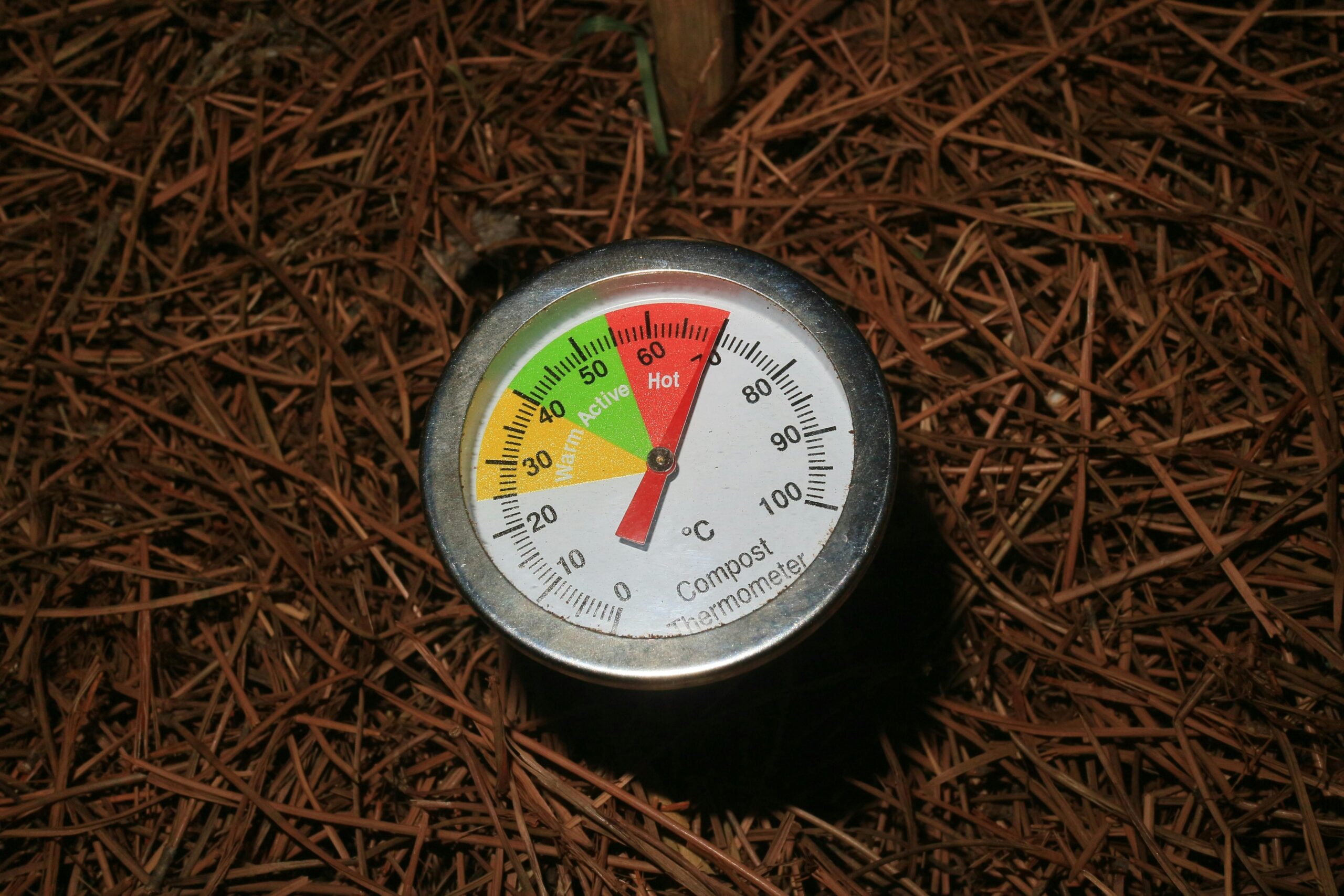
- Sharpen and maintain garden tools including compost thermometers
- Start seeds indoors using previous year’s finished compost
- Build or repair compost bins for the coming season
- Test garden soil to determine spring amendment needs
- Create a detailed planting calendar based on pest cycles
🔄 Creating Your Personalized Monitoring Calendar
Every garden has unique conditions influenced by local climate, plant selection, and surrounding landscape. Create a customized calendar that reflects your specific situation. Record when pests first appear, peak populations occur, and when they disappear.
Track composting milestones like when your pile reaches optimal temperature, when turning is most effective, and when finished compost becomes available. This information becomes invaluable year after year, helping you anticipate needs and time interventions perfectly.
Digital Tools for Garden Tracking
Modern gardeners benefit from apps that send reminders and track observations. Garden planning applications can alert you when to check for specific pests or turn your compost based on your local climate zone and historical data.
🌿 Integrating Pest Monitoring with Composting Cycles
These two garden practices interconnect more than many realize. Healthy, compost-enriched soil produces vigorous plants with natural pest resistance. Strong plants tolerate pest pressure that would devastate struggling specimens.
Compost application timing should align with pest vulnerability periods. Apply compost when plants need extra vigor to outgrow pest damage or before anticipated pest pressure. Spring compost application helps plants establish before summer pests peak. Fall application prepares soil for strong spring emergence.
Building Pest-Resistant Soil
Regular compost additions improve soil structure, water retention, and beneficial microbe populations. These factors create conditions where plants thrive and pests struggle. Diverse soil biology includes organisms that prey on pest eggs and larvae, creating natural pest suppression.
Compost tea applied as foliar spray can provide some pest deterrent effects while feeding plants through their leaves. The beneficial microbes in quality compost tea compete with disease organisms and may confuse or repel some insect pests.
🎯 Troubleshooting Common Seasonal Challenges
When Pest Populations Explode
Despite careful monitoring, sometimes pest populations surge. This often happens when weather conditions favor pests over predators. Cool, wet springs delay beneficial insects but may accelerate slug populations. Hot, dry conditions stress plants while some pests thrive.
When populations explode, escalate interventions systematically. Start with physical removal and barriers, progress to organic sprays like neem or insecticidal soap, and consider biological controls like Bacillus thuringiensis for caterpillars. Always follow product instructions and respect pre-harvest intervals.
Composting Problems and Solutions
Slow decomposition usually indicates incorrect moisture levels or carbon-nitrogen imbalance. Add moisture and green materials to dry, slow piles. Add browns and turn more frequently if piles are wet and smelly. Foul odors indicate anaerobic conditions requiring immediate aeration.
Pests in compost bins, particularly rodents, suggest you’re adding meat, dairy, or oils. Stick to plant materials and properly bury fresh additions under existing compost. Use enclosed bins with small mesh openings in areas with persistent rodent problems.
🌍 Adapting This Calendar to Your Climate Zone
This calendar provides general timing based on temperate climates with four distinct seasons. If you garden in tropical, subtropical, or arid regions, adjust timing based on your wet and dry seasons rather than temperature-based seasons.
In tropical areas, pest pressure remains constant year-round, requiring continuous monitoring. Composting proceeds rapidly, potentially producing finished compost in 4-6 weeks during hot, humid periods. In cold climates, compress active monitoring into shorter growing seasons while extending composting timelines.
Contact your local extension office for region-specific pest emergence calendars and composting recommendations. These resources provide data on exactly when pests appear in your area and which varieties cause most damage.
🏆 Measuring Your Garden’s Improved Health
Track improvements over seasons to stay motivated and refine your approach. Photograph the same garden areas at similar times each year. Reduced pest damage, increased yields, and improved soil structure demonstrate your seasonal management success.
Keep simple records of pest sightings, intervention timing, and effectiveness. Note when you apply compost and subsequent plant responses. This data reveals which practices work best in your specific conditions, allowing continuous improvement.
Celebrate milestones like your first compost harvest, successfully managing a pest outbreak without chemicals, or establishing beneficial insect populations. These victories accumulate into a truly sustainable, thriving garden ecosystem.
🌟 Moving Forward with Confidence
Mastering year-round pest monitoring and composting transforms gardening from reactive crisis management to proactive stewardship. You’ll spend less time battling overwhelming problems and more time enjoying your garden’s productivity and beauty.
Start simple by adding just one or two seasonal monitoring tasks this year. Perhaps check for aphids weekly in spring and turn your compost monthly. Gradually expand your seasonal routine as these practices become habitual. Within a few seasons, you’ll have developed an intuitive understanding of your garden’s rhythms and needs.
Your garden is a living system that responds to consistent, knowledgeable care. By aligning your efforts with natural seasonal cycles, you work as a partner with nature rather than constantly fighting against it. This approach creates gardens that require less intervention over time while producing more abundant, healthier harvests. The investment in seasonal monitoring and composting pays dividends in reduced pest damage, lower input costs, and the deep satisfaction of growing food and flowers in harmony with the natural world.