Composting is one of the most rewarding sustainable practices, but dealing with unpleasant odors can quickly turn enthusiasm into frustration.

If your compost bin smells like rotten eggs, ammonia, or something worse, don’t worry—you’re not alone, and the problem is completely fixable. Understanding why compost develops bad smells and learning simple maintenance techniques will transform your composting experience from nose-wrinkling to satisfying. Let’s dive into the science behind compost odors and discover practical solutions that keep your pile fresh, productive, and neighbor-friendly.
🌱 Why Does Compost Smell Bad in the First Place?
Before tackling solutions, it’s essential to understand what causes those offensive odors. A healthy compost pile should smell earthy and pleasant, similar to forest floor soil after rain. When things go wrong, the smell tells you exactly what’s happening inside your bin.
Bad compost odors typically result from anaerobic decomposition—when organic matter breaks down without sufficient oxygen. Instead of beneficial aerobic bacteria doing their job efficiently, anaerobic bacteria take over, producing hydrogen sulfide (that rotten egg smell), ammonia, and other pungent compounds.
Several factors create these anaerobic conditions: excessive moisture turning your compost into a soggy mess, too much nitrogen-rich material without enough carbon to balance it, compacted layers preventing air circulation, or simply neglecting to turn the pile regularly. Each of these issues has straightforward solutions that restore the natural balance.
The Golden Ratio: Balancing Browns and Greens 🍂
The foundation of odor-free composting lies in maintaining the proper carbon-to-nitrogen ratio. Carbon-rich materials (browns) and nitrogen-rich materials (greens) need to work together in harmony for optimal decomposition.
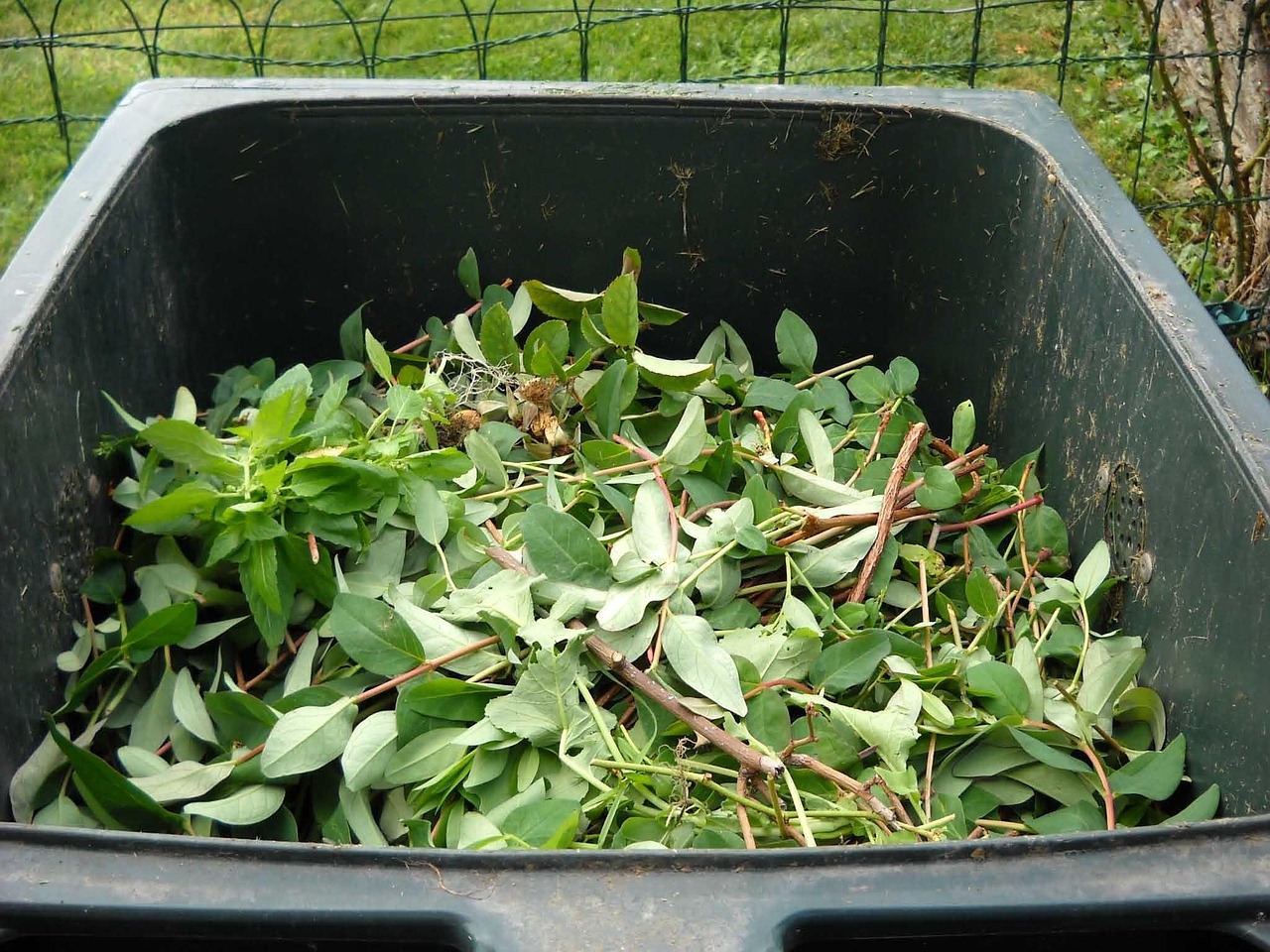
Green materials include fresh grass clippings, kitchen vegetable scraps, coffee grounds, and fresh plant trimmings. These provide nitrogen that fuels microbial activity. Brown materials include dried leaves, shredded newspaper, cardboard, wood chips, and straw, providing carbon that creates structure and absorbs excess moisture.
The ideal ratio is approximately 30 parts carbon to 1 part nitrogen by weight, though in practical terms, aim for roughly 3-4 parts browns to 1 part greens by volume. When you have too many greens without enough browns, excess nitrogen converts to ammonia, creating that sharp, unpleasant smell. Too many browns slow decomposition but won’t typically cause odor problems.
Quick Fix for Nitrogen Overload
If your compost smells strongly of ammonia, immediately add substantial amounts of dry brown materials. Shredded cardboard, dried leaves, or wood shavings work wonderfully. Mix them thoroughly into the existing pile, and you’ll notice improvement within 24-48 hours as the carbon absorbs excess moisture and balances the nitrogen.
💧 Moisture Management: Finding the Sweet Spot
Water content dramatically affects compost smell. Your pile should feel like a wrung-out sponge—moist but not dripping. Too much water drives out oxygen, creating perfect conditions for anaerobic bacteria and terrible odors.
Excessive moisture often results from adding too many wet kitchen scraps, heavy rain on uncovered bins, or poor drainage. A waterlogged pile not only smells bad but also takes much longer to break down into usable compost.
The squeeze test provides a simple moisture check: grab a handful of compost and squeeze firmly. If water drips out, it’s too wet. If it won’t hold together and feels dusty, it’s too dry. Perfect moisture yields a cohesive handful that barely releases a drop or two.
Drying Out a Soggy Pile
For overly wet compost, add generous amounts of dry brown materials like shredded newspaper, straw, or sawdust. These absorb excess moisture while improving aeration. Turn the pile frequently to introduce air and allow moisture to evaporate. If your bin lacks drainage holes, consider drilling several at the bottom to prevent water accumulation.
During rainy seasons, covering your compost with a tarp or lid helps prevent waterlogging while still allowing some air circulation. Just remember to remove the cover periodically for turning and monitoring.
🌀 The Power of Turning: Oxygen Is Everything
Regular turning might be the single most important practice for preventing compost odors. This simple action introduces oxygen throughout the pile, supporting aerobic bacteria that decompose materials efficiently without creating foul smells.
Aim to turn your compost every 1-2 weeks, though hot, active piles benefit from weekly turning. Use a pitchfork or specialized compost aerator to move material from the outside to the center and vice versa. This redistributes moisture, breaks up compacted areas, and ensures all materials decompose evenly.
If turning an entire pile seems overwhelming, even poking holes throughout with a stick or aerating tool helps. The goal is disrupting compacted zones where anaerobic conditions develop.
Signs Your Compost Needs Immediate Turning
Beyond routine schedules, certain signals demand immediate attention. Strong odors are the obvious indicator, but also watch for slimy textures, excessive heat (above 160°F/71°C), or visible moisture pooling. These all suggest anaerobic zones that need oxygen introduction urgently.
🚫 What Never Belongs in Your Compost Bin
Some materials create persistent odor problems regardless of how well you maintain your pile. Knowing what to exclude prevents many smell issues before they start.
Meat, fish, bones, and dairy products decompose slowly, attract pests, and generate powerful odors as they rot. Oils, fats, and greasy foods create water-resistant layers that promote anaerobic conditions. Pet waste from carnivorous animals (dogs, cats) can contain pathogens and smells terrible during decomposition.
Diseased plants might spread problems throughout your compost and garden. Weeds with seeds often survive composting and cause headaches later. Treated wood products, glossy paper, and synthetic materials won’t break down properly and may introduce toxins.
Borderline Materials That Need Caution
Some items can work in compost but require special handling. Onions, garlic, and citrus peels in large quantities can slow decomposition and create strong smells—use them sparingly. Bread and cooked rice attract pests but compost fine when buried deeply in the pile’s center. Eggshells add valuable calcium but break down slowly; crushing them speeds the process.
🌿 Natural Odor Absorbers and Compost Boosters
Several natural amendments help neutralize existing odors while improving overall compost quality. These work alongside proper maintenance practices, not as replacements for them.
Garden soil or finished compost added to smelly piles introduces beneficial microorganisms that outcompete odor-causing bacteria. Just a few shovelfuls spread throughout the pile can make a noticeable difference within days.
Wood ash from untreated wood provides alkalinity that neutralizes acidic odors, but use sparingly—too much raises pH excessively. Sprinkle a thin layer (about 1/4 inch) over smelly sections, then mix in lightly.
Crushed charcoal or biochar absorbs odor molecules while providing habitat for beneficial microbes. Agricultural lime neutralizes acidity and reduces ammonia smells, though again, moderation is key to avoid pH imbalances.
Fresh Herbs and Natural Deodorizers 🌸
Layering fresh herbs like mint, lavender, or rosemary between compost additions masks temporary odors while adding aromatic oils with antimicrobial properties. This provides immediate relief while addressing underlying issues.
Coffee grounds deserve special mention—they’re excellent compost additions that also neutralize odors effectively. Their nitrogen content benefits decomposition, and their texture improves aeration. Plus, they’re usually free and abundant from coffee shops.
📦 Choosing the Right Compost System for Odor Control
Your composting method significantly impacts odor management. Different systems suit different situations, and choosing wisely prevents problems from the start.
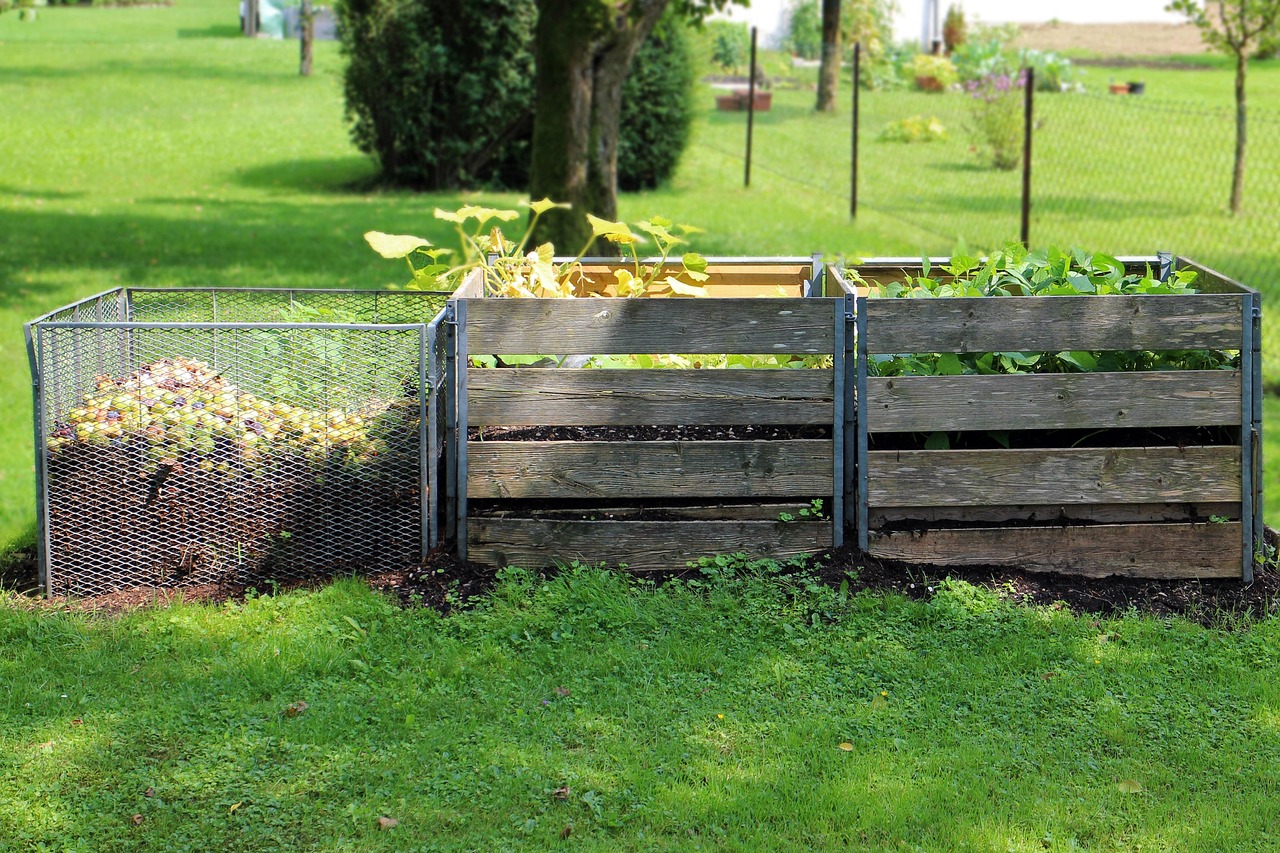
Open pile systems work great for large yards where appearance and occasional smells aren’t concerns. They offer excellent aeration but require more space and maintenance. Enclosed bins contain odors better and look neater but need attention to ventilation—many commercial bins include adjustable vents for this purpose.
Tumbler composters excel at odor control because regular rotation is built into their design. Simply spin the drum every few days to ensure constant aeration. They’re perfect for small spaces and people who want convenience, though they typically have smaller capacities than other systems.
Vermicomposting (worm composting) produces virtually no odor when managed correctly and works wonderfully indoors. The worms process food scraps efficiently, and the system self-regulates regarding moisture and aeration. However, it requires specific conditions and has limitations on what materials work.
Location Matters More Than You Think
Place your compost system thoughtfully. Partial shade prevents excessive drying in summer while avoiding complete shade that keeps piles too wet and cold. Good drainage is non-negotiable—never place bins in low spots where water collects. Consider wind direction relative to your house and neighbors’ properties, positioning bins where breezes carry any temporary odors away from living spaces.
🔧 Troubleshooting Specific Smell Problems
Different odors signal different imbalances, and targeted solutions work faster than general fixes. Let’s address the most common smell complaints with specific remedies.
Rotten egg smell (hydrogen sulfide): This indicates severe anaerobic conditions, usually from waterlogging. Immediately stop adding materials, mix in large amounts of dry browns, turn thoroughly, and improve drainage. Consider temporarily removing some material to dry separately if the pile is extremely wet.
Ammonia smell: Too much nitrogen needs carbon balance. Add browns at a 4:1 ratio to existing material, turn well, and check moisture levels. This problem often accompanies too many fresh grass clippings or kitchen scraps without adequate dry materials.
Sour or vinegar smell: This suggests acidic conditions from excess fruit scraps or inadequate oxygen. Turn the pile thoroughly, add garden soil or finished compost to introduce beneficial microbes, and sprinkle a light dusting of agricultural lime if pH testing confirms high acidity.
General musty or moldy smell: Usually harmless but indicates areas staying too wet. Improve aeration through turning, add browns to absorb moisture, and ensure adequate drainage. Check that materials aren’t compacting into solid masses blocking air flow.
⏰ Seasonal Considerations for Odor-Free Composting
Compost behavior changes with seasons, and adjusting your approach prevents smell problems year-round.
Summer’s heat accelerates decomposition but also dries piles quickly and intensifies odors. Monitor moisture more frequently, water if needed, and turn regularly to prevent hot spots above 160°F that kill beneficial organisms. Covering kitchen scraps immediately with browns prevents fruit flies and reduces smell in warm weather.
Winter slows or stops decomposition in cold climates, but you can continue adding materials. Smaller, chopped pieces break down faster once temperatures rise. Insulating bins with straw bales or leaves maintains some activity in mild winters. Odors are rarely problems in cold weather, but spring thaws of overly wet winter piles can smell terrible—prevent this by adding extra browns throughout winter.
Fall brings abundant leaves—stockpile these precious browns for year-round use. Shred them before storing in bags or bins; whole leaves mat together and decompose slowly. Spring’s plant growth provides fresh greens; balance enthusiastic additions with stored browns to prevent nitrogen overload.
🎯 Creating a Maintenance Schedule That Works
Consistency prevents most compost problems, including odors. Establish a simple routine that becomes second nature.
Weekly tasks include checking moisture levels, adding new materials with appropriate browns, and turning or aerating the pile. This takes 15-20 minutes and catches problems early. Monthly, assess the overall carbon-nitrogen balance, check for pests, inspect bin condition, and harvest any finished compost from the bottom.
Seasonally, deep-clean empty bins, restock brown material supplies, adjust your system for upcoming weather, and evaluate what’s working or needs improvement. This annual reflection helps you continually refine your approach.
🌟 The Reward: Beautiful, Earthy Compost
When you implement these practices consistently, your compost transforms into a gardener’s dream—dark, crumbly, and smelling wonderfully earthy. This “black gold” enriches soil, reduces waste, and connects you to natural cycles in deeply satisfying ways.
Finished compost smells pleasant because aerobic decomposition has completed its work. Beneficial bacteria, fungi, and other organisms have broken down organic matter into stable humus that plants adore. The earthy aroma comes from compounds called geosmin and petrichor—the same chemicals that create that fresh smell after rain.
You’ll know compost is ready when you can’t identify original materials (except perhaps wood chips or nut shells), it’s uniformly dark and crumbly, it smells like rich forest soil, and it’s cool to the touch rather than warm from active decomposition. This typically takes 2-6 months with hot composting or 6-12 months with passive methods.

✨ Prevention: The Ultimate Odor Strategy
The best approach to compost odors is preventing them entirely through good habits from day one. Every time you add materials to your bin, follow this simple sequence that takes just moments but prevents hours of troubleshooting later.
First, chop or shred materials into smaller pieces—this accelerates decomposition and prevents matting. Second, always add browns with your greens rather than dumping kitchen scraps alone. Third, bury food scraps beneath existing material or immediately cover with browns. Fourth, check moisture and adjust as needed. Fifth, give the pile a quick stir or poke with your aerating tool.
This five-step routine takes less than five minutes per addition and virtually guarantees an odor-free, efficient composting experience. Teaching family members or housemates these basics ensures everyone contributes to success rather than creating problems.
Remember that composting is forgiving—even if you make mistakes, the solutions are straightforward and effective. The pile’s natural tendency is toward balance; your role is simply removing obstacles and providing what decomposers need to work efficiently. With attention to moisture, aeration, and the brown-green balance, you’ll enjoy sweet-smelling compost that benefits your garden and the planet.
Start implementing these strategies today, and within just a few weeks, you’ll notice dramatic improvements. Your compost will smell pleasant, decompose faster, and produce higher quality finished material. Neighbors will stop complaining, and you’ll feel proud of your sustainable waste management system. Best of all, you’ll gain confidence in your composting skills, knowing you can troubleshoot any issue that arises and maintain a thriving, odor-free system year-round.