
As our planet faces mounting environmental challenges, the way we handle organic waste has never been more critical. Composting offers a powerful solution to reduce landfill burden while creating nutrient-rich soil amendments that support healthier ecosystems and gardens.

Whether you’re an eco-conscious urbanite or a suburban gardener, choosing between community composting and home composting can significantly impact your sustainability journey. Both approaches transform kitchen scraps and yard waste into valuable resources, yet they differ dramatically in implementation, convenience, and environmental footprint. Understanding these differences empowers you to make informed decisions that align with your lifestyle, living situation, and environmental goals.
🌱 Understanding the Composting Revolution
Composting has evolved from a niche gardening practice into a mainstream environmental movement. As municipalities struggle with overflowing landfills and citizens become more aware of their carbon footprints, organic waste management has emerged as a critical piece of the sustainability puzzle.
Organic materials constitute approximately 30-40% of the waste stream in most developed countries. When this material decomposes in landfills without oxygen, it produces methane—a greenhouse gas 25 times more potent than carbon dioxide. Composting these materials instead creates a closed-loop system that returns nutrients to the soil while significantly reducing greenhouse gas emissions.
The composting landscape now offers multiple pathways for participation, with home composting and community composting programs representing the two most accessible options for everyday citizens committed to waste reduction.
What Makes Home Composting Appealing?
Home composting puts waste management directly in your hands, offering immediate control over the entire process from kitchen scraps to finished compost. This autonomous approach appeals to those who value self-sufficiency and want direct access to the nutrient-rich end product.
The Advantages of Backyard Bins
When you compost at home, you eliminate transportation-related carbon emissions entirely. Your organic waste travels mere feet from kitchen to bin, creating the shortest possible distance between waste generation and recycling. This hyperlocal approach minimizes environmental impact while maximizing convenience.
Home composters enjoy unlimited access to finished compost for their gardens, houseplants, and landscaping projects. This black gold improves soil structure, increases water retention, and provides slow-release nutrients that chemical fertilizers cannot match. The financial savings from reduced fertilizer purchases can offset initial setup costs within a single growing season.
The educational value of home composting proves invaluable, especially for families with children. Watching organic matter transform into soil teaches powerful lessons about decomposition, nutrient cycles, and environmental stewardship that no textbook can replicate.
Challenges and Limitations
Home composting requires physical space that many urban dwellers simply don’t have. Apartment residents, condo owners, and those with small yards may find traditional composting bins impractical or prohibited by housing regulations.
The learning curve can discourage newcomers. Maintaining proper carbon-to-nitrogen ratios, ensuring adequate moisture levels, and managing temperature fluctuations requires knowledge and attention. Common problems like odors, pest attraction, and slow decomposition often result from technique errors that frustrate beginners.
Home systems typically cannot process certain materials that community facilities handle easily. Meat, dairy products, oils, and pet waste generally shouldn’t enter backyard bins due to odor and pest concerns, limiting what you can divert from landfills.
🏘️ The Community Composting Alternative
Community composting programs represent collaborative approaches to organic waste management, where multiple households contribute materials to centralized collection points or facilities. These programs have proliferated rapidly as cities recognize composting’s environmental and economic benefits.
How Community Programs Work
Most community composting operates through one of several models. Curbside collection programs provide dedicated bins for organic waste, collected alongside regular trash and recycling. Drop-off locations allow residents to bring materials to designated sites at farmers markets, community gardens, or municipal facilities. Some neighborhoods organize shared composting systems where volunteers manage bins that serve multiple households.
Industrial-scale community facilities use methods impossible at home, including hot composting that reaches temperatures high enough to break down meat, dairy, and even compostable packaging. These facilities often incorporate sophisticated aeration and monitoring systems that accelerate decomposition and ensure consistent quality.
Benefits of Collective Action
Community composting dramatically increases participation rates by removing barriers that prevent home composting. Residents without yards, time, or inclination to manage bins can still divert organic waste from landfills through simple drop-off or curbside programs.
The scale of community operations creates efficiencies impossible at individual levels. Centralized facilities process organic matter faster and more completely than backyard bins, often producing finished compost in weeks rather than months. Professional management ensures optimal conditions and troubleshoots problems before they impact neighbors.
Many community programs redistribute finished compost to participants, community gardens, urban farms, and municipal landscaping projects, creating circular systems that benefit entire neighborhoods. This shared resource strengthens community bonds while improving local green spaces.
Potential Drawbacks
Community composting introduces transportation into the equation, whether through personal vehicle trips to drop-off sites or municipal collection trucks. While these emissions remain minimal compared to landfill methane production, they do reduce the environmental advantage compared to backyard composting.
Program availability varies dramatically by location. Rural areas and smaller towns may lack organized community composting infrastructure, while even cities with programs may not provide universal access. Participation often depends on proximity to collection points or inclusion in service areas.
Unlike home composting, community programs typically offer limited control over finished compost. Participants may receive allocations periodically rather than having unlimited on-demand access, which frustrates avid gardeners who need larger quantities.
Comparing Environmental Impact: Which Method Wins? 🌍
When evaluating environmental benefits, both approaches significantly outperform sending organic waste to landfills, but they impact different aspects of sustainability.
Home composting achieves near-zero transportation emissions while community programs must account for collection vehicle fuel consumption. However, community facilities’ efficiency and scale often result in faster decomposition and less methane leakage during the process, potentially offsetting transportation impacts.
The ability of community programs to accept wider material ranges means higher overall diversion rates from landfills. A household using curbside composting typically diverts more organic waste than home composters who must exclude problematic materials.
Life cycle analyses suggest that optimal environmental outcomes combine both approaches: home composting for suitable materials from households with space and ability, supplemented by community programs that capture materials from all residents and process items unsuitable for backyard bins.
💰 Cost Considerations and Economic Factors
Financial implications differ substantially between composting methods, affecting both individual participants and communities.
Home Composting Expenses
Initial investments for home composting range from minimal to moderate. Simple pile systems cost nothing, while tumbling composters, enclosed bins, and vermicomposting setups can run from $50 to $400. Ongoing costs remain negligible beyond occasional purchases of brown materials or composting accelerators.
The return on investment materializes through reduced fertilizer and soil amendment purchases. Home gardeners save $50-200 annually on products they previously bought, with payback periods typically under three years for even premium composting systems.
Community Program Economics
Municipal community composting programs often include costs in waste management fees, making them free or low-cost for residents at the point of use. Some programs charge nominal subscription fees ranging from $5-30 monthly, which remains affordable for most households.
From a municipal perspective, composting programs reduce landfill tipping fees and extend facility lifespans, generating long-term savings that often exceed program operational costs. Many cities find that comprehensive composting programs deliver positive returns within 5-10 years.
🏠 Which Option Suits Your Living Situation?
Your ideal composting approach depends heavily on lifestyle factors, living arrangements, and personal preferences.
Urban Apartment Dwellers
Community composting programs represent the most practical solution for apartment residents without outdoor space. Drop-off locations or curbside collection services enable participation without requiring storage space for bins or finished compost.
Indoor vermicomposting offers a limited home composting option for apartments, using worms to process small quantities of food scraps in compact bins. While this handles only a fraction of organic waste, it provides hands-on composting experience in space-constrained environments.
Suburban Homeowners with Yards
Suburban residents with yards can effectively implement home composting systems that handle most household organic waste. Combining backyard bins with community programs for materials unsuitable for home processing creates comprehensive waste diversion.
Larger properties may support multiple composting methods simultaneously: traditional bins for yard waste, enclosed tumblers for kitchen scraps, and participation in community programs for animal products and compostable packaging.
Rural Property Owners
Rural dwellers often have ideal conditions for extensive home composting operations with ample space and fewer neighbor concerns about odors or aesthetics. Without readily available community programs, self-reliant home systems become both practical necessity and environmental contribution.
Large-scale rural composting can process not only household waste but also animal bedding, agricultural residues, and other organic materials, creating substantial compost volumes for property management and potential sale to neighbors.
🔄 Hybrid Approaches: Getting the Best of Both Worlds
Forward-thinking communities and environmentally committed individuals increasingly adopt hybrid strategies that combine home and community composting strengths while minimizing weaknesses.
A typical hybrid approach involves home composting easily managed materials like fruit and vegetable scraps, coffee grounds, and yard waste, while using community programs for meat, dairy, oils, and compostable products. This division maximizes convenience while achieving comprehensive waste diversion.
Some neighborhoods develop micro-community composting initiatives where several households share a single well-managed system. This arrangement provides home composting benefits with reduced individual maintenance burden, fostering neighborly cooperation around environmental goals.
Educational institutions, workplaces, and multi-family housing complexes can establish on-site composting that serves their communities while teaching participants about organic waste management. These programs blend community composting’s scale with home composting’s accessibility and educational value.
Overcoming Common Obstacles and Misconceptions 🚧
Both composting methods face barriers that prevent wider adoption, yet most obstacles have straightforward solutions.
The “too complicated” perception deters many potential home composters. In reality, basic composting requires only layering green and brown materials while maintaining moisture. Numerous apps and online resources simplify the learning process with reminders, troubleshooting guides, and ratio calculators.
Odor concerns affect both home and community composting conversations. Properly managed systems produce earthy smells rather than offensive odors. Home composters achieve this through correct carbon-nitrogen ratios and adequate aeration, while community programs use enclosed vessels and biofilters that eliminate smell issues.
The “not enough space” excuse applies primarily to traditional composting bins. Compact tumbling composters, under-sink systems, and countertop electric composters enable participation in surprisingly small spaces. Community programs eliminate space requirements entirely.
Pest worries, while legitimate, are easily managed by avoiding meat and dairy in home bins, burying fresh materials under brown layers, and using enclosed containers rather than open piles. Community facilities handle these concerns through professional management.
🌟 Making Your Decision: A Practical Framework
Choosing between community composting, home composting, or a hybrid approach requires honest assessment of several factors.
Evaluate your available space realistically. Do you have outdoor areas suitable for composting bins? Can you dedicate a corner of your yard to this purpose without aesthetic or practical conflicts?
Consider your time availability and interest level. Are you willing to learn composting techniques and invest periodic effort in maintaining bins? Or would a set-it-and-forget-it community program better match your lifestyle?
Assess available community programs in your area. Does your municipality offer curbside collection or convenient drop-off locations? What materials do these programs accept?
Calculate your organic waste volume and types. Households generating primarily fruit and vegetable scraps can easily home compost, while those producing substantial meat and dairy waste benefit more from community programs accepting these materials.
Determine your end-use needs for finished compost. Active gardeners who use large quantities may prefer home composting’s unlimited supply, while those with minimal gardening may find community programs adequate.
The Future of Composting: Trends and Innovations 🚀
Composting technology and program design continue evolving rapidly, promising to make both home and community options more accessible and effective.
Electric composters represent emerging home technology that accelerates decomposition through controlled heating and aeration, producing usable compost in hours rather than months. While currently expensive, economies of scale should make these devices increasingly affordable.
Smart composting systems incorporate sensors and connectivity that monitor moisture, temperature, and decomposition progress, providing smartphone alerts when bins need attention. These technologies remove guesswork and prevent common problems that discourage beginners.
Community composting infrastructure is expanding globally as municipalities recognize both environmental and economic benefits. Innovative program designs including incentive systems, gamification, and integration with other sustainability initiatives drive higher participation rates.
Policy developments increasingly mandate organic waste diversion, with jurisdictions from California to South Korea implementing composting requirements that will make programs universal rather than optional in coming decades.
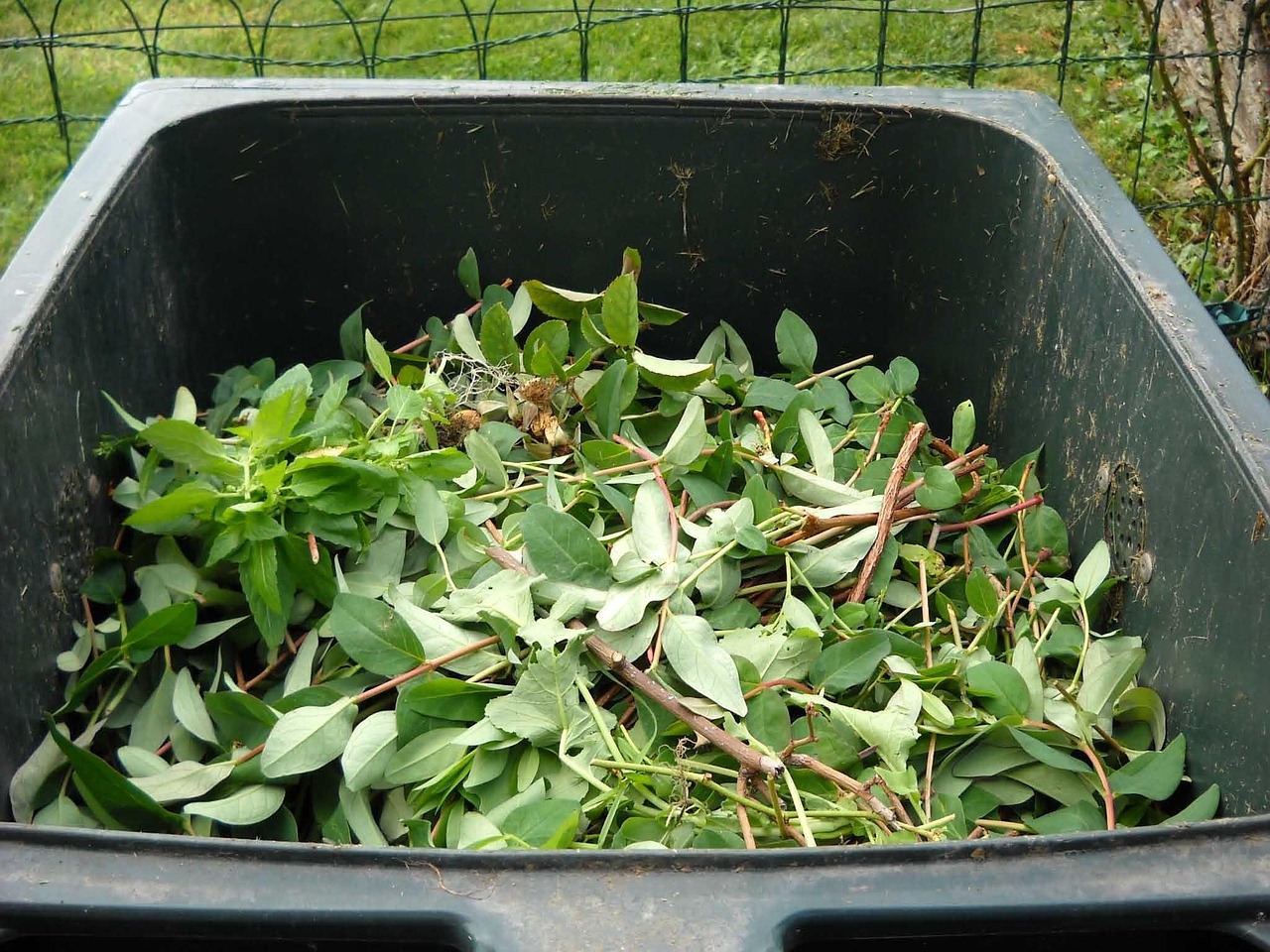
Taking the First Step Toward Greener Waste Management 🌿
Whether you choose community composting, home composting, or a combination approach, taking action matters more than achieving perfection. Every pound of organic waste diverted from landfills represents meaningful environmental contribution.
Start small and expand gradually. Begin with easily composted materials like coffee grounds and vegetable trimmings before tackling more complex waste streams. Join existing community programs while you develop home systems, or establish simple backyard bins while advocating for better municipal services.
Connect with local composting communities through social media groups, extension services, or environmental organizations. Experienced composters eagerly share knowledge and troubleshooting advice that smooths your learning curve.
Remember that composting represents just one element of comprehensive sustainable living. Combining waste diversion with reduced consumption, reusable products, and other eco-friendly practices multiplies your positive impact.
The choice between community and home composting need not be permanent or exclusive. As your circumstances, knowledge, and local infrastructure evolve, so can your approach to organic waste management. What matters most is beginning the journey toward greener living and discovering which path works best for your unique situation, values, and goals.