Composting has become a cornerstone of sustainable living, and compost tumblers have revolutionized how home gardeners transform kitchen scraps into nutrient-rich soil amendments.

Whether you’re a seasoned gardener or just starting your composting journey, understanding the nuances of tumbler composting can significantly impact your success. These rotating containers promise faster decomposition, easier maintenance, and cleaner composting compared to traditional bin methods. However, like any gardening tool, they come with their own set of advantages and limitations that deserve careful consideration before making an investment.
🔄 What Exactly Are Compost Tumblers?
Compost tumblers are enclosed composting systems designed with a rotating mechanism that allows you to turn your compost materials easily. Unlike stationary compost bins or open piles, these barrel-shaped containers spin on an axis, either horizontally or vertically, mixing the organic materials inside without requiring manual turning with a pitchfork or shovel.
The basic design typically features a drum mounted on a frame with handles or cranks for rotation. Most models include ventilation holes that allow oxygen to reach the decomposing materials while keeping pests out. The enclosed design creates a controlled environment where temperature and moisture levels can be more consistently maintained than in open composting systems.
Modern compost tumblers come in various sizes, ranging from compact 30-gallon models perfect for apartment balconies to large 80-gallon versions suitable for families with substantial food waste. Some advanced designs include dual-chamber systems that allow continuous composting by having one side curing while you add fresh materials to the other.
🌟 The Compelling Advantages of Tumbler Composting
Speed of Decomposition
One of the most celebrated benefits of compost tumblers is their ability to produce finished compost in as little as 4-6 weeks under optimal conditions. This accelerated timeline occurs because regular tumbling ensures consistent aeration throughout the compost pile. Microorganisms responsible for decomposition require oxygen to thrive, and the frequent mixing provided by tumbling delivers this essential element uniformly.
Traditional compost piles can take 6-12 months to produce usable compost, making tumblers particularly attractive for gardeners who need regular supplies of finished compost for their growing seasons. The enclosed environment also retains heat more effectively, creating the warm conditions that speed up microbial activity.
Effortless Physical Labor
Anyone who has manually turned a traditional compost pile knows the physical strain involved. Compost tumblers eliminate the back-breaking work of digging, lifting, and aerating heavy, decomposing materials. A simple rotation of the drum—often requiring just a few turns of a handle or a push of the barrel—accomplishes what would take 20-30 minutes of strenuous manual labor.
This ease of use makes composting accessible to elderly gardeners, people with physical limitations, or anyone who wants to maintain a compost system without intense physical exertion. The convenience factor often leads to more consistent turning schedules, which directly translates to better compost quality.
Superior Pest Control
Enclosed tumbler designs create an effective barrier against common composting nuisances. Rodents, raccoons, and other wildlife that might raid open compost piles find sealed tumblers nearly impossible to access. This security allows you to compost a wider range of materials, including small amounts of cooked food scraps that would typically attract unwanted visitors.
Flying pests like fruit flies also struggle to infiltrate well-sealed tumblers. The locking mechanisms and tight-fitting lids prevent these insects from laying eggs in your decomposing materials, keeping your composting area more pleasant and hygienic.
Space Efficiency and Aesthetics
Compost tumblers occupy a relatively small footprint compared to traditional composting systems. A typical tumbler might only require a 3×3 foot space, making them ideal for urban gardens, small yards, or even balconies. Their contained design also presents a neater, more organized appearance than open piles or even traditional bins.
Many modern tumblers feature attractive designs that blend well with landscape aesthetics. The compact nature means you can position them closer to your kitchen door for convenient food scrap disposal without creating an eyesore or generating complaints from neighbors about unsightly compost heaps.
Odor Management
When properly maintained, compost tumblers produce significantly less odor than open composting systems. The enclosed design contains smells while the regular turning ensures adequate aeration, which prevents the anaerobic conditions that cause foul odors. Proper carbon-to-nitrogen ratios are easier to maintain in tumblers because you can quickly assess and adjust the mixture during each rotation.
⚠️ The Honest Drawbacks and Limitations
Financial Investment Required
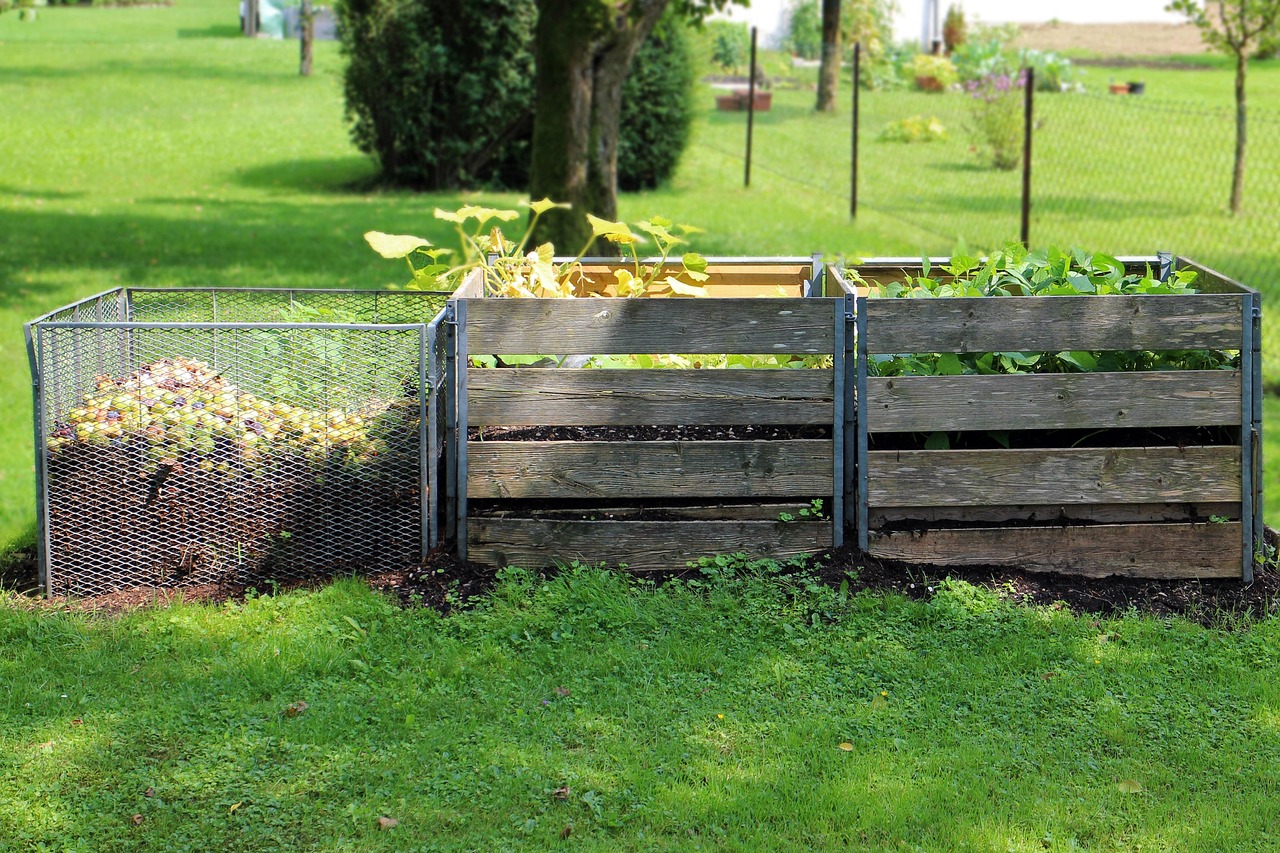
Quality compost tumblers represent a substantial upfront cost, typically ranging from $100 to $400 or more for premium models. This investment contrasts sharply with traditional composting methods, which can be started with simple wire mesh or wooden pallets for minimal expense, or even free if you build an open pile directly on the ground.
While the convenience may justify the expense for many gardeners, those on tight budgets or managing large properties might find it more economical to use traditional methods. The cost-per-volume ratio can be particularly unfavorable since even expensive tumblers have limited capacity compared to ground-based systems.
Volume Constraints
The enclosed nature that provides so many advantages also creates a significant limitation: restricted capacity. Most residential tumblers hold between 35-80 gallons, which sounds substantial until you begin actively composting. A productive vegetable garden or household with extensive yard waste can easily overwhelm a single tumbler’s capacity.
Unlike traditional compost piles that can simply grow larger as needed, tumblers have fixed volumes. Once full, you must either stop adding materials until the batch finishes composting or invest in additional units. This constraint can disrupt the continuous composting cycle that many gardeners prefer.
Material Suitability Challenges
Certain composting materials perform poorly in tumblers. Long branches, thick stalks, and large pieces of organic matter don’t break down efficiently in the rotating environment. The tumbling action works best with materials chopped into smaller pieces, adding an extra preparation step to your composting routine.
Tumblers also struggle with extremely wet materials or situations where moisture accumulates. Unlike ground-based systems where excess liquid can drain into the soil, tumblers can become waterlogged, creating anaerobic conditions despite regular turning. This problem becomes particularly acute in rainy climates or when composting high-moisture items like melon rinds or fresh grass clippings without adequate brown materials.
Limited Worm Composting Options
Vermicomposting enthusiasts face challenges with tumblers. Red wiggler worms and other composting species cannot establish stable populations in tumbling systems because the regular rotation disrupts their environment and can injure or kill the worms. These beneficial decomposers contribute significantly to traditional composting systems, and their absence means you rely solely on microbial action.
The elevated design also prevents natural earthworm migration from the ground into your compost, eliminating another beneficial organism that enhances traditional pile composting.
Batch Processing Limitations
Optimal tumbler composting follows a batch system rather than continuous addition. For best results, you should fill the tumbler completely with a balanced mix of materials, then allow it to decompose without adding fresh scraps. This approach ensures uniform decomposition and prevents the situation where some materials are finished while others have just begun breaking down.
However, batch processing conflicts with the steady stream of kitchen waste most households generate. Dual-chamber tumblers address this issue but come with higher price tags and don’t completely solve the problem for high-volume composters.
🎯 Maximizing Your Tumbler’s Performance
The Perfect Material Balance
Success with compost tumblers depends heavily on maintaining the proper carbon-to-nitrogen ratio, ideally around 30:1. This balance translates roughly to mixing three parts brown materials (dry leaves, shredded paper, cardboard) with one part green materials (food scraps, fresh grass clippings, coffee grounds).
Brown materials provide carbon for energy, while green materials supply nitrogen for protein synthesis that microorganisms need. Too much green material creates slimy, smelly compost, while excess brown material slows decomposition dramatically. The enclosed tumbler environment makes these imbalances more problematic than in open systems.
Moisture Management Mastery
Your compost mixture should feel like a wrung-out sponge—moist but not dripping. In tumblers, checking and adjusting moisture requires more attention than in ground-based systems. If contents become too dry, decomposition stalls; too wet, and you risk creating a soggy, anaerobic mess.
Adding dry brown materials absorbs excess moisture, while spritzing with water during turning can rehydrate overly dry contents. Some gardeners keep a spray bottle near their tumbler for quick moisture adjustments during the turning routine.
Size Matters: Chopping and Shredding
Reducing particle size before adding materials to your tumbler dramatically improves decomposition speed. Chopping vegetable scraps into 1-2 inch pieces, shredding paper and cardboard, and breaking down larger items increases the surface area available for microbial colonization.
While this preparation adds time to your composting routine, the investment pays dividends in faster decomposition and more uniform finished compost. Consider keeping kitchen shears near your compost collection container for quick cutting during meal preparation.
Turning Frequency and Technique
Most experts recommend turning tumblers every 2-3 days during active decomposition. This frequency ensures adequate aeration without disrupting the heating process too frequently. Each turning session should involve 4-5 complete rotations to thoroughly mix the contents.
During the initial hot composting phase (the first 2-3 weeks), more frequent turning may be beneficial. As decomposition progresses and temperatures begin dropping, you can reduce turning frequency to once weekly while materials cure into finished compost.
🏡 Choosing the Right Tumbler for Your Needs
Capacity Considerations
Assess your household’s waste generation honestly before selecting a tumbler size. A single person might manage well with a 35-gallon model, while families of four or more typically need 60-80 gallon capacity. If you maintain a large garden with substantial plant trimmings, consider either a larger model or multiple units.
Remember that tumblers function best when filled to about 80% capacity—too little material won’t generate adequate heat for hot composting, while overfilling makes turning difficult and less effective.
Single vs. Dual Chamber Systems
Dual-chamber tumblers cost more but offer significant workflow advantages. You can fill one side with fresh materials while the other side cures, creating a more continuous composting system that better accommodates steady waste production. This design proves particularly valuable for households that generate substantial food scraps.
Single-chamber models work well for gardeners who can store kitchen scraps temporarily or who don’t mind pausing additions while a batch finishes. They typically cost less and have simpler designs with fewer potential points of failure.
Construction Quality and Durability
Examine tumbler construction carefully before purchasing. Look for UV-resistant plastics that won’t become brittle after sun exposure, rust-resistant metal hardware, and sturdy frames that can support the considerable weight of full, wet compost (which can exceed 200 pounds).
Ball-bearing systems or similar quality rotating mechanisms ensure smooth turning even when the tumbler is full. Poorly designed rotation systems create frustrating user experiences that lead to inconsistent turning and suboptimal composting results.
♻️ Environmental Impact and Sustainability Considerations
Compost tumblers contribute to environmental sustainability by diverting organic waste from landfills, where it would decompose anaerobically and produce methane—a potent greenhouse gas. The finished compost reduces reliance on synthetic fertilizers, which require significant energy to manufacture and transport.
However, the manufacturing process for plastic tumblers involves petroleum products and energy consumption. When evaluating the environmental footprint, consider the tumbler’s longevity. A quality unit lasting 10-15 years provides better environmental value than cheaper models requiring replacement every few years.
The metal frames, typically powder-coated steel or aluminum, have their own production impacts but are often recyclable at end-of-life. Some manufacturers now offer tumblers made from recycled plastics, which may appeal to environmentally conscious composters willing to pay premium prices.
🔧 Maintenance and Troubleshooting Common Issues
Dealing with Stubborn Odors
If your well-maintained tumbler develops unpleasant smells, the issue typically traces to excessive moisture or insufficient aeration. Add generous amounts of dry brown materials like shredded paper or dry leaves, and increase turning frequency to every day until the smell dissipates. Leaving the door or lid open on dry days can also help excess moisture evaporate.
When Decomposition Stalls
Slow decomposition usually indicates imbalanced materials, inadequate moisture, or insufficient mass to generate heat. Check your carbon-to-nitrogen ratio and adjust accordingly. Ensure contents feel damp throughout, not just on the surface. If your tumbler is less than half full, consider adding more materials to create the critical mass needed for hot composting.
Pest Infiltration Solutions
While tumblers resist pests better than open systems, occasionally insects find their way inside. Fruit flies can be controlled by burying fresh food scraps under brown materials and ensuring the unit seals properly. For more persistent problems, temporarily stop adding food scraps and turn daily until existing materials break down and pest populations naturally decline.
💡 Making the Final Decision: Is a Tumbler Right for You?
Compost tumblers excel for specific gardening situations. They’re ideal for urban gardeners with limited space, people who prioritize convenience over volume, and anyone dealing with persistent pest problems in their area. The speed and ease of tumbler composting justify the investment for many enthusiasts who value their time and want finished compost quickly.
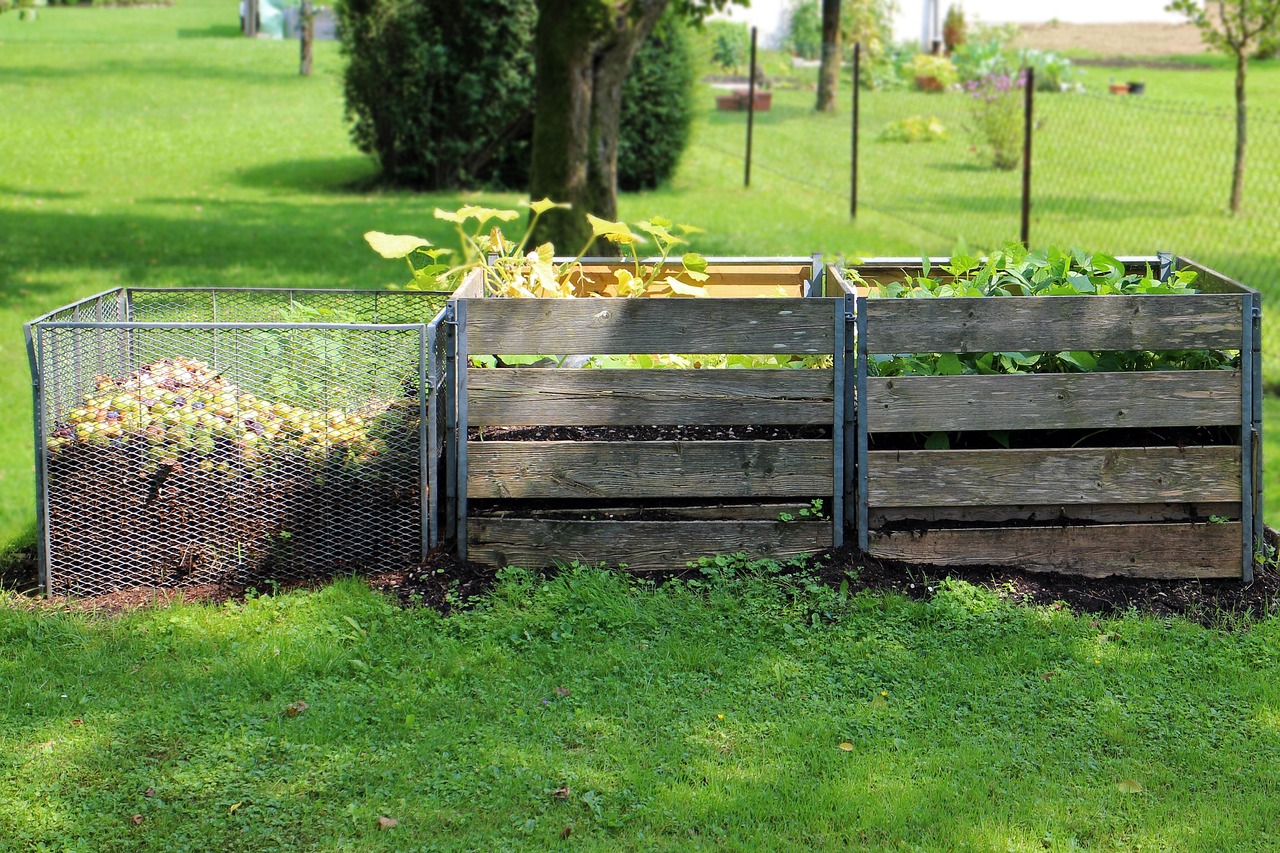
However, gardeners managing large properties, those composting massive volumes of yard waste, or people on very tight budgets might find traditional composting methods more practical. The volume limitations become particularly restrictive for active composters who generate substantial organic waste.
Consider starting with a single tumbler to test whether the system fits your composting style and needs. Many gardeners successfully combine methods, using tumblers for kitchen scraps and easy-to-process materials while maintaining traditional piles for yard waste and larger volumes. This hybrid approach capitalizes on each method’s strengths while minimizing their respective weaknesses.
Ultimately, the best composting system is the one you’ll actually use consistently. Compost tumblers remove many barriers to regular composting, making them valuable tools despite their limitations. By understanding both their advantages and drawbacks, you can make an informed decision that supports your gardening goals while contributing to a more sustainable lifestyle. 🌱