Choosing the right compost system for your household can feel overwhelming with so many options available. Whether you’re a city dweller with limited space or a suburban gardener with a large backyard, finding the perfect compost bin size makes all the difference.

Understanding how to match your composting needs with the right system ensures you’ll actually use it, avoid common pitfalls like overflowing bins or slow decomposition, and create nutrient-rich compost efficiently. This comprehensive guide will walk you through everything you need to know about selecting the ideal compost system size for your unique situation.
🏠 Understanding Your Household’s Composting Needs
Before diving into specific compost system sizes, you need to evaluate your household’s organic waste production. The average person generates approximately 200 pounds of compostable kitchen scraps annually, but this varies significantly based on diet, cooking habits, and household size.
Start by tracking your organic waste for one week. Collect vegetable peels, fruit scraps, coffee grounds, eggshells, and other compostable kitchen materials in a container. Weigh this material at week’s end and multiply by 52 to estimate your annual kitchen waste volume. Don’t forget to factor in yard waste if you maintain a garden or lawn.
Factors That Influence System Size Requirements
Several key factors beyond just waste volume determine what size compost system works best for you. Your available space obviously plays a crucial role, but processing speed matters too. If you want finished compost quickly, you’ll need adequate system capacity to maintain proper ratios of green and brown materials.
Climate conditions in your region affect decomposition rates. Warmer climates accelerate composting, potentially allowing you to work with smaller systems that process waste faster. Cold-weather composters might need larger capacity to accumulate materials during winter months when decomposition slows considerably.
📏 Small-Scale Systems: Perfect for Apartments and Compact Spaces
Limited space doesn’t mean you can’t compost successfully. Small-scale systems ranging from 5 to 20 gallons work wonderfully for individuals, couples, or anyone with minimal outdoor space. These compact solutions fit on balconies, under kitchen sinks, or in small patios.
Countertop and Under-Sink Composters
Electric countertop composters have revolutionized small-space composting. These appliances, typically holding 2-5 pounds of waste per cycle, use heat and grinding mechanisms to process food scraps into dried, odorless material within 3-8 hours. They’re ideal for apartments with absolutely no outdoor space.
Under-sink systems using bokashi fermentation handle 3-5 gallons of waste per bucket. These anaerobic composting systems can process meat, dairy, and cooked foods that traditional composting can’t handle. You’ll need two buckets to rotate while one ferments for approximately two weeks.
Balcony and Small Patio Solutions
For those with small outdoor spaces, worm composting bins (vermicomposters) ranging from 10-20 gallons provide excellent results. A standard household of 1-2 people generates enough kitchen scraps to sustain a 10-gallon worm bin, which processes about 3-4 pounds of waste weekly.
Compact tumbling composters in the 37-gallon range suit balconies and small patios perfectly. These elevated bins keep composting contained, reduce odors, and produce finished compost in 4-6 weeks with regular turning. They’re substantial enough for couples or small families producing moderate kitchen waste.
🏡 Medium-Scale Systems: Ideal for Average Households
Most suburban families with 3-4 members and a standard yard need medium-capacity systems ranging from 50-120 gallons. This size category offers the sweet spot between capacity and manageability for typical household waste production.
The 60-80 Gallon Range
A family of four typically produces 8-12 pounds of compostable kitchen waste weekly, plus seasonal yard waste. A 60-80 gallon stationary bin or dual-chamber tumbler handles this volume comfortably. Dual-chamber systems let you fill one side while the other finishes composting, ensuring continuous processing.
Stationary bins in this size range measure approximately 3×3 feet at the base and 3-4 feet tall. They’re large enough to maintain proper heat for hot composting but small enough to turn with a pitchfork or aerator tool. Plan for 3-4 months from start to finished compost in well-managed systems.
Expanding to 100-120 Gallons
Households with larger gardens generating substantial yard waste, or families committed to composting everything possible, should consider systems in the 100-120 gallon range. These accommodate approximately 15-20 pounds of weekly kitchen scraps plus considerable grass clippings, leaves, and plant trimmings.
At this capacity, you’re looking at bins roughly 4×4 feet at the base and 4 feet tall. Some gardeners prefer having two 60-gallon bins rather than one 120-gallon unit, allowing one to cure while actively filling the other. This approach provides better material management and finished compost availability.
🌳 Large-Scale Systems: For Serious Gardeners and Big Families
Properties with extensive gardens, large families (5+ members), or those composting for community purposes need systems exceeding 120 gallons. These substantial operations require more space and management but reward you with abundant compost for ambitious gardening projects.
Multi-Bin Systems
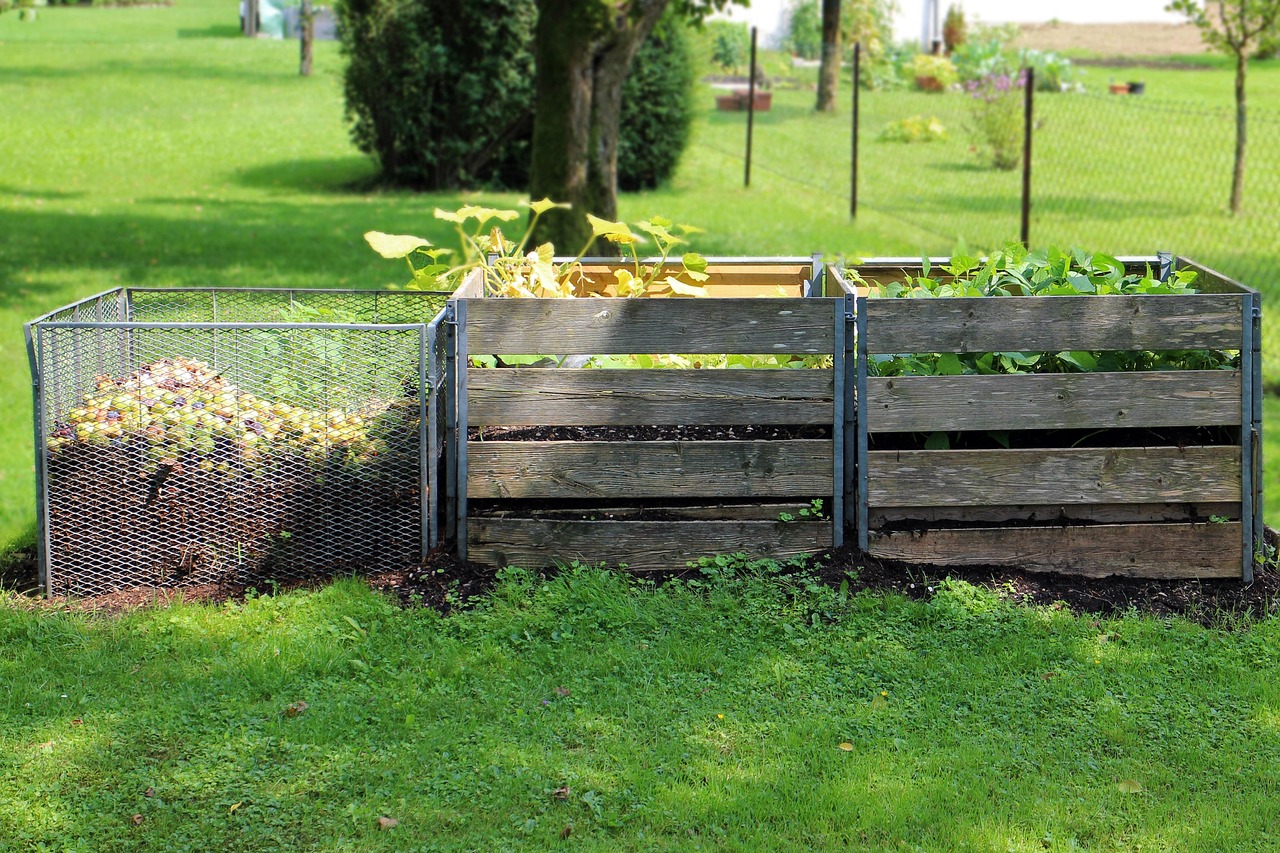
Professional gardeners and homesteaders often use three-bin systems, each bin holding 200-300 gallons. This setup allows proper progression: one bin for fresh materials, one for active composting, and one for curing. Each bin measures approximately 4x4x4 feet, requiring about 12-15 feet of linear space plus working room.
The three-bin method produces continuous compost yields. You can start new material in bin one, turn progressing compost from bin one to bin two after 4-6 weeks, then move it to bin three for final curing. This system generates finished compost every 3-4 months once established.
Windrow and Pile Systems
For truly large-scale operations, long windrow piles or open ground piles eliminate capacity constraints entirely. These work best on properties with at least a quarter-acre dedicated to composting. Windrows typically measure 4-5 feet wide by 3-4 feet tall and extend as long as needed.
Managing large piles requires equipment for turning—either a tractor with bucket loader or specialized compost turner. Plan for 3-6 months processing time depending on management intensity and material ratios. Large-scale systems make sense when you’re producing 50+ pounds of organic waste weekly or composting for multiple households.
🔄 Specialty Systems for Specific Needs
Beyond traditional size classifications, certain situations call for specialized composting approaches that don’t fit standard categories. Understanding these alternatives helps you find solutions for unique circumstances.
Hot Composting Systems
Dedicated hot composters require minimum volumes around 27 cubic feet (approximately 200 gallons) to generate and maintain the 130-160°F temperatures needed for rapid decomposition and pathogen elimination. These insulated systems produce finished compost in just 18-21 days when properly managed.
Hot composting suits gardeners dealing with diseased plant material or weed seeds requiring heat treatment. The larger minimum volume isn’t negotiable—smaller masses can’t sustain the thermophilic temperatures necessary. You’ll need to collect sufficient materials before starting each batch.
Pet Waste Composting
Pet waste requires separate composting systems never used for garden compost. A dedicated 30-50 gallon pet waste digester handles waste from 1-2 medium dogs. These in-ground systems use septic-style digestion with composting enzymes to break down waste safely over 2-3 months.
Never apply pet waste compost to vegetable gardens due to potential pathogens. Use it exclusively for ornamental plantings, lawns, or non-edible landscaping. Households with multiple large dogs might need two 50-gallon digesters to keep up with waste production.
📊 Sizing Quick Reference Guide
This reference table helps match your household characteristics with appropriate compost system capacity ranges:
| Household Size | Weekly Kitchen Waste | Yard Waste Level | Recommended Capacity |
|---|---|---|---|
| 1 person | 2-3 lbs | None/Minimal | 5-20 gallons |
| 2 people | 4-6 lbs | Small balcony/patio | 20-40 gallons |
| 3-4 people | 8-12 lbs | Average suburban yard | 60-100 gallons |
| 5-6 people | 15-20 lbs | Large yard/garden | 120-200 gallons |
| 7+ people | 25+ lbs | Extensive property | 200+ gallons or multi-bin |
⚖️ Avoiding Common Sizing Mistakes
Many beginners either overestimate or underestimate their capacity needs, leading to frustration. The most common mistake is buying too large a system that never fills properly, resulting in slow decomposition and poor compost quality.
Undersizing creates different problems: overflowing bins, inability to maintain proper ratios, and accumulating materials that can’t be processed quickly enough. A slightly oversized system works better than an undersized one since you can always add extra brown materials to fill space.
The Expansion Strategy
Start with a system sized for 75-80% of your estimated capacity needs. This approach lets you learn composting fundamentals without overwhelming yourself. After six months, you’ll understand your actual waste production and can add capacity if needed.
Modular systems that allow adding sections make expansion easy. Stackable worm bins, connecting stationary composters, or adding second bins to create multi-stage systems provide flexibility as your composting ambitions grow. Many successful composters start small and gradually build comprehensive systems.
💡 Seasonal Considerations and Capacity Planning
Your composting needs fluctuate throughout the year, sometimes dramatically. Spring and fall yard cleanups generate massive volumes of leaves, grass clippings, and plant debris that dwarf your steady kitchen scrap production. Smart system sizing accounts for these seasonal peaks.
Consider sizing your primary system for average weekly waste production, then have a supplementary solution for seasonal overflow. A simple holding bin or designated pile area can store excess fall leaves until your main system has capacity to incorporate them gradually.
Winter Composting Challenges
Cold-climate composters face special sizing considerations. Decomposition slows or stops entirely when temperatures drop below 40°F. You might need additional capacity to accumulate winter materials for spring processing, or choose insulated systems that maintain activity during freezing weather.
Some cold-weather composters use a hybrid approach: a small indoor bokashi or electric system for winter kitchen scraps, plus a larger outdoor system that goes dormant until spring. This prevents having an oversized outdoor system most of the year just to handle winter accumulation.
🎯 Making Your Final Decision
Selecting the perfect compost system size comes down to balancing multiple factors: your current waste production, available space, processing timeline needs, and future plans. Use the week-long waste tracking exercise mentioned earlier as your baseline data point.
Calculate your annual kitchen waste volume, estimate yard waste based on your property size and landscaping intensity, then match these figures against the capacity ranges discussed throughout this guide. Remember that slightly oversizing provides flexibility while extreme oversizing creates management problems.
Budget Considerations
Larger systems cost more upfront but provide better value per gallon of capacity. A quality 80-gallon tumbler might cost twice as much as a 40-gallon model but offers more than double the functionality. However, an unused large system wastes money more than a fully-utilized smaller one.
DIY construction significantly reduces costs for larger systems. Building a simple three-section bin from pallets or wire mesh costs a fraction of commercial alternatives and can be sized exactly to your needs. Many composters start with purchased small systems, then build larger capacity as experience and confidence grow.

🌱 Getting Started With Confidence
Now that you understand how to size your compost system appropriately, you’re ready to begin your composting journey. Remember that composting is forgiving—if your first system isn’t perfectly sized, you can adjust by adding capacity, changing management techniques, or trying different approaches.
The most important factor isn’t having the theoretically perfect size calculated to the gallon. It’s choosing a system that matches your lifestyle well enough that you’ll actually use it consistently. A slightly imperfect system you maintain regularly outperforms the “ideal” system that sits neglected.
Start tracking your waste production this week, measure your available space, and use this guide’s recommendations to narrow your options. Within a few months, you’ll be producing rich, dark compost perfectly sized to your household’s needs while significantly reducing your environmental footprint. The perfect fit exists for every household—including yours.