Choosing between a DIY compost bin and a store-bought system can transform your gardening experience while supporting sustainable living practices.

As more homeowners embrace eco-friendly gardening, composting has emerged as a cornerstone of sustainable waste management. Whether you’re a seasoned gardener or just beginning your journey toward reducing household waste, the decision between building your own compost bin or purchasing a commercial system deserves careful consideration. Both approaches offer unique advantages, and understanding these differences will help you make an informed choice that aligns with your garden’s needs, available space, and financial constraints.
Understanding the Basics of Composting Systems 🌱
Composting transforms organic waste into nutrient-rich soil amendment through natural decomposition. This process requires four essential elements: carbon-rich materials (browns), nitrogen-rich materials (greens), oxygen, and moisture. Both DIY and commercial systems facilitate this transformation, but they accomplish it through different designs and features.
The fundamental difference between homemade and store-bought composting solutions lies in their construction, convenience, and cost structure. DIY bins typically utilize repurposed materials or simple building projects, while commercial systems feature engineered designs with specific functionality enhancements. Understanding how each system manages airflow, moisture retention, and temperature regulation will help you determine which option suits your composting goals.
The DIY Compost Bin Advantage: Customization and Cost Savings
Building your own compost bin offers unparalleled flexibility in design and dimensions. You can construct a system that perfectly fits your available space, whether that’s a compact corner of a small urban patio or an expansive area in a rural backyard. This customization extends to capacity, allowing you to scale your composting operation according to your household’s organic waste production.
Materials and Construction Options for Homemade Bins
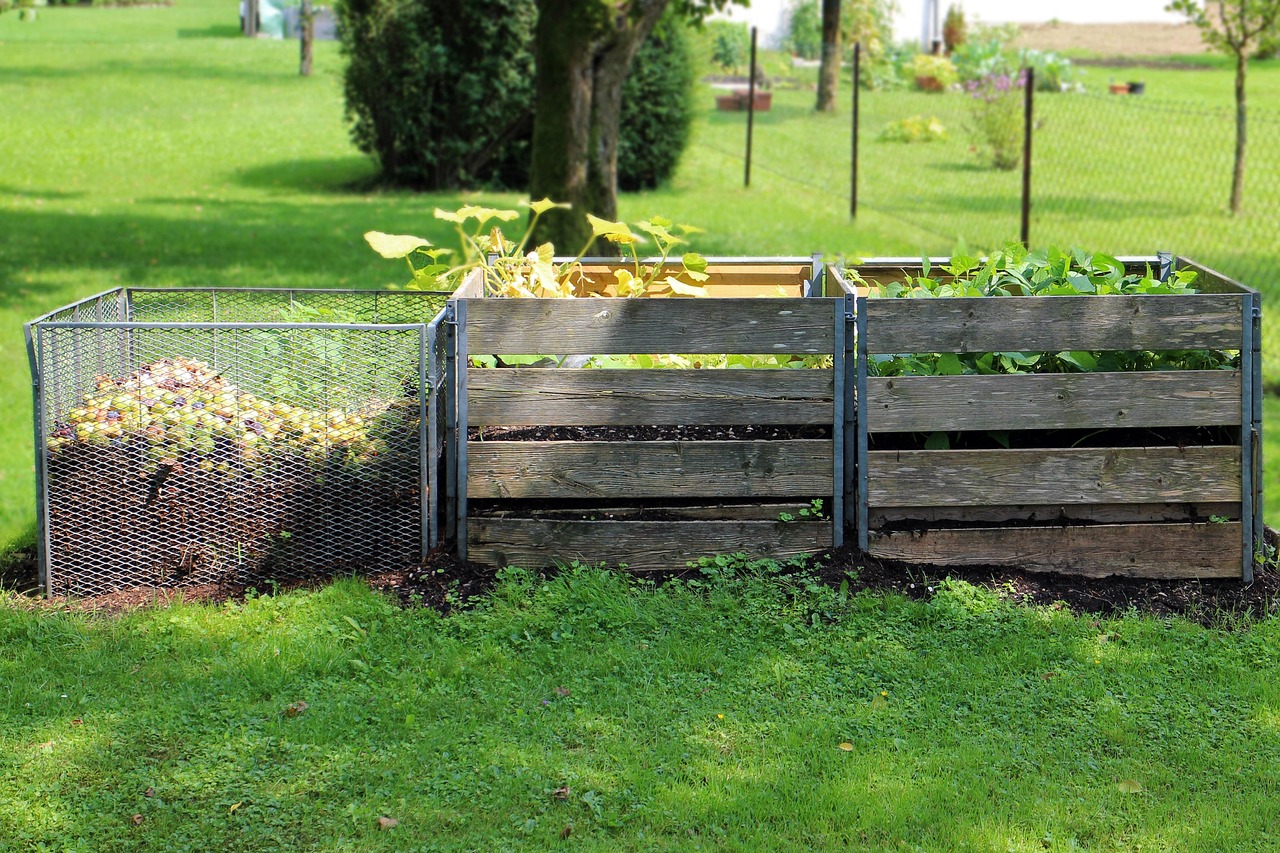
DIY enthusiasts have numerous material choices when constructing compost bins. Wooden pallets remain one of the most popular options, offering durability and excellent ventilation at minimal cost. Many businesses discard or donate pallets freely, making them an exceptionally budget-friendly choice. Wire mesh or chicken wire creates simple yet effective containment systems that promote airflow while keeping materials contained.
Concrete blocks, reclaimed lumber, and even repurposed plastic containers can become functional composting systems with basic modifications. The key is ensuring adequate drainage, sufficient air circulation, and accessibility for turning and harvesting finished compost. A three-bin system constructed from pallets, for instance, allows for continuous composting with separate sections for fresh materials, active decomposition, and finished compost.
Cost Analysis of Building Your Own System 💰
The financial advantage of DIY composting becomes immediately apparent when comparing material costs. A basic pallet bin might cost absolutely nothing if you source free pallets, requiring only basic hardware like screws or wire ties. Even purchasing new materials rarely exceeds fifty dollars for a substantial three-bin system.
Labor represents your primary investment in DIY composting. A simple wire mesh bin takes perhaps thirty minutes to construct, while an elaborate wooden three-compartment system might require several hours over a weekend. However, many gardeners find this hands-on construction deeply satisfying, viewing the time investment as enjoyable rather than burdensome.
Store-Bought Compost Systems: Convenience and Enhanced Features
Commercial composting systems offer refined designs developed through research and customer feedback. Manufacturers have addressed common composting challenges with innovative solutions, creating products that simplify the decomposition process and accelerate results. These systems particularly appeal to beginners who want guidance and gardeners seeking specific functionality.
Types of Commercial Composting Solutions
The market offers diverse commercial composting options, each designed for particular needs and preferences. Tumbler composters feature rotating drums mounted on frames, allowing users to easily turn compost by simply spinning the container. This design accelerates decomposition by facilitating frequent aeration without requiring physical labor with pitchforks or shovels.
Static bin composters provide enclosed containers with ventilation systems and access doors for adding materials and removing finished compost. Many incorporate clever design features like two-chamber systems that enable continuous composting, with one side actively decomposing while the other cures.
Worm composting systems, or vermicomposters, utilize special bins designed to house composting worms that rapidly process organic waste. These systems excel in apartments and small spaces where traditional composting might be impractical. Indoor countertop composters represent the newest innovation, using technology to accelerate decomposition through controlled heating and aeration.
Pricing Spectrum for Commercial Systems
Store-bought compost bins span a wide price range reflecting their features, capacity, and construction quality. Basic plastic stationary bins start around forty to sixty dollars, offering simple containment with ventilation holes. Mid-range tumbler systems typically cost between one hundred and two hundred fifty dollars, providing rotation mechanisms and dual-chamber functionality.
Premium composting solutions, including large-capacity tumblers, sophisticated worm farming systems, and electric indoor composters, can exceed four hundred dollars. These high-end options justify their cost through enhanced convenience, faster processing times, and additional features like odor control and pest resistance.
Comparing Performance: Speed and Quality of Finished Compost
Compost quality ultimately depends more on management practices than the bin type itself. Both DIY and commercial systems can produce excellent finished compost when properly maintained with correct carbon-to-nitrogen ratios, adequate moisture, and regular turning. However, certain design features influence the speed and ease of achieving optimal results.
Decomposition Timeline Factors ⏰
Tumbler composters often accelerate decomposition because their rotation mechanism makes frequent turning effortless. This regular aeration introduces oxygen that thermophilic bacteria need for rapid breakdown of organic matter. Well-managed tumblers can produce usable compost in four to eight weeks under ideal conditions.
DIY bins typically require longer processing times, often three to six months, because turning larger volumes of material demands more physical effort, leading to less frequent aeration. However, this slower process isn’t necessarily inferior—many experienced composters prefer the gradual decomposition that allows for better temperature management and more complete breakdown of tough materials.
Worm composting operates on a different timeline, with red wiggler worms processing materials in approximately two to three months. The resulting vermicompost contains beneficial microorganisms and nutrients in forms particularly accessible to plants, making it exceptionally valuable despite the moderate processing speed.
Space Considerations and Aesthetic Impact 🏡
Your available space significantly influences which composting approach makes sense. DIY systems offer flexibility to utilize awkward spaces, while commercial units provide compact, tidy solutions for visible locations. Consider both the physical footprint and visual impact when making your selection.
Space Requirements for Different Systems
A functional DIY three-bin pallet system typically requires approximately twelve feet of linear space and four feet of depth, creating a substantial footprint suitable for larger yards. Single-bin DIY solutions can be much smaller, occupying as little as three by three feet, similar to many commercial stationary bins.
Tumbler composters typically need less ground space but require clearance for rotation, usually occupying a four by four foot area. Their elevated design creates vertical presence while leaving ground space beneath available for other uses. Worm bins and indoor electric composters offer the most space-efficient options, with some countertop models occupying less than one square foot.
Visual Appeal and Neighborhood Considerations
Aesthetic concerns matter, especially in neighborhoods with strict appearance standards or when composting in visible front or side yards. Commercial systems generally offer cleaner, more finished appearances that blend into landscaping. Many feature neutral colors and streamlined designs that read as intentional garden equipment rather than makeshift waste containers.
DIY bins can be visually appealing with thoughtful construction and placement, though they require more effort to achieve polished appearances. Staining or painting wooden structures, incorporating lattice panels, or surrounding bins with screening plants transforms functional composting areas into attractive garden features. Some creative DIY builders construct bins that double as attractive fencing or raised bed borders.
Maintenance Requirements and Long-Term Durability
Both DIY and commercial systems require ongoing maintenance, but the specific tasks and longevity differ based on construction materials and design complexity. Understanding these maintenance needs helps calculate true long-term costs and effort investment.
DIY System Maintenance and Lifespan
Wooden DIY bins typically last five to ten years depending on wood type and weather exposure. Untreated pine or pallet wood may deteriorate faster, while cedar or redwood offers natural rot resistance. Regular inspections for loose fasteners, damaged sections, or pest intrusion help maintain functionality and extend lifespan.
Wire mesh and hardware cloth systems require minimal maintenance beyond occasional repairs to torn or rusted sections. Concrete block bins offer exceptional durability, potentially lasting decades with virtually no maintenance. However, simpler DIY designs may lack features that prevent common issues like excessive moisture accumulation or pest access, requiring vigilant management.
Commercial System Durability and Warranty Coverage
Quality commercial composters constructed from UV-resistant plastics or powder-coated metals typically last ten to twenty years with proper care. Many manufacturers offer warranties ranging from one to five years, providing protection against defects and premature failure. This warranty coverage offers peace of mind that DIY projects cannot match.
Tumbler mechanisms represent potential maintenance concerns, as hinges, bearings, and latches experience regular stress. Choosing systems with replaceable parts and checking customer reviews for durability complaints helps avoid frustrating premature failures. Some premium systems feature all-metal construction that withstands harsh weather and heavy use better than plastic alternatives.
Environmental Impact: Which Option is Greener? 🌍
Both composting approaches divert organic waste from landfills, delivering significant environmental benefits. However, analyzing their complete environmental footprint reveals nuanced differences worth considering for environmentally conscious gardeners.
Manufacturing and Transportation Considerations
DIY bins constructed from salvaged or locally sourced materials carry minimal environmental costs beyond the initial resource extraction. Repurposing pallets or using reclaimed lumber prevents waste while avoiding new manufacturing impacts. Local sourcing eliminates transportation emissions, particularly when materials come from neighborhood businesses or construction sites.
Commercial systems involve manufacturing processes, packaging materials, and often international shipping that generate carbon emissions and resource consumption. However, efficient factory production and engineered durability may offset these impacts through longer lifespans and superior functionality that encourages consistent composting participation.
Effectiveness in Waste Diversion
The most environmentally beneficial composting system is the one you’ll actually use consistently. Commercial systems with convenient features may divert more waste from landfills if their user-friendly design encourages regular participation. Conversely, a simple DIY bin costs the environment nothing to create and performs the fundamental waste-diversion function equally well when properly managed.
Making the Right Choice for Your Situation 🎯
Several key factors should guide your decision between DIY and commercial composting systems. Honest assessment of your priorities, constraints, and gardening goals ensures satisfaction with your chosen approach.
When DIY Makes Most Sense
Building your own compost bin proves ideal when budget constraints are significant, you enjoy hands-on projects, or you need custom dimensions to fit specific spaces. DIY also suits gardeners with access to free or inexpensive materials and those comfortable with basic construction techniques. Large-scale composting operations benefit from DIY approaches that scale up affordably.
Experienced gardeners familiar with composting science may prefer DIY systems they can modify based on observed performance, adjusting ventilation, drainage, or capacity as needed. Those with ample time for regular manual turning won’t miss the convenience features commercial systems offer.
When Commercial Systems Offer Better Value
Store-bought composters excel for beginners seeking guidance and forgiveness for learning-curve mistakes. Their engineered designs often incorporate features that prevent common problems like odors, pests, or excessively wet conditions. Urban and suburban gardeners with limited space benefit from compact commercial designs with smaller footprints and tidier appearances.
Physical limitations make commercial tumblers and worm bins attractive, eliminating heavy lifting and strenuous turning. Renters who might relocate appreciate portable commercial systems they can easily transport. Those prioritizing speed benefit from tumbler designs that accelerate decomposition through effortless frequent aeration.
Hybrid Approaches: Combining Best of Both Worlds
Many successful composters eventually employ both DIY and commercial systems, leveraging each approach’s strengths for different purposes. A large DIY bin might handle yard waste and bulk materials, while a small commercial tumbler processes kitchen scraps quickly for immediate gardening needs. Worm bins can supplement outdoor composting during winter months when cold temperatures slow decomposition.
Starting with one approach doesn’t preclude adding the other later. Beginning composters might purchase a commercial system to learn fundamentals, then expand with DIY bins as confidence and waste volumes grow. Alternatively, starting with a simple homemade bin provides low-risk experimentation before investing in specialized commercial equipment.
Maximizing Success Regardless of System Choice
Composting success ultimately depends more on management than equipment. Both DIY and commercial systems require attention to fundamental composting principles: balanced carbon and nitrogen inputs, adequate moisture, sufficient oxygen, and appropriate particle sizes. Regular monitoring and adjustment produce excellent results in any container that provides basic protection and ventilation.
Education proves more valuable than expensive equipment. Understanding how temperature, moisture, and aeration interact empowers you to troubleshoot problems and optimize any system. Local composting workshops, cooperative extension resources, and experienced gardening communities offer invaluable guidance that transcends specific bin designs.

Your Garden Deserves the Right Composting Solution
The choice between DIY and store-bought composting systems isn’t about finding one universally superior option—it’s about identifying which approach aligns with your unique circumstances, preferences, and goals. Budget-conscious DIY builders and convenience-seeking commercial system users both contribute equally to environmental sustainability by diverting organic waste and enriching garden soil.
Consider your available time, physical capabilities, space constraints, aesthetic preferences, and budget honestly. Test your commitment with a simple, inexpensive approach before investing heavily in elaborate systems. Remember that the best composting system is the one you’ll maintain consistently, producing the rich, dark “black gold” that transforms ordinary gardens into thriving, productive ecosystems. Whether you build or buy, your compost bin represents a meaningful step toward sustainable living and garden excellence. 🌿