Composting transforms your kitchen scraps and yard waste into nutrient-rich soil, reducing landfill waste while nourishing your garden naturally and sustainably.

Whether you’re a seasoned gardener or just starting your sustainability journey, understanding what can and cannot go into your compost bin is essential for creating healthy, productive compost. This comprehensive guide will walk you through everything you need to know about composting, complete with a reference chart you can print and keep handy in your kitchen or garden shed.
🌱 Why Composting Matters More Than Ever
Composting isn’t just a trendy eco-friendly practice—it’s a powerful solution to multiple environmental challenges. According to the EPA, food scraps and yard waste together make up more than 30% of what we throw away. When organic materials decompose in landfills without oxygen, they produce methane, a greenhouse gas that’s 25 times more potent than carbon dioxide.
By composting at home, you’re directly reducing your carbon footprint while creating “black gold” for your garden. This nutrient-dense soil amendment improves soil structure, retains moisture, suppresses plant diseases, and reduces the need for chemical fertilizers. It’s a perfect example of closing the loop in your household’s waste management system.
Understanding the Science Behind Successful Composting
Before diving into what you can compost, it’s important to understand the fundamental principles that make composting work. Successful composting relies on the right balance of four key elements: carbon, nitrogen, oxygen, and moisture.
The Carbon-Nitrogen Ratio Explained
Microorganisms that break down organic matter need carbon for energy and nitrogen for protein synthesis. The ideal carbon-to-nitrogen ratio for composting is approximately 30:1. Carbon-rich materials, often called “browns,” include dry leaves, straw, paper, and cardboard. Nitrogen-rich materials, known as “greens,” include fresh grass clippings, fruit and vegetable scraps, and coffee grounds.
Maintaining this balance ensures that your compost pile heats up properly, breaks down efficiently, and doesn’t produce unpleasant odors. Too much nitrogen creates a smelly, slimy mess, while too much carbon results in slow decomposition.
🥬 The Complete List: What You Can Compost
The good news is that a surprising variety of materials can be composted. Here’s your comprehensive guide to compostable items, organized by category.
Kitchen Scraps and Food Waste
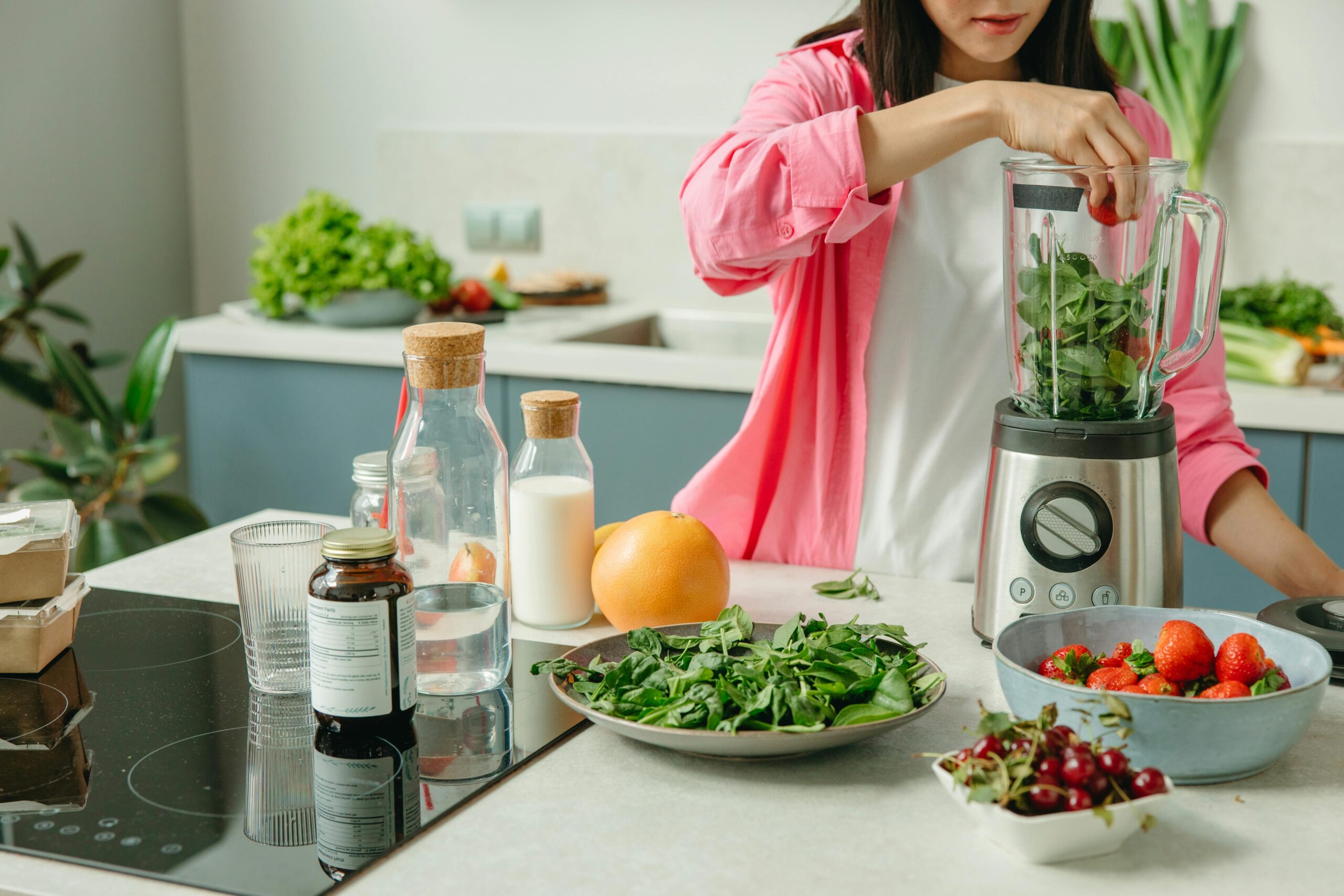
Your kitchen is a goldmine of compostable materials. Fruit and vegetable scraps of all kinds make excellent additions to your compost bin. Apple cores, banana peels, citrus rinds, melon rinds, carrot tops, potato peels, and salad greens all break down beautifully. Even items like avocado skins and corn cobs will eventually decompose, though they take longer.
Coffee grounds are a composting superstar—they’re rich in nitrogen and earthworms absolutely love them. Don’t forget to add the paper coffee filters too! Tea bags can also be composted, but check that they’re made from natural fibers rather than synthetic materials. Loose tea leaves are always compost-safe.
Crushed eggshells add valuable calcium to your compost and help balance pH levels. Rinse them briefly to avoid attracting pests, crush them into small pieces, and toss them in. Nut shells (except walnut) are also compostable, though harder shells like pistachio take considerably longer to break down.
Yard and Garden Waste
Grass clippings are nitrogen-rich and decompose quickly, but add them in thin layers mixed with brown materials to prevent matting. Leaves are one of the best composting materials available—they’re high in carbon and create excellent structure. Shred them first for faster decomposition.
Plant trimmings, dead flowers, and spent vegetable plants from your garden all belong in the compost pile. Small twigs and branches can be added if they’re chopped into pieces no larger than a finger’s width. Larger woody materials take years to break down and are better suited for separate brush piles.
Weeds can be composted as long as your pile reaches temperatures of 130-140°F, which kills most weed seeds. If you’re not confident about your pile’s temperature or if you’re dealing with particularly invasive species, it’s safer to dispose of weeds elsewhere.
Paper and Cardboard Products
Many paper products make excellent carbon-rich additions to compost. Newspaper (in moderation), paper bags, cardboard egg cartons, paper towel and toilet paper tubes, and pizza boxes (torn into pieces) all work well. Shred or tear paper products into smaller pieces to speed decomposition.
Plain cardboard is fantastic for composting—it’s high in carbon and helps create air pockets in your pile. Remove any tape, labels, or glossy coatings first, and break boxes down into smaller pieces. Corrugated cardboard can also be used as a base layer in new compost bins.
Surprising Items You Can Compost
Several household items that many people throw away are actually compostable. Dryer lint from natural fiber clothing, hair from hairbrushes (human or pet), and nail clippings all break down in compost. Natural fiber fabrics like cotton, wool, silk, and linen can be composted if cut into small pieces and free from synthetic blends.
Wood ash from untreated wood can be added sparingly—it’s alkaline and rich in potassium, but too much can throw off your pH balance. Sawdust from untreated wood is also compostable and counts as a brown material, though it should be mixed well to prevent clumping.
🚫 What to Avoid: Compost Contaminants
Knowing what to keep out of your compost is just as important as knowing what to include. These materials can attract pests, create health hazards, introduce diseases, or simply won’t break down properly.
Animal Products and Proteins
Meat, fish, bones, and seafood should never go in home compost bins. They decompose slowly, create terrible odors, and attract rats, raccoons, flies, and other unwanted visitors. The same applies to dairy products like cheese, milk, butter, and yogurt—they become rancid, smell awful, and draw pests.
Fats, oils, and grease don’t break down easily in compost and can create water-resistant barriers that prevent proper aeration and moisture distribution. They also attract animals and can cause your pile to smell unpleasant.
Plants and Yard Waste to Exclude
Diseased or insect-infested plants should be kept out of your compost pile. The pathogens and pests can survive the composting process and spread when you use the finished compost in your garden. Black walnut leaves, twigs, and hulls contain juglone, a compound toxic to many plants, and should not be composted.
Chemically treated grass clippings or yard waste from lawns recently treated with herbicides or pesticides can harm the beneficial microorganisms in your compost and potentially contaminate your finished product. Wait at least three mowing cycles after chemical applications before composting grass clippings.
Pet Waste and Litter
Dog and cat feces should never be added to compost used on food gardens. They can contain harmful pathogens like Toxoplasma and E. coli that survive the composting process and pose serious health risks. Cat litter, even if made from natural materials, should be excluded for the same reason.
Problematic Paper and Synthetic Materials
Glossy or coated paper, magazines, and colored printed materials may contain heavy metals or toxic inks and should be recycled instead of composted. Similarly, any paper products that have touched oils, chemicals, or cleaning products shouldn’t go in your pile.
Synthetic materials like plastic, metal, glass, rubber, and synthetic fabrics will never break down and contaminate your compost. Always check labels on products like tea bags, coffee pods, and “compostable” packaging—many require industrial composting facilities and won’t break down in home systems.
📊 Your Free Printable Composting Reference Chart
To make composting easier, here’s a simple reference chart you can print and display near your compost collection area:
| ✅ COMPOST THESE | ❌ AVOID THESE |
|---|---|
| Fruit & vegetable scraps | Meat, fish & bones |
| Coffee grounds & filters | Dairy products |
| Tea bags & loose tea | Fats, oils & grease |
| Eggshells (crushed) | Pet waste |
| Grass clippings | Diseased plants |
| Leaves (shredded) | Treated wood/sawdust |
| Plant trimmings | Coal or charcoal ash |
| Newspaper (torn) | Glossy paper/magazines |
| Cardboard (plain) | Synthetic materials |
| Dryer lint (natural fibers) | Chemically treated yard waste |
🔄 Building and Maintaining Your Compost Pile
Knowing what to compost is only the first step. Successful composting requires proper setup and maintenance to create ideal conditions for decomposition.
Choosing Your Composting Method
Different composting methods suit different lifestyles and spaces. Traditional compost bins or piles work well for yards with space and produce large quantities of finished compost. Tumbler composters are easier to turn and speed up decomposition but have limited capacity. For apartment dwellers or those with minimal outdoor space, vermicomposting (worm composting) can be done indoors in compact bins.
Layering for Success
Start your compost pile with a layer of coarse brown materials like twigs or straw to allow air circulation from the bottom. Then alternate layers of green and brown materials, aiming for roughly three parts brown to one part green by volume. Each time you add kitchen scraps, cover them with browns to minimize odors and discourage pests.
Keep your pile as moist as a wrung-out sponge—not soggy, not dry. If it’s too wet, add more browns; if too dry, add water or more greens. Turn or mix your pile every week or two to incorporate oxygen, which speeds decomposition and prevents anaerobic conditions that cause odors.
Monitoring Temperature and Progress
An active compost pile will heat up as microorganisms break down organic matter. The center of the pile can reach 130-160°F, which kills pathogens and weed seeds. If your pile isn’t heating up, it may need more nitrogen, more moisture, better aeration, or simply more volume—piles smaller than one cubic yard often struggle to generate heat.
Finished compost is dark, crumbly, and smells earthy. Individual materials should no longer be recognizable. Depending on your method and materials, compost can be ready in anywhere from two months to two years. Hot, actively managed piles produce finished compost fastest, while passive piles take longer but require less effort.
💡 Troubleshooting Common Composting Problems
Even experienced composters encounter challenges. Here’s how to address the most common issues.
Dealing with Odors
If your compost smells like ammonia, you have too much nitrogen. Add more brown materials and turn the pile to incorporate oxygen. If it smells like rotten eggs or sulfur, the pile is too wet and lacks oxygen. Turn it thoroughly and add dry browns to absorb excess moisture.
Pest Prevention Strategies
Fruit flies are attracted to exposed food scraps. Always bury or cover kitchen waste with at least four inches of brown materials. For persistent problems, freeze fruit scraps before composting to kill fly eggs. Rodents indicate that meat, dairy, or oils have been added to the pile—remove these materials if possible and ensure future scraps are properly covered.
Speeding Up Slow Decomposition
If your pile isn’t breaking down, check the carbon-nitrogen balance first. Add greens if the pile is cold and dry. Chop or shred materials into smaller pieces to increase surface area for microorganisms. Ensure adequate moisture and turn the pile more frequently to distribute microorganisms and oxygen throughout.
🌍 Beyond the Backyard: Community and Industrial Composting
If you can’t compost at home, you still have options. Many communities now offer curbside composting collection or drop-off sites at farmers markets or municipal facilities. These programs often accept a wider range of materials than home composting, including meat, dairy, and compostable packaging.
Industrial composting facilities operate at higher temperatures and process materials more completely than home systems. They can handle items like compostable cups, plates, and utensils labeled as “commercially compostable.” However, these items won’t break down in home compost bins despite the similar labeling.
Maximizing the Benefits of Your Finished Compost
Once your compost is ready, use it strategically to get the most benefit. Mix it into garden beds before planting to improve soil structure and fertility. Use it as a mulch around plants to retain moisture, suppress weeds, and slowly release nutrients. Make compost tea by steeping finished compost in water, creating a liquid fertilizer for houseplants and gardens.
For vegetables and annual flowers, apply a one to three-inch layer of compost mixed into the top few inches of soil. For established perennials and shrubs, spread compost as a top dressing around plants. Lawn areas benefit from a quarter-inch layer of screened compost spread across the surface in spring or fall.

Starting Your Composting Journey Today
The best time to start composting was yesterday; the second best time is today. Begin simply with a designated container for kitchen scraps and a basic outdoor bin or pile. Use the reference chart provided to guide your decisions about what to add, and don’t worry about perfection—composting is forgiving, and you’ll improve with experience.
Track your household waste for a week and you’ll be amazed at how much compostable material you typically throw away. By diverting these materials to compost instead, you’re not only reducing landfill waste but also creating a valuable resource that closes the nutrient loop in your own backyard. Your plants, your wallet, and the planet will all thank you.
Remember that composting is both a science and an art. While understanding the principles helps, there’s also room for experimentation and adaptation to your specific situation. Every compost pile is unique, influenced by climate, materials, and management style. Embrace the learning process, celebrate your successes, and don’t be discouraged by temporary setbacks.
With this comprehensive guide and your printable reference chart, you have everything you need to become a confident, successful composter. Transform your organic waste into garden gold, reduce your environmental impact, and join millions of people worldwide who are closing the loop on organic waste through this ancient, sustainable practice.