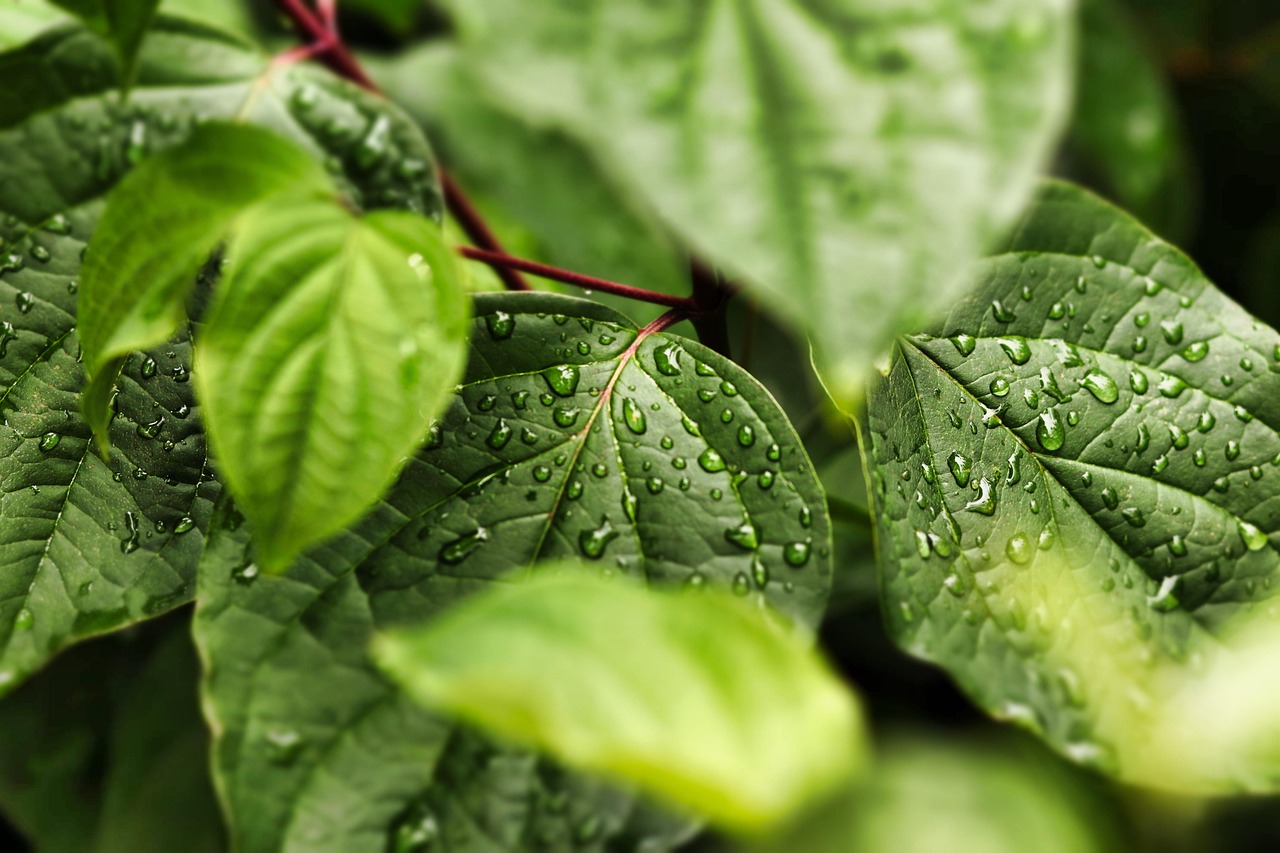
Transforming your garden into an eco-friendly paradise starts with understanding what goes into your compost bin. Every leaf, twig, and grass clipping has the potential to become nutrient-rich soil that feeds your plants naturally.

The journey toward sustainable gardening doesn’t have to be complicated. By knowing which yard waste materials break down quickly and which take longer, you can create a composting system that works efficiently for your lifestyle while reducing landfill waste and nurturing a healthier ecosystem right in your backyard.
🌱 Why a Yard Waste Compostability Database Matters
Understanding the compostability of different yard waste materials is essential for successful composting. Not all organic matter breaks down at the same rate, and some materials require specific conditions to decompose properly. A comprehensive database helps you make informed decisions about what to add to your compost pile and when to expect results.
Many gardeners struggle with composting because they lack reliable information about decomposition times and proper ratios. Some materials can actually harm your compost pile if added incorrectly, while others accelerate the process dramatically. Having access to accurate compostability data eliminates guesswork and prevents common mistakes that lead to smelly, unsuccessful compost piles.
Environmental benefits extend beyond your garden fence. When you compost yard waste at home, you’re diverting materials from landfills where they would produce methane, a potent greenhouse gas. Instead, you’re creating a closed-loop system that enriches your soil without chemical fertilizers.
Understanding Compost Categories: Greens and Browns
Successful composting relies on balancing two essential categories: nitrogen-rich “greens” and carbon-rich “browns.” This fundamental distinction helps you create the ideal environment for microorganisms to break down organic matter efficiently.
Nitrogen-Rich Green Materials 🍃
Green materials provide the protein-rich nitrogen that feeds composting microorganisms. Fresh grass clippings decompose in just 2-4 weeks when properly managed, making them one of the fastest-breaking materials. However, they should be mixed with browns to prevent matting and odor issues.
Vegetable garden trimmings, including healthy plant stalks and leaves, typically break down within 1-2 months. These materials add valuable nutrients back into your compost system. Avoid diseased plants, as some pathogens can survive the composting process and reinfect your garden.
Fresh weeds without seeds decompose quickly, usually within 3-6 weeks. Be cautious with perennial weeds like bindweed or couch grass, which can survive and regrow unless your compost pile reaches temperatures above 140°F (60°C). Annual weeds pulled before seeding pose minimal risk.
Carbon-Rich Brown Materials 🍂
Brown materials provide the energy source for composting organisms and create air pockets that prevent compaction. Dried leaves are the quintessential brown material, breaking down in 6-12 months depending on the species. Oak and magnolia leaves contain more lignin and decompose slower than maple or birch leaves.
Small twigs and prunings under half an inch in diameter typically decompose within 6-12 months. Larger woody materials can take several years unless shredded or chipped first. Many gardeners keep a separate pile for woody materials or use them as mulch paths between garden beds.
Straw and hay serve as excellent brown materials with decomposition times of 4-6 months. Straw breaks down slightly faster than hay and carries less risk of introducing weed seeds. Both materials work wonderfully for building compost volume quickly.
The Complete Yard Waste Compostability Database
This comprehensive reference guide provides decomposition timeframes and composting considerations for common yard waste materials. Use this information to plan your composting strategy and set realistic expectations for finished compost production.
| Material | Decomposition Time | Category | Special Notes |
|---|---|---|---|
| Grass Clippings | 2-4 weeks | Green | Mix with browns; avoid thick layers |
| Fallen Leaves | 6-12 months | Brown | Shred for faster decomposition |
| Garden Trimmings | 1-2 months | Green | Remove diseased material |
| Small Twigs | 6-12 months | Brown | Chop into small pieces |
| Annual Weeds | 3-6 weeks | Green | Remove before seeding |
| Pine Needles | 12-24 months | Brown | Acidic; use moderately |
| Flower Deadheads | 2-4 weeks | Green | Excellent nitrogen source |
| Wood Chips | 1-3 years | Brown | Better as mulch initially |
Accelerating Decomposition: Pro Tips for Faster Compost 🚀
Temperature management is crucial for rapid decomposition. Hot composting methods can produce finished compost in just 4-6 weeks by maintaining temperatures between 130-160°F (55-70°C). This requires building piles at least 3x3x3 feet, ensuring adequate moisture, and turning regularly to introduce oxygen.
Particle size dramatically affects breakdown speed. Shredding leaves before adding them to your pile can reduce decomposition time by half. A lawn mower with a bag attachment makes quick work of leaf shredding, while garden shredders handle larger materials efficiently.
Moisture levels should resemble a wrung-out sponge. Too dry, and decomposition slows dramatically. Too wet, and you’ll create anaerobic conditions that produce foul odors. Check moisture by squeezing a handful of compost; a few drops of water should appear without the material feeling soggy.
The Carbon-to-Nitrogen Ratio Explained
The ideal C:N ratio for composting is approximately 30:1, meaning 30 parts carbon for every 1 part nitrogen by weight. In practical terms, this translates to roughly equal volumes of green and brown materials, since browns are less dense than greens.
Adjusting your ratio solves common composting problems. A pile that smells like ammonia contains too much nitrogen; add more browns. A pile that isn’t heating up likely needs more greens to fuel microbial activity. Visual cues help you maintain balance without scientific testing.
Materials to Avoid in Your Compost Pile ⚠️
Certain yard waste materials create problems in home compost systems. Black walnut leaves and twigs contain juglone, a compound toxic to many plants. Even after composting, residual juglone can harm sensitive vegetables like tomatoes and peppers planted in soil amended with this compost.
Invasive plant materials require careful consideration. Japanese knotweed, bamboo, and similar aggressive species can regenerate from tiny fragments. Unless you maintain consistently high temperatures throughout your pile, it’s safer to dispose of these materials through municipal green waste programs.
Treated wood products, including sawdust or chips from pressure-treated lumber, contain chemicals that persist through composting and contaminate your finished product. Always verify the source of any wood-based materials before adding them to your pile.
Seasonal Composting Strategies Throughout the Year 📅
Spring generates abundant green materials as you prune perennials and clear winter debris. Balance this nitrogen-rich influx by stockpiling dried leaves from autumn or keeping a supply of wood chips. Spring is ideal for starting new hot compost piles that will be ready by summer planting season.
Summer composting focuses on maintaining moisture in hot weather. Grass clippings become plentiful, but remember they compact easily when wet. Layer thin amounts with browns and turn frequently. Consider positioning your compost bin in partial shade to prevent excessive drying.
Fall presents peak composting season with massive leaf volumes. Shred and stockpile extra leaves in breathable bags or wire bins for use throughout the year. Create lasagna-style piles alternating thick leaf layers with kitchen scraps or green materials for slow, cold composting over winter.
Winter composting continues in mild climates, though decomposition slows significantly. Insulate bins with straw bales or position them near south-facing walls for solar warmth. In cold regions, consider a tumbler-style composter that’s easier to turn in freezing weather or simply stockpile materials for spring processing.
Troubleshooting Common Composting Challenges 🔧
A compost pile that isn’t heating up typically suffers from one of three issues: insufficient size, imbalanced materials, or inadequate moisture. Rebuild the pile ensuring it reaches minimum dimensions, check your green-to-brown ratio, and adjust moisture levels as needed.
Unpleasant odors indicate anaerobic conditions caused by compaction or excessive moisture. Turn the pile immediately to introduce oxygen, and add dry brown materials to absorb excess moisture. Proper aeration prevents most odor problems before they start.
Pest problems often stem from adding inappropriate materials like meat or dairy, but yard waste piles occasionally attract rodents seeking nesting sites. Maintain a proper C:N ratio to accelerate decomposition, turn piles regularly, and consider hardware cloth barriers at the base if problems persist.
Creating Multiple Composting Systems for Maximum Efficiency
Three-bin systems allow continuous compost production by staging materials at different decomposition phases. Fill the first bin with fresh materials, turn partially decomposed material into the second bin, and harvest finished compost from the third. This rotation ensures a constant supply of ready compost.
Separate slow-composting materials like woody prunings into dedicated piles or hugelkultur mounds. These long-term carbon sinks gradually break down over years while providing moisture retention and habitat for beneficial organisms. Use them as foundations for raised beds or berm structures.
Vermicomposting complements traditional yard waste composting by processing finer materials and kitchen scraps. While not suitable for bulk yard waste, worm bins handle smaller quantities of green materials beautifully, producing nutrient-rich castings and liquid fertilizer.
Using Finished Compost to Transform Your Garden 🌻
Knowing when compost is ready prevents problems from immature material. Finished compost appears dark and crumbly, smells earthy, and contains no recognizable original materials except perhaps small wood fragments. The temperature should match ambient air, indicating active decomposition has finished.
Screening compost through half-inch hardware cloth removes larger particles that can continue decomposing in garden beds. Return these particles to your active pile for further breakdown. Screened compost works beautifully for seed starting mixes and top-dressing around delicate plants.
Application rates depend on soil condition and plant needs. Work 2-3 inches of compost into vegetable beds annually, or use as a 1-inch top-dressing around perennials and shrubs. Avoid piling compost against plant stems or tree trunks where excessive moisture promotes disease.
The Environmental Impact of Home Composting 🌍
Every ton of organic material composted at home prevents approximately 2 tons of CO2-equivalent greenhouse gases from entering the atmosphere. This calculation includes avoided methane production in landfills and reduced need for synthetic fertilizers manufactured through energy-intensive processes.
Water conservation benefits emerge as compost-enriched soil retains moisture more effectively. Gardens amended with compost require less frequent irrigation, particularly important in drought-prone regions. The improved soil structure also reduces runoff and erosion, protecting local waterways from sediment pollution.
Biodiversity flourishes in compost-enriched gardens. The increased microbial activity, earthworm populations, and soil structure support healthier plants that attract pollinators and beneficial insects. Your composting efforts create ripple effects throughout the local ecosystem.
Advanced Techniques for Serious Composters
Biochar addition to compost piles creates terra preta-style soil with exceptional nutrient retention properties. This ancient Amazonian technique involves incorporating small amounts of pure charcoal (not briquettes) into your compost. The porous biochar provides habitat for beneficial microorganisms and prevents nutrient leaching.
Compost tea brewing extracts beneficial microorganisms from finished compost, creating a liquid fertilizer and biological inoculant. While controversial among some experts regarding pathogen risks, properly brewed aerobic compost tea provides a quick nutrient boost for growing plants during peak season.
Bokashi fermentation pre-treats materials before adding them to traditional compost piles, particularly useful for breaking down tougher yard waste like thick woody stems. This anaerobic fermentation process using specific microorganisms speeds overall decomposition and reduces odor during composting.
Building Community Through Composting Initiatives 🤝
Neighborhood composting programs pool resources and knowledge while building community connections. Shared tumbler systems or large-scale bay composters handle greater volumes than individual households can process. These initiatives often partner with local governments for equipment grants or technical support.
Educational workshops transform composting knowledge into community assets. Teaching neighbors proper techniques multiplies environmental benefits while creating support networks for troubleshooting challenges. Consider organizing seasonal swap events where gardeners exchange finished compost, starter materials, and expertise.
School and community garden composting programs teach environmental stewardship to younger generations. These hands-on projects demonstrate circular economy principles while providing free soil amendments for educational gardens. The lessons learned extend far beyond gardening into broader sustainability concepts.

Embracing the Composting Lifestyle for Long-Term Success
Successful composting becomes second nature with practice and observation. Start small with materials you generate regularly, then expand your system as you gain confidence. Document what works in your specific climate and with your available materials, building personalized knowledge over time.
Seasonal rhythms align your composting activities with natural cycles, reducing effort while maximizing results. Notice which materials become available when, and plan accordingly. This mindful approach transforms composting from a chore into a meditative practice that connects you deeply with your garden’s ecosystem.
The composter’s mindset views yard waste not as disposal problems but as valuable resources. Every grass clipping, fallen leaf, and pruned branch represents future fertility for your garden. This perspective shift fundamentally changes how you interact with your landscape, fostering appreciation for natural cycles and sustainable living practices that benefit both your immediate environment and the planet as a whole.