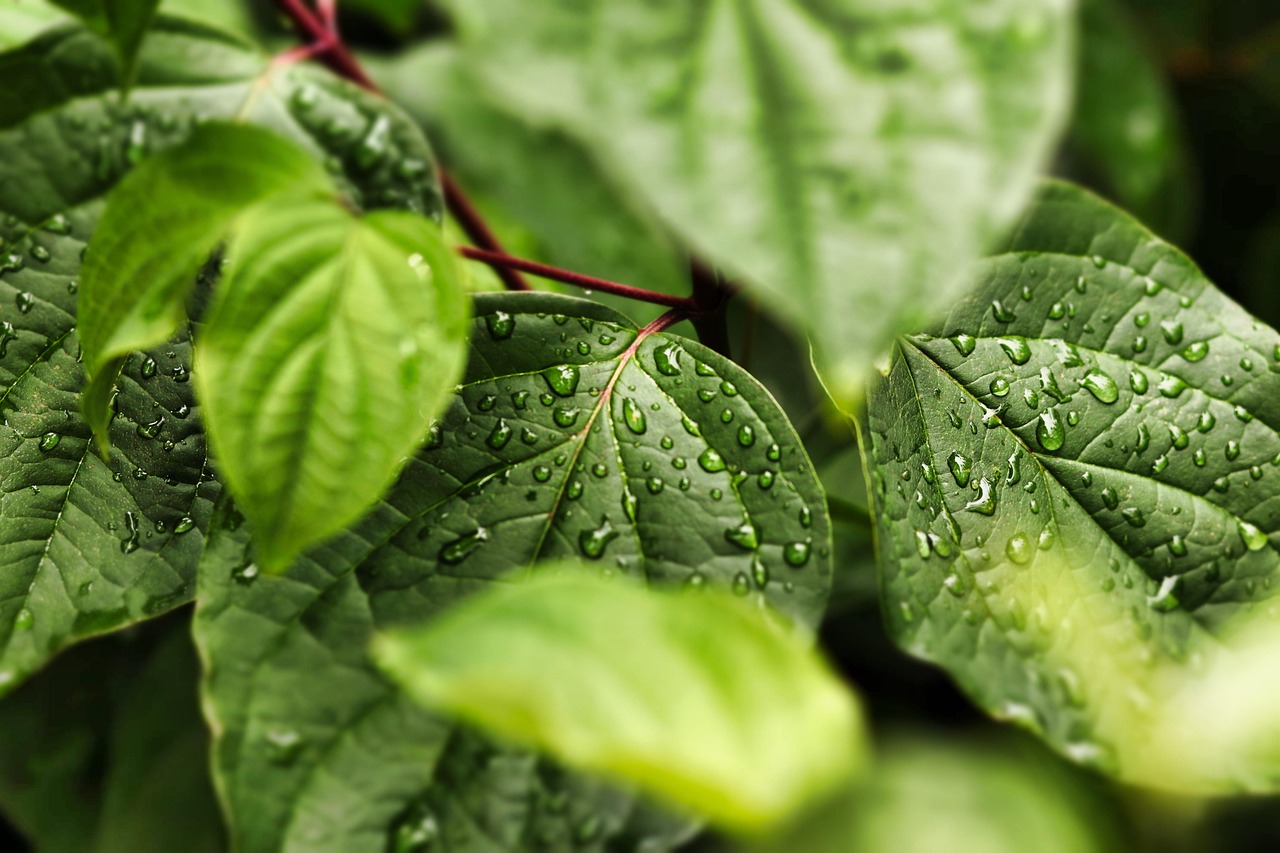
Composting bread and grains transforms kitchen waste into nutrient-rich soil amendments, reducing landfill contributions while supporting sustainable gardening practices that benefit both your garden and the environment.

Many home composters hesitate when faced with leftover bread, pasta, rice, and other grain-based foods. These carbon-rich materials present unique challenges that differ from typical fruit and vegetable scraps. Understanding the proper techniques for composting these items can revolutionize your waste reduction efforts while creating exceptional compost for your plants. The key lies in knowing how to manage moisture levels, prevent pest attraction, and maintain proper decomposition conditions that turn potential problems into composting success stories.
🌾 Why Composting Bread and Grains Matters for Environmental Sustainability
Food waste represents one of the largest contributors to methane emissions in landfills. When organic materials like bread and grains decompose without oxygen in landfill conditions, they produce methane gas—a greenhouse gas significantly more potent than carbon dioxide. By composting these materials at home, you actively reduce your carbon footprint while creating valuable soil enrichment.
Bread and grain products contain substantial amounts of carbon, nitrogen, and other nutrients that plants need to thrive. Stale bread, moldy rolls, expired pasta, and overcooked rice all possess composting potential. Rather than viewing these items as waste, consider them valuable resources waiting to be transformed into black gold for your garden beds.
The environmental benefits extend beyond methane reduction. Composting reduces the need for chemical fertilizers, conserves water through improved soil structure, and supports beneficial microorganisms that create healthy soil ecosystems. Every slice of bread you compost represents a small but meaningful contribution to a more sustainable future.
Understanding the Science Behind Grain Decomposition 🔬
Bread and grains decompose differently than typical compost materials due to their processed nature and density. These carbohydrate-rich foods break down relatively quickly when conditions are optimal, but they can create problems when mismanaged. The starches and sugars in grain products attract decomposer microorganisms rapidly, initiating fast decomposition that generates heat and moisture.
The carbon-to-nitrogen ratio in most grain products falls somewhere between 20:1 and 30:1, making them excellent “brown” materials despite often appearing as “wet” kitchen scraps. This ratio means they complement nitrogen-rich “green” materials like fresh grass clippings, coffee grounds, and vegetable scraps perfectly. Balancing these elements creates ideal conditions for microbial activity.
Moisture content plays a critical role in how effectively grains decompose. Dry bread absorbs moisture from surrounding materials, while cooked pasta or rice adds significant wetness to your pile. Understanding these characteristics allows you to adjust your composting strategy accordingly, preventing common issues like anaerobic conditions or pest problems.
Essential Preparation Techniques Before Adding Grains to Your Compost 🥖
Proper preparation dramatically increases success rates when composting bread and grains. Breaking larger items into smaller pieces accelerates decomposition by increasing surface area available to decomposer organisms. Tear bread into chunks no larger than two inches across, and separate clumped pasta or rice before adding to your bin.
Drying out extremely moist grain products before composting helps prevent soggy, anaerobic conditions. Spread cooked rice, pasta, or oatmeal on a tray for several hours or overnight, allowing excess moisture to evaporate. This simple step prevents the formation of slimy, smelly pockets within your compost pile.
Consider toasting or baking stale bread before composting to reduce moisture content further and make it less immediately attractive to pests. This extra step creates a harder texture that requires more time to soften in the pile, giving beneficial microorganisms opportunity to colonize the material before unwanted visitors arrive.
The Burial Method: Your Secret Weapon Against Pest Problems 🛡️
The most critical technique for successfully composting bread and grains involves burying these materials deep within your compost pile or bin. This strategy creates a physical barrier between attractive food sources and opportunistic pests like rodents, raccoons, and insects that might otherwise raid your composting system.
Create a depression in the center of your existing compost pile, add your grain materials, then cover thoroughly with at least 8-10 inches of brown materials like dried leaves, shredded paper, or finished compost. This layering approach masks odors that attract pests while ensuring the buried materials remain in the active decomposition zone where temperatures stay elevated.
For tumbling composters or enclosed bins, the burial method works slightly differently. Add grain materials during your regular turning schedule, ensuring they mix thoroughly with other materials rather than clumping together. The enclosed nature of these systems provides inherent pest protection, but proper mixing still prevents anaerobic pockets and promotes even decomposition.
Critical Mistakes That Sabotage Grain Composting Success ⚠️
Adding too much grain material at once ranks among the most common composting errors. Large quantities of bread or cooked grains create dense, wet masses that exclude oxygen and promote anaerobic decomposition. These conditions produce foul odors and attract pests while halting beneficial aerobic processes. Limit grain additions to no more than 10-15% of your total compost volume at any given time.
Failing to balance grain additions with adequate brown materials represents another frequent mistake. Without sufficient carbon-rich materials to absorb moisture and provide structure, grain-heavy compost becomes compacted and slimy. Maintain a ratio of approximately three parts brown materials to one part grain products for optimal results.
Composting grain products with added fats, oils, or dairy products creates serious complications. Buttered bread, cheese pizza crusts, or pasta with cream sauce decompose extremely slowly and attract pests aggressively. These additions also create water-resistant barriers within your pile that impede moisture distribution. Remove visible fats and dairy before composting, or avoid these items entirely in favor of cleaner grain materials.
Managing Moisture Levels When Composting Grains 💧
Moisture management separates successful grain composting from problematic attempts. Ideal compost maintains moisture levels similar to a wrung-out sponge—damp but not dripping. Grain products dramatically affect moisture balance, with dry bread absorbing water while cooked items contribute excess wetness.
Monitor your compost pile closely after adding grain materials, checking moisture levels several days later. If conditions appear too wet, incorporate additional brown materials like shredded cardboard, sawdust, or dried leaves. These absorbent additions wick away excess moisture while maintaining pile structure and promoting airflow.
Conversely, extremely dry grain additions may create hydrophobic pockets that resist moisture penetration. Pre-moistening very dry bread or crackers before composting helps them integrate smoothly with surrounding materials. Sprinkle water over grain additions as you layer them into your pile, ensuring even moisture distribution throughout.
Temperature Considerations and Hot Composting Grains 🌡️
Hot composting methods work exceptionally well for bread and grain materials. The elevated temperatures achieved in active hot compost piles—typically between 130-160°F—accelerate decomposition while killing weed seeds, pathogens, and deterring pests. Grain products contribute readily available energy sources that fuel the microbial activity necessary to generate these high temperatures.
Building a hot compost pile requires achieving critical mass, typically at least one cubic yard of material. Mix grain additions with fresh grass clippings, green plant materials, and manure to provide nitrogen alongside the carbon-rich grains. Turn the pile regularly to introduce oxygen and redistribute materials, maintaining active decomposition throughout the mass.
Temperature monitoring helps optimize the hot composting process. Use a compost thermometer to track internal temperatures, aiming for the sweet spot where decomposition proceeds rapidly without killing beneficial organisms. When temperatures exceed 160°F, turn the pile to prevent overheating and ensure even processing of all materials including buried grain products.
Vermicomposting with Grains: Special Considerations 🪱
Worm composting systems require modified approaches when processing bread and grains. Red wiggler worms consume grain products enthusiastically, but these materials must be introduced carefully to prevent problems in the confined worm bin environment. The intensive feeding activity that grains stimulate can quickly overwhelm small systems or create acidic conditions harmful to worms.
Limit grain additions in vermicomposting bins to very small quantities—no more than a few tablespoons per week in a standard household worm bin. Pre-process grain materials by soaking them in water until soft, then squeeze out excess moisture before adding. This preparation makes the material easier for worms to consume while preventing fermentation issues.
Bury grain additions under bedding materials in your worm bin, just as you would in traditional composting. This strategy prevents fruit flies and other pests from accessing the food while giving worms time to process it. Monitor bin conditions closely after adding grains, watching for signs of overfeeding like unpleasant odors or uneaten food accumulation.
Seasonal Strategies for Year-Round Grain Composting 🍂❄️☀️
Composting challenges and strategies shift with seasonal changes. Summer’s heat accelerates decomposition but also attracts more pests to grain materials in your compost. Increase burial depth during warm months, and consider freezing grain scraps before composting to reduce immediate odors that attract unwanted visitors.
Winter composting slows considerably in cold climates, but grain additions can actually help maintain biological activity during freezing weather. The readily available energy in grain products feeds microorganisms that generate heat through decomposition. Insulate your compost pile with extra brown materials or straw bales to retain this heat and keep the core active throughout winter months.
Spring’s moderate temperatures create ideal conditions for aggressive grain composting. Take advantage of renewed microbial activity by processing accumulated frozen grain scraps from winter storage. Layer these materials with fresh spring yard waste like grass clippings and pulled weeds, creating balanced compost batches that process efficiently.
Alternative Methods: Bokashi and Grain Fermentation 🥫
Bokashi composting offers an alternative approach particularly suited to grain-heavy kitchen waste. This fermentation method uses beneficial microorganisms to pickle organic materials in an anaerobic environment, pre-processing them before adding to traditional compost or burying in garden soil. Bokashi systems handle bread, pasta, and even grain products with fats or dairy that conventional composting cannot process effectively.
The bokashi process involves layering food scraps with specialized bran inoculated with effective microorganisms, then sealing the mixture in an airtight container for two weeks. This fermentation produces a pickled material that can be buried directly in garden beds or added to compost piles without attracting pests. The acidic nature of bokashi-processed materials decomposes rapidly once exposed to soil microorganisms.
Combining bokashi pre-processing with traditional composting creates a comprehensive waste management system. Use bokashi for problematic items like oily bread or grain dishes with sauces, while composting plain grains directly. This hybrid approach maximizes waste diversion while minimizing potential composting problems.
Troubleshooting Common Grain Composting Problems 🔧
Foul odors emanating from your compost pile often indicate anaerobic conditions created by excessive grain additions or inadequate mixing. Address this immediately by turning the pile to introduce oxygen, adding brown materials to absorb moisture, and reducing future grain quantities. Properly managed compost should smell earthy and pleasant, never putrid or rotting.
Pest invasions require swift action to prevent composting system collapse. If rodents or other animals discover grain materials in your pile, temporarily stop adding these items while reinforcing your burial techniques. Consider switching to an enclosed tumbler system or adding hardware cloth barriers around open piles to exclude larger pests.
Mold growth on grain materials in compost appears alarming but actually indicates healthy fungal activity essential to decomposition. White, gray, or even colorful molds break down complex carbohydrates and prepare materials for bacterial processing. Simply mix moldy areas into the pile during regular turning, integrating the fungal colonies throughout the compost mass.
Maximizing Compost Quality with Grain Additions 🌱
Finished compost containing processed grain materials boasts excellent texture and nutrient profiles ideal for garden applications. The carbon contribution from grains creates stable humus that improves soil structure, while residual nutrients support plant growth. Allow grain-containing compost to cure fully—typically 3-6 months after active decomposition ceases—before applying to gardens.
Test compost maturity before use by checking texture, smell, and appearance. Mature compost appears dark and crumbly with an earthy aroma and no recognizable original materials. Grain products should have decomposed completely without leaving identifiable chunks or causing ongoing decomposition that might rob nitrogen from growing plants.
Apply finished compost liberally around established plants, mix into planting holes for new additions, or spread as mulch to suppress weeds while feeding soil organisms. The balanced nutrition from properly composted grain materials supports vigorous growth without the salt buildup or nutrient imbalances associated with synthetic fertilizers.
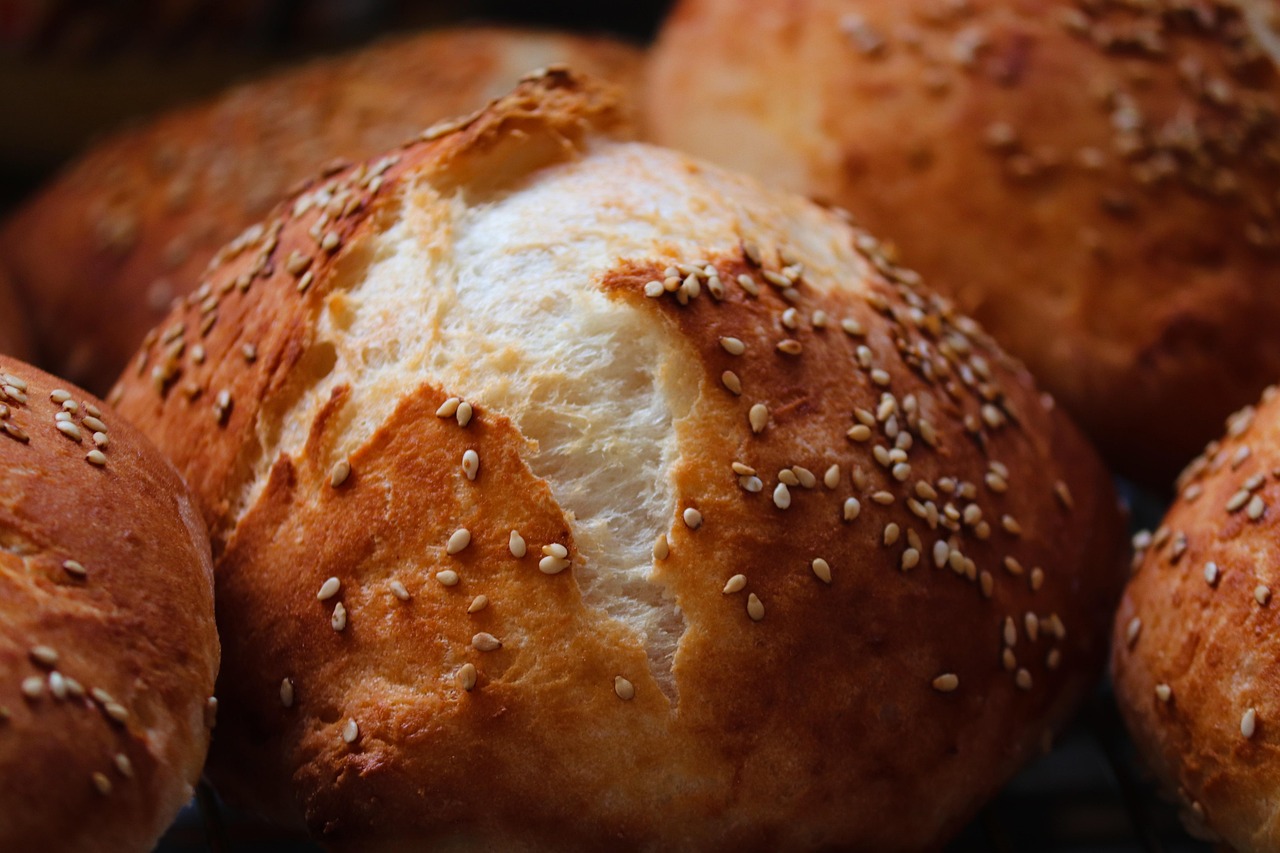
Building Long-Term Composting Habits for Maximum Impact 🌍
Successfully incorporating bread and grain composting into your routine requires establishing consistent practices that become automatic over time. Designate a covered container in your kitchen specifically for grain scraps, keeping it separate from other compost materials if necessary to remember special handling requirements. Empty this container regularly to prevent attracting pests or developing odors indoors.
Educate household members about which grain products belong in compost and which should be avoided. Clear communication prevents well-meaning family members from adding problematic items like heavily oiled breads or dairy-laden grain dishes that compromise compost quality. Create simple visual guides or checklists posted near collection areas for easy reference.
Track your composting results over time, noting what works well and what creates challenges. This personal experience guides continuous improvement in your techniques, allowing you to maximize waste diversion while producing exceptional compost. Celebrate your contributions to environmental sustainability, knowing that every grain scrap diverted from landfills represents meaningful positive impact.
Mastering grain composting transforms a common waste stream into valuable garden resources while advancing global sustainability goals. The techniques outlined here empower you to confidently process bread, pasta, rice, and other grain products without the problems that discourage many composters. By understanding proper preparation, burial methods, moisture management, and troubleshooting strategies, you turn potential composting obstacles into opportunities for creating nutrient-rich soil amendments. Your commitment to composting these challenging materials demonstrates environmental stewardship that inspires others while building healthier gardens and a more sustainable future for generations to come.