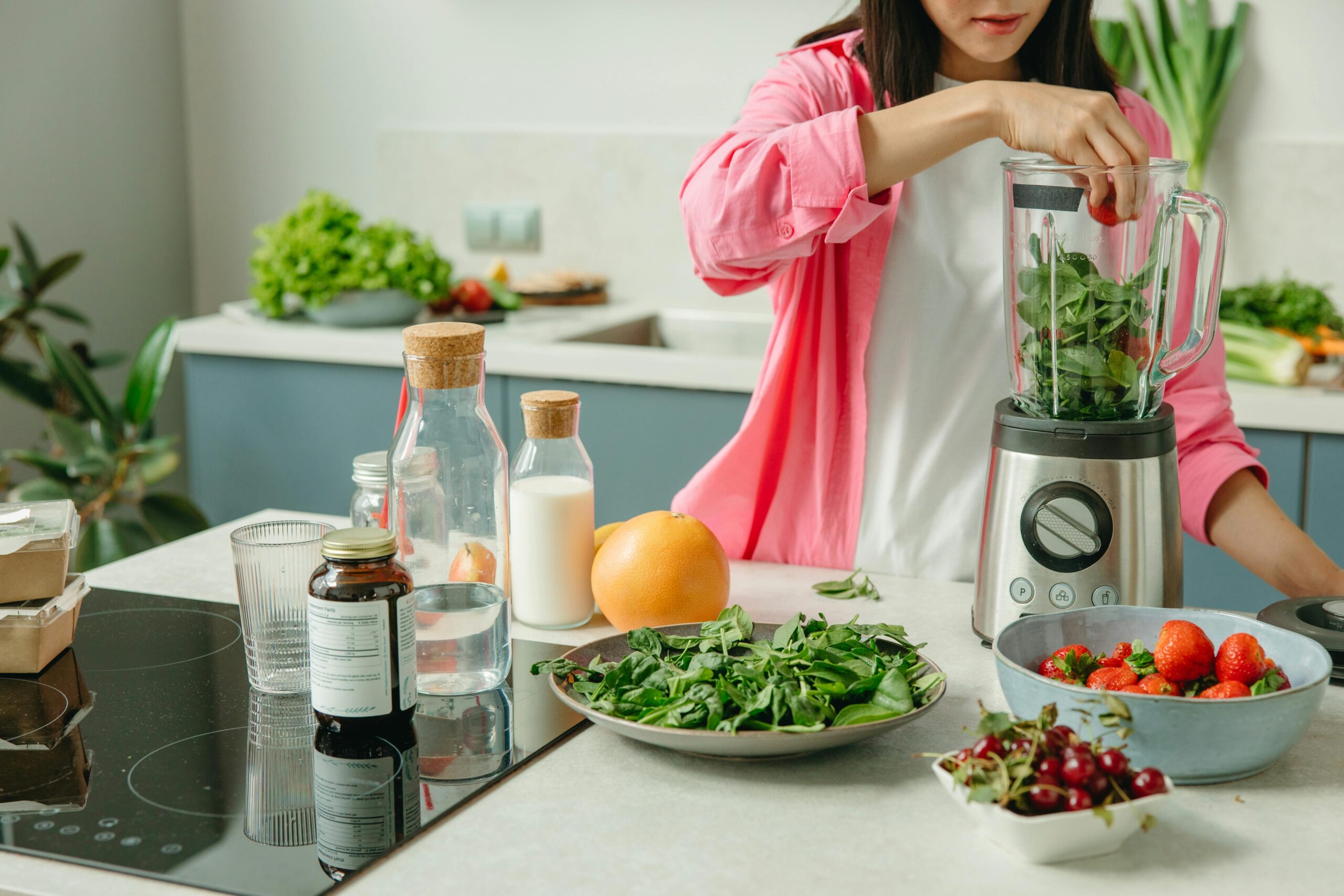
Every household produces kitchen waste daily, but what if you could turn those banana peels and coffee grounds into something valuable? Composting transforms your organic trash into nutrient-rich treasure for your garden.

The journey from waste to wealth begins in your kitchen, where everyday scraps hold the potential to revolutionize your approach to sustainability. By understanding the fundamentals of composting, you’ll discover how simple changes can create profound impacts on both your home environment and the planet. This comprehensive guide will walk you through every step of the composting process, empowering you to make a tangible difference while enriching your soil naturally.
🌱 Why Composting Kitchen Scraps Changes Everything
The average household throws away approximately 30% of food purchased, with much of it ending up in landfills where it produces methane, a greenhouse gas far more potent than carbon dioxide. When you compost kitchen scraps instead, you’re actively participating in climate change mitigation while creating a valuable resource for your garden.
Composting reduces your carbon footprint significantly while saving money on garbage disposal fees and expensive fertilizers. The nutrient-dense compost you create feeds your plants naturally, eliminating the need for chemical alternatives that can harm beneficial soil organisms and contaminate groundwater.
Beyond environmental benefits, composting connects you to natural cycles and teaches valuable lessons about decomposition, soil health, and sustainable living. Children who witness the composting process develop a deeper understanding of waste reduction and environmental stewardship from an early age.
Understanding the Science Behind Composting Success
Composting is essentially controlled decomposition facilitated by microorganisms, bacteria, fungi, and invertebrates that break down organic matter. These organisms require four essential elements: carbon, nitrogen, oxygen, and moisture. Getting the balance right determines whether your compost pile thrives or struggles.
Carbon-rich materials, often called “browns,” include dry leaves, cardboard, newspaper, and wood chips. These materials provide energy for microorganisms and create air pockets that allow oxygen circulation. Nitrogen-rich materials, known as “greens,” include kitchen scraps, grass clippings, and coffee grounds, which supply protein for microorganism reproduction and growth.
The ideal carbon-to-nitrogen ratio for hot composting ranges between 25:1 and 30:1. While you don’t need to measure precisely, a general rule suggests mixing roughly three parts browns to one part greens by volume. This balance creates optimal conditions for thermophilic bacteria that generate heat, accelerating decomposition and killing weed seeds and pathogens.
🥬 Kitchen Scraps That Make Exceptional Compost
Not all kitchen waste is created equal when it comes to composting. Understanding which materials work best helps you maximize your composting success while avoiding common pitfalls that attract pests or slow decomposition.
Green Light Kitchen Scraps
Fruit and vegetable scraps top the list of excellent composting materials. Apple cores, banana peels, citrus rinds, melon rinds, berry remnants, lettuce, broccoli stalks, carrot tops, potato peels, and pepper cores all decompose beautifully. Even moldy produce works perfectly since the decomposition process has already begun.
Coffee grounds and tea bags (remove staples and synthetic bags) add valuable nitrogen while improving soil texture. Crushed eggshells contribute calcium and help balance pH levels, though they decompose slowly. Nut shells break down gradually but add valuable carbon, while herbs and wilted flowers contribute both nutrients and pleasant earomas to your compost.
Bread, pasta, and rice can be composted in moderation, though they may attract pests if not properly buried in your compost pile. Plain popcorn, cereal, and grains work well when mixed thoroughly with other materials.
Proceed With Caution Materials
Certain kitchen scraps require special consideration before adding them to your compost. Citrus peels, while compostable, contain compounds that repel some beneficial organisms, so use them sparingly. Onion and garlic scraps can temporarily slow decomposition but ultimately break down without issues.
Cooked vegetables work fine in compost but may attract animals more readily than raw scraps. Bury them deep within your pile and cover immediately with browns. Paper towels and napkins (unbleached) compost well unless they’ve absorbed cleaning chemicals or excessive grease.
Red Light: Never Compost These Items
Meat, fish, bones, and dairy products create odor problems, attract pests, and can harbor dangerous pathogens. Oily foods and greasy scraps similarly invite unwanted visitors and slow decomposition. Pet waste contains parasites and pathogens unsuitable for garden compost.
Avoid composting diseased plants, as some pathogens survive the composting process and could infect your garden. Coal ash, treated wood, and glossy paper contain chemicals that contaminate finished compost. Synthetic materials like plastic bags, even those labeled “biodegradable,” don’t break down properly in home composting systems.
🏡 Choosing Your Composting Method
Your living situation, available space, and lifestyle determine which composting approach works best for you. Each method offers unique advantages and challenges worth considering before you begin.
Traditional Outdoor Composting Bins
Standard compost bins work excellently for homeowners with yard space. These containers keep materials contained while providing adequate aeration and moisture retention. You can purchase manufactured bins or build simple structures from wood pallets or wire fencing.
Three-bin systems allow you to rotate compost through stages: fresh materials in the first bin, active composting in the second, and finished compost in the third. This method produces large quantities of high-quality compost but requires space and regular maintenance.
Tumbling Composters for Quick Results
Rotating drum composters accelerate decomposition by making aeration effortless. Simply turn the drum every few days to mix contents and introduce oxygen. These enclosed systems minimize pest problems and produce finished compost in as little as four to six weeks.
Tumblers work well for small to medium households but have limited capacity. They’re ideal for urban and suburban settings where space is premium and aesthetics matter.
Vermicomposting: Let Worms Do the Work
Worm composting transforms kitchen scraps into nutrient-rich castings using red wiggler worms. This method works indoors or outdoors, making it perfect for apartment dwellers. Worm bins require minimal space, produce no odor when properly maintained, and create exceptional plant fertilizer.
Vermicomposting processes materials faster than traditional methods and produces both solid compost and liquid “worm tea” fertilizer. However, worms have temperature sensitivities and specific feeding requirements that demand attention.
Bokashi Fermentation Systems
Bokashi composting uses beneficial microorganisms to ferment kitchen waste, including items typically excluded from traditional composting like meat and dairy. This anaerobic process occurs in sealed buckets, producing no odor and working year-round indoors.
The fermented material requires burial in soil or mixing with traditional compost to complete decomposition. Bokashi works exceptionally well for urban dwellers with limited outdoor space who want to compost all kitchen waste.
🔧 Setting Up Your Kitchen Scrap Collection System
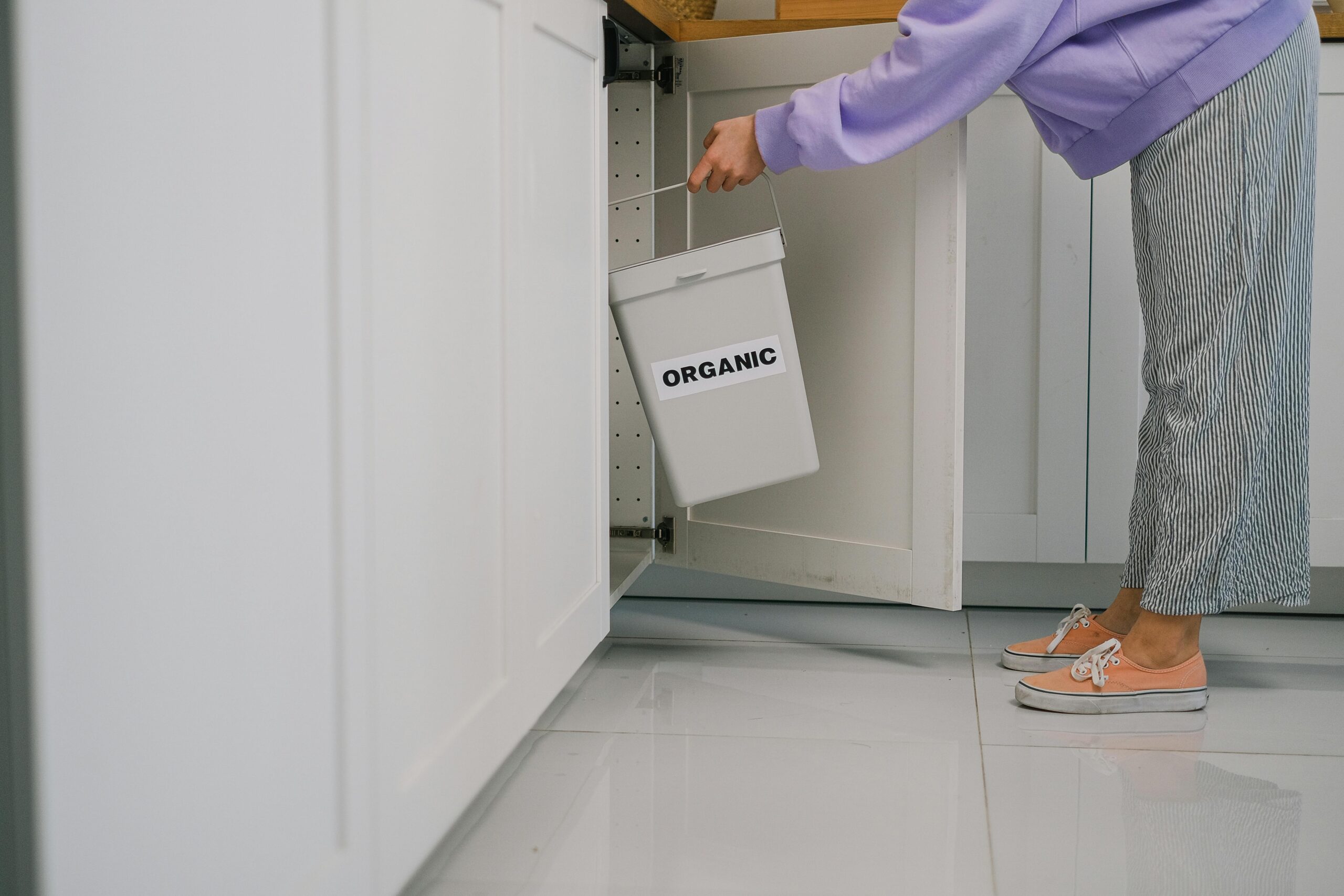
Efficient kitchen composting begins with a convenient collection system that makes saving scraps effortless. A countertop compost container with a tight-fitting lid stores scraps between trips to your outdoor bin or indoor worm system.
Choose containers with charcoal filters to neutralize odors, or empty your collection bucket daily to prevent smell issues. Stainless steel and ceramic containers clean easily and look attractive on countertops, while simple ice cream tubs work perfectly if aesthetics aren’t a concern.
Keep your collection container near food preparation areas to encourage consistent use. Line it with newspaper or compostable bags for easy emptying, or rinse it directly into your compost pile. Store a small container of browns near your collection bin to layer with wet scraps, reducing moisture and odors.
Maintaining Your Compost for Optimal Results
Successful composting requires attention to moisture, aeration, and material balance. Your compost should feel like a wrung-out sponge—moist but not waterlogged. Too much moisture creates anaerobic conditions that produce foul odors, while excessive dryness halts decomposition.
Turn or mix your compost regularly to introduce oxygen and distribute moisture evenly. Hot composting requires turning every few days, while passive methods need attention only every few weeks. Each time you add kitchen scraps, cover them with browns to maintain balance and discourage pests.
Monitor your compost’s temperature if pursuing hot composting. Internal temperatures should reach 135-160°F during active decomposition, killing weed seeds and pathogens. If temperatures drop, add more nitrogen-rich greens and ensure adequate moisture and aeration.
Troubleshooting Common Composting Challenges
When your compost smells like ammonia, you’ve added too many nitrogen-rich materials. Remedy this by mixing in additional carbon-rich browns and turning the pile to increase aeration. Rotten egg odors indicate anaerobic conditions caused by excess moisture or compaction—add dry browns and turn thoroughly.
Pests signal that food scraps aren’t properly buried or your bin lacks security. Bury fresh additions under several inches of existing compost and browns, and ensure your bin has adequate protection against rodents and raccoons. Fruit flies indicate overly wet conditions or exposed fruit—cover additions well and reduce moisture.
If decomposition stalls, your pile may be too dry, too small, or lacking nitrogen. Add water until materials feel moist, increase pile size to generate heat, or incorporate fresh grass clippings or kitchen scraps to boost nitrogen levels.
💚 Harvesting and Using Your Finished Compost
Finished compost looks dark and crumbly, smells earthy, and contains no recognizable food scraps. The transformation typically takes three to six months for hot composting or six to twelve months for passive methods. Vermicomposting produces usable castings in as little as two to three months.
Harvest compost by screening it through hardware cloth or simply removing finished material from the bottom of your bin. Some partially decomposed materials are normal—return these to your active pile to continue breaking down.
Use finished compost as a soil amendment by mixing it into garden beds before planting. Apply it as a top dressing around established plants, or create compost tea by steeping it in water for a powerful liquid fertilizer. Seed-starting mixes benefit from screened compost additions, and container gardens thrive when compost comprises 25-30% of the potting mix.
Advanced Composting Strategies for Maximum Impact
Once you’ve mastered basic composting, advanced techniques can increase production and quality. Shredding or chopping materials before adding them to your pile dramatically accelerates decomposition by increasing surface area for microorganisms to colonize.
Create compost activators from finished compost, garden soil, or commercial products to inoculate new piles with beneficial microorganisms. Layer materials lasagna-style, alternating greens and browns in distinct layers, to ensure proper distribution and moisture retention.
Experiment with specialized composting approaches like leaf mold, which transforms fallen leaves into a fantastic soil conditioner over 12-18 months. Hot composting accelerates the process but requires more effort, while cold composting offers a hands-off approach for patient gardeners.
🌍 The Ripple Effects of Your Composting Efforts
Your individual composting efforts contribute to solving multiple environmental challenges simultaneously. By diverting organic waste from landfills, you reduce methane emissions, conserve landfill space, and decrease the energy required for waste transportation and processing.
The compost you create replaces synthetic fertilizers whose production consumes fossil fuels and contributes to water pollution through agricultural runoff. Healthy, compost-enriched soil sequesters carbon, helping mitigate climate change while supporting diverse soil ecosystems that enhance plant health and resilience.
Communities embracing composting culture inspire neighbors and friends to adopt similar practices, creating cascading positive impacts. Sharing your composting knowledge and excess finished compost spreads sustainable practices throughout your community, transforming collective trash into collective treasure.
Teaching Your Household to Compost Successfully
Getting everyone in your home invested in composting success requires clear communication and simple systems. Label your kitchen collection container clearly and post visual guides showing what items belong in compost versus trash or recycling.
Make composting fun for children by letting them add scraps to the bin, turn the pile, or search for worms and other decomposers. Create games or challenges around collecting scraps, and let kids witness the transformation from garbage to garden gold firsthand.
Track your composting impact by monitoring how much waste you divert from trash collection and measuring improvements in your garden’s health and productivity. Celebrate milestones like filling your first bin, harvesting your first batch of finished compost, or achieving zero kitchen waste weeks.
🎯 Scaling Your Composting Ambitions
As your composting confidence grows, consider expanding your efforts beyond kitchen scraps. Partner with neighbors to establish shared community composting systems that process larger volumes efficiently. Many coffee shops, restaurants, and juice bars happily donate their organic waste to dedicated composters.
Advocate for municipal composting programs if your area lacks them, presenting evidence of environmental and economic benefits. Support local farmers and gardeners by donating excess finished compost or sharing your knowledge through workshops and social media.
Your composting journey transforms trash into treasure while reconnecting you to natural cycles and sustainable living principles. Every banana peel, coffee ground, and vegetable scrap diverted from the landfill represents a small victory for the planet and your garden. The rich, dark compost you create feeds plants naturally, builds soil health, and closes the loop on kitchen waste, proving that the most valuable resources often hide in plain sight among the things we typically throw away.
Start small, stay consistent, and watch as your composting efforts flourish into a cornerstone of your greener, healthier home. The treasure you create from today’s trash will nourish tomorrow’s garden, sustaining both your household and the environment for years to come.