Every day, thousands of nut shells and fruit pits end up in trash bins, destined for landfills where they’ll take years to decompose. But what if these kitchen scraps could transform into nutrient-rich compost for your garden?

Composting harder organic materials like walnut shells, peach pits, and avocado seeds might seem challenging at first, but with the right techniques, these seemingly stubborn waste products can become valuable additions to your composting system. Understanding how to properly break down these materials not only reduces household waste but also enriches your soil with slow-release nutrients that benefit plants for extended periods.
🌰 Why Nut Shells and Pits Are Composting Superstars
Nut shells and fruit pits represent a largely untapped resource in home composting. These carbon-rich materials offer unique benefits that standard compost ingredients often lack. Their dense structure means they break down slowly, providing long-term aeration to compost piles and preventing compaction that can lead to anaerobic conditions.
Unlike softer organic materials that decompose within weeks, shells and pits can take months or even years to fully break down. This extended decomposition timeline creates a sustained release of nutrients into your soil, functioning like a time-release fertilizer that continues feeding plants long after application.
The hardness that makes these materials challenging also makes them valuable. As they gradually decompose, they improve soil structure, enhance drainage in clay soils, and increase water retention in sandy soils. This dual benefit makes them particularly valuable for gardeners dealing with difficult soil conditions.
Understanding the Science Behind Hard Material Composting
The key to successfully composting nut shells and pits lies in understanding their composition. These materials are primarily made of lignin and cellulose, the same compounds found in wood. Lignin is one of the most resistant organic substances to decomposition, which explains why these materials persist so long in compost piles.
Decomposition of these hard materials requires specific microorganisms, particularly lignin-degrading fungi and certain bacteria species. These organisms need the right environmental conditions: adequate moisture, oxygen, nitrogen sources, and time. Without these elements in proper balance, shells and pits will simply sit in your compost pile unchanged for years.
Temperature also plays a crucial role. Hot composting methods, which maintain temperatures between 130-150°F (55-65°C), can significantly accelerate the breakdown of harder materials. At these temperatures, microbial activity increases dramatically, and the physical structure of shells and pits begins to soften and fragment more readily.
The Carbon-to-Nitrogen Ratio Challenge
Nut shells and pits are extremely high in carbon, with ratios often exceeding 100:1 or even 200:1. Ideal composting requires a carbon-to-nitrogen ratio of approximately 30:1. This means you’ll need to balance these materials with nitrogen-rich ingredients like grass clippings, food scraps, or manure to achieve optimal decomposition rates.
Without adequate nitrogen, the microorganisms responsible for breaking down these tough materials simply cannot multiply in sufficient numbers to do their work effectively. This is why shells and pits added to nitrogen-poor compost piles can persist seemingly forever.
Which Shells and Pits Are Compost-Friendly? 🥜
Not all nut shells and fruit pits are created equal when it comes to composting. Some break down relatively easily, while others require special consideration or extended processing times.
Best Choices for Composting
- Peanut shells: These are among the fastest to decompose, often breaking down within 6-12 months in active compost. They’re lightweight and have a relatively softer structure compared to tree nuts.
- Pistachio shells: Thinner and more brittle than most other nut shells, pistachios decompose in 1-2 years with proper processing.
- Sunflower seed hulls: These break down quickly, usually within 3-6 months, and add excellent texture to compost.
- Peach and plum pits: While hard, these pits split more easily when processed and can decompose in 2-3 years.
- Cherry pits: Smaller size means faster decomposition, typically within 2 years in active compost.
More Challenging Materials
- Walnut shells: Extremely hard and contain juglone, a compound that can inhibit plant growth. Best composted separately or in small quantities, requiring 2-3 years for full decomposition.
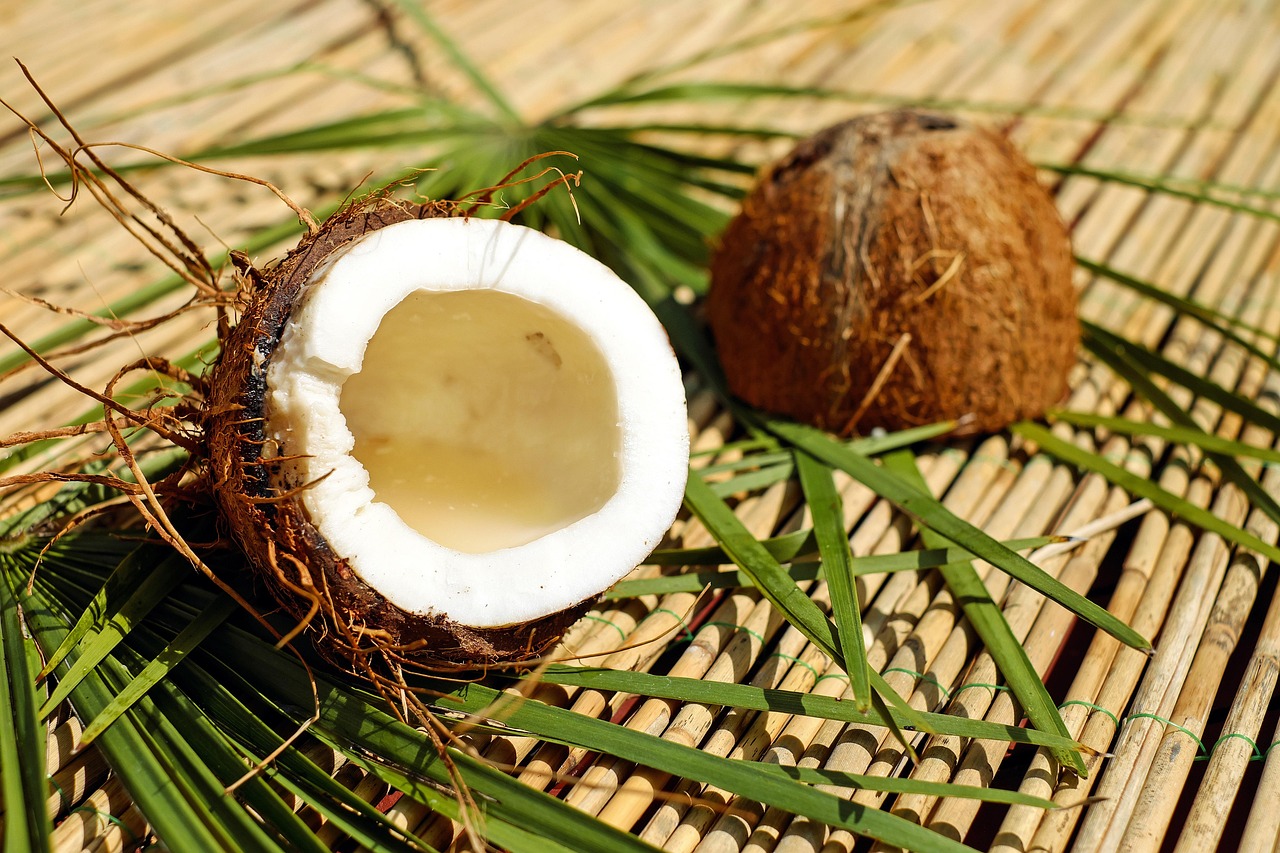
- Coconut shells: These can take 5-10 years to fully decompose due to their thickness and fibrous nature.
- Avocado pits: Dense and large, these require 3-5 years in standard composting conditions.
- Macadamia shells: Among the hardest of all nut shells, potentially requiring 3-4 years even with processing.
- Brazil nut shells: Thick and woody, these need extensive breaking and 2-3 years to decompose.
Preparation Techniques That Make All the Difference
The single most important step in composting hard materials is mechanical processing before adding them to your compost pile. Breaking shells and pits into smaller pieces dramatically increases surface area, allowing microorganisms access to more of the material and accelerating decomposition by months or even years.
Crushing and Grinding Methods
For small quantities, a hammer and sturdy bag work remarkably well. Place shells or pits in a heavy-duty canvas bag or wrap them in an old towel, then strike repeatedly with a hammer until pieces are approximately quarter-inch in size or smaller. This low-tech method requires minimal investment and works for most home composters.
A heavy-duty blender or food processor can pulverize softer shells like peanuts or pistachios into coarse powder. However, avoid using your regular kitchen blender, as harder shells can damage blades. Dedicated grain mills or hand-crank nut grinders provide more control and durability for regular processing.
For serious composters dealing with large volumes, a chipper-shredder designed for woody materials can process even the hardest shells efficiently. These machines are investments but pay dividends if you regularly compost substantial quantities of hard organic materials.
The Pre-Soaking Strategy
Soaking shells and pits in water for 24-48 hours before crushing makes them significantly easier to break apart. The water penetrates the material’s structure, softening it and making it more susceptible to mechanical breakdown. For even better results, soak materials in a nitrogen-rich liquid like diluted urine (1:10 ratio) or compost tea, which simultaneously initiates microbial colonization.
Some composters practice freeze-thaw cycling, where soaked materials are frozen and then thawed repeatedly. This process causes water within the material to expand and contract, creating micro-cracks that facilitate both crushing and subsequent decomposition.
Building Your Shell and Pit Compost System 🛠️
Successfully composting hard materials requires a slightly different approach than standard composting. While you can add processed shells and pits to existing compost piles, creating a dedicated system often yields better results.
The Layering Technique
Create alternating layers of crushed shells or pits with nitrogen-rich materials. A good rule of thumb is 2-3 inches of processed hard materials followed by 4-6 inches of green materials like grass clippings, vegetable scraps, or coffee grounds. This ensures adequate nitrogen availability for microbial populations.
Add a layer of finished compost or garden soil every 12-18 inches. This introduces the full spectrum of decomposer organisms, including the specialized fungi that excel at breaking down lignin-rich materials. Think of this as inoculating your compost with the specific microorganisms needed for the job.
Moisture Management
Hard materials tend to shed water rather than absorb it, so maintaining proper moisture levels requires attention. Your compost should feel like a wrung-out sponge throughout. When adding dry shells or pits, pre-moisten them or ensure the surrounding materials are adequately moist to compensate.
During dry periods, water your shell-rich compost more frequently than standard piles. The hard materials act as drainage channels, allowing water to flow through quickly rather than being absorbed. Consider covering the pile with a tarp during heavy rains to prevent nutrient leaching while maintaining moisture during dry spells.
Turning and Aeration
Turn compost containing shells and pits more frequently than standard compost—at least every 2-3 weeks. This regular disturbance brings oxygen to anaerobic zones, redistributes moisture, and moves partially decomposed materials from cooler exterior zones into the hot center where decomposition accelerates.
The hard materials themselves provide permanent air channels within the compost structure. This means even as other materials break down and compact, shells and pits maintain pathways for oxygen flow, reducing the risk of anaerobic conditions that cause foul odors.
Accelerating Decomposition: Advanced Techniques
For those seeking faster results, several advanced methods can cut decomposition time by 50% or more compared to standard composting approaches.
Bokashi Pre-Treatment
Bokashi composting uses beneficial microorganisms to ferment organic materials before traditional composting. Pre-treating crushed shells and pits through bokashi fermentation for 2-4 weeks initiates decomposition and softens materials. The acidic conditions created during bokashi fermentation help break down lignin structures, making subsequent decomposition much faster.
After bokashi treatment, bury the fermented materials in your compost pile or directly in garden soil. The combination of fermentation and continued composting can reduce total decomposition time by 40-60% compared to untreated materials.
Hot Composting Methods
Berkeley hot composting, which maintains temperatures above 135°F for extended periods, dramatically accelerates hard material breakdown. This requires building a large pile (minimum 3 feet × 3 feet × 3 feet), proper carbon-nitrogen balance, adequate moisture, and frequent turning.
In hot compost conditions, even tough materials like walnut shells can show significant decomposition within 6-12 months. The sustained high temperatures break down lignin more effectively and support populations of thermophilic organisms that excel at processing difficult materials.
Worm Composting Considerations
Vermicomposting can work with very finely ground shells and pits. Worms cannot directly consume hard materials, but they readily eat the microorganisms growing on surfaces. Extremely fine particles (almost powder consistency) processed through a traditional compost system for 3-6 months can then be added to worm bins, where worms will gradually process them further.
Add only small amounts—no more than 10% of total worm bin volume—and ensure particles are no larger than coarse sand. Larger pieces can persist indefinitely in worm bins and may irritate worm populations.
Troubleshooting Common Challenges 🔧
Shells Not Breaking Down
If shells or pits remain unchanged after 6-12 months, the issue typically involves insufficient processing, inadequate nitrogen, or moisture problems. Remove persistent pieces, crush them more finely, and return them to an active compost section with fresh nitrogen-rich materials.
Walnut Shell Toxicity
Juglone from walnut shells can inhibit tomato, pepper, and some other plant growth. Composting for at least 6 months neutralizes most juglone, but sensitive gardeners should compost walnut materials separately and use the finished product only around juglone-tolerant plants, or extend composting to 12-18 months for complete breakdown.
Pest Attraction
Nut residues can attract rodents and squirrels. Ensure shells are cleaned of all nut meat before composting, bury them in the center of piles rather than leaving them on surfaces, and consider hardware cloth barriers around compost bins if pest pressure is high.
Using Your Finished Shell-Enriched Compost 🌱
Compost containing partially decomposed shells and pits offers unique benefits. Even pieces that haven’t fully broken down continue improving soil structure for months or years after application.
Use shell-rich compost as a mulch around trees, shrubs, and perennials where long-term soil improvement matters more than immediate nutrient availability. The slow decomposition provides sustained benefits, and remaining fragments improve drainage and aeration.
For vegetable gardens, screen finished compost to remove large pieces if desired. However, many gardeners find that leaving fragments in place causes no problems and provides ongoing benefits as they continue decomposing in garden soil.
Apply shell-enriched compost at slightly higher rates than standard compost—3-4 inches rather than 2-3 inches—since a portion of the volume consists of materials still undergoing decomposition. This accounts for continued breakdown and settling after application.
Beyond the Bin: Creative Uses for Shells and Pits
While composting is excellent, some shells and pits can serve immediate garden purposes before eventual decomposition.
Larger shells make effective direct mulch around acid-loving plants like blueberries and azaleas. They suppress weeds, retain moisture, and slowly acidify soil as they decompose. A 2-3 inch layer provides season-long benefits.
Crushed shells mixed with gravel create permeable pathways that allow water penetration while preventing muddy conditions. The organic component gradually breaks down, but the pathway remains functional for 2-3 years before requiring replenishment.
Whole pits placed at the bottom of deep containers improve drainage while reducing the amount of potting soil needed. As they slowly decompose, they release nutrients directly into the root zone.
Environmental Impact: The Bigger Picture 🌍
Composting nut shells and fruit pits represents more than just reducing household waste. Americans discard approximately 35 million tons of food waste annually, and while shells and pits represent a small fraction, every bit diverted from landfills matters.
In landfills, organic materials decompose anaerobically, producing methane—a greenhouse gas 25 times more potent than carbon dioxide. By composting these materials, you prevent methane generation while creating a product that sequesters carbon in soil, providing a double environmental benefit.
The slow-release nature of nutrients from decomposing shells reduces the need for synthetic fertilizers, which require significant energy to produce and can contribute to water pollution through runoff. This makes shell and pit composting part of a broader sustainable gardening philosophy.
Making It a Sustainable Habit
Successfully incorporating shells and pits into your composting routine requires establishing simple systems. Keep a designated container in your kitchen for these materials, separate from your regular compost collector. When it fills, spend 10-15 minutes processing the contents—crushing, soaking, or grinding as needed—then add them to your compost.
Schedule processing sessions monthly rather than attempting to handle each shell or pit individually. This batch approach is more efficient and ensures you maintain momentum rather than becoming overwhelmed.
Track which materials decompose fastest in your specific system. Regional climate, compost management style, and processing methods all influence results. Over time, you’ll develop intuition about what works best in your situation.
Consider partnering with neighbors or local coffee shops that generate shells and pits but lack composting systems. Collecting these materials builds community connections while increasing the environmental impact of your composting efforts.
The transformation of nut shells and fruit pits from kitchen waste to garden gold exemplifies the circular economy principle where nothing is truly waste—just resources waiting for proper processing. With patience, proper technique, and consistent effort, these challenging materials become valuable assets in creating healthy, productive soil. Your garden will thrive on the slow-release nutrients and improved structure these materials provide, while you’ll enjoy the satisfaction of maximizing your household’s sustainability and minimizing your environmental footprint. Every shell and pit you compost represents a small victory for both your garden and the planet.