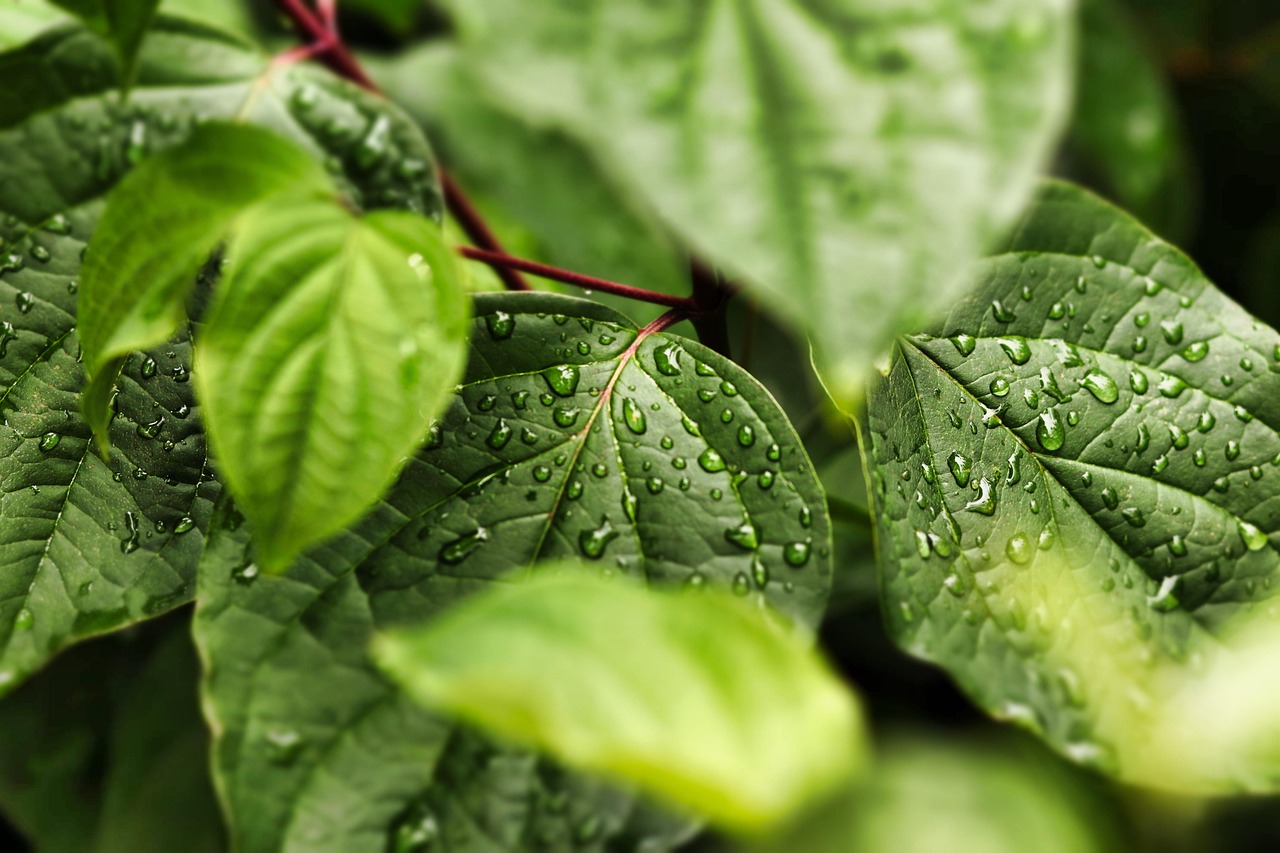
Wood ash has been a gardener’s secret weapon for centuries, offering a wealth of nutrients and benefits that can transform your compost and garden soil into a thriving ecosystem.

Whether you have a wood-burning stove, fireplace, or outdoor fire pit, you’re sitting on a goldmine of gardening potential. Rather than discarding this byproduct, understanding how to properly use wood ash can significantly improve your composting efforts and create healthier, more productive gardens. The key lies in knowing the right amounts, application methods, and timing to maximize benefits while avoiding potential pitfalls that can harm your plants.
🔥 Understanding What Makes Wood Ash Valuable for Gardens
Wood ash is rich in essential nutrients that plants need to thrive. When wood burns completely, it leaves behind concentrated minerals that were originally absorbed by the tree during its growth. The primary component is calcium carbonate, which makes up approximately 25-45% of wood ash composition, making it an excellent liming agent for acidic soils.
Beyond calcium, wood ash contains potassium (potash), one of the three major nutrients plants require, typically ranging from 3-7% of its content. This potassium exists in a water-soluble form that plants can readily absorb. Additionally, wood ash provides phosphorus, magnesium, aluminum, sodium, and trace elements like zinc, copper, and manganese that contribute to overall plant health and development.
The alkaline nature of wood ash, with a pH typically between 9 and 13, makes it particularly useful for neutralizing acidic soils. This characteristic is especially beneficial for gardeners dealing with soil that has become too acidic over time due to heavy rainfall, decomposition of organic matter, or the use of acidic fertilizers.
⚠️ Important Safety Considerations Before Using Wood Ash
Not all wood ash is created equal, and some types can be harmful to your garden. Only use ash from untreated, unpainted, and unstained wood. Treated lumber, plywood, particleboard, and painted wood contain chemicals, heavy metals, and adhesives that can contaminate your soil and potentially enter your food chain.
Avoid using ash from coal, charcoal briquettes, or any materials that aren’t pure wood. These contain substances that are toxic to plants and soil organisms. Similarly, ash from wood that has been pressure-treated or chemically preserved should never be used in gardens, especially vegetable gardens.
Always handle wood ash with care. The fine particles can irritate eyes, skin, and respiratory passages. Store ash in a metal container with a tight-fitting lid, as it can retain heat for several days after removal from the fire source. Never use ash until it has completely cooled, and always keep it dry until you’re ready to apply it, as wet ash becomes caustic.
🌱 How Wood Ash Transforms Your Compost Pile
Adding wood ash to your compost pile can accelerate decomposition and improve the final product’s nutritional value. The alkaline nature of ash helps neutralize the acidity that naturally develops during the composting process, creating a more balanced environment for beneficial microorganisms.
Wood ash provides a quick carbon source and minerals that feed composting bacteria, speeding up the breakdown of organic materials. The potassium content is particularly valuable, as most compost materials are relatively low in this essential nutrient. By incorporating ash, you create a more complete fertilizer that addresses multiple plant needs.
However, moderation is crucial when adding ash to compost. Too much can make your compost excessively alkaline, which inhibits decomposition and can harm acid-loving plants. A general rule is to add no more than one five-gallon bucket of ash per cubic yard of compost material, or approximately a thin layer every 6-8 inches of compost material.
Best Practices for Incorporating Ash into Compost
Sprinkle wood ash in thin layers throughout your compost pile rather than adding it all at once. This ensures even distribution and prevents alkaline pockets that could slow decomposition. Mix it thoroughly with other materials, particularly high-nitrogen “green” materials like grass clippings or kitchen scraps, which help balance the carbon content.
Time your ash additions strategically throughout the composting process. Adding small amounts regularly as you build your pile works better than incorporating large quantities infrequently. This approach maintains consistent pH levels and provides steady nutrient availability for decomposing organisms.
Monitor your compost’s moisture level after adding ash, as it can have a drying effect. If the pile seems too dry, water it lightly to maintain the ideal moisture content comparable to a wrung-out sponge. This ensures that decomposition continues at an optimal rate.
🌿 Direct Garden Application: Methods and Timing
Applying wood ash directly to garden beds can provide immediate benefits, but proper technique is essential. The best time for application is during late winter or early spring, several weeks before planting. This allows the ash to integrate with the soil and moderate its pH-raising effects before sensitive plant roots encounter it.
Spread ash evenly across the soil surface at a rate of approximately 10-15 pounds per 1,000 square feet, or about one five-gallon bucket for every 50-100 square feet. This translates to roughly a dusting that barely covers the soil surface. Less is definitely more when it comes to wood ash application.
Work the ash into the top 6 inches of soil using a rake or cultivator. This prevents it from forming a crust on the soil surface and ensures better distribution throughout the root zone. Avoid leaving concentrated piles or thick layers, as these can create excessively alkaline zones that repel water and damage plant roots.
Which Plants Benefit Most from Wood Ash
Certain plants particularly appreciate wood ash applications. Vegetables in the brassica family—including broccoli, cabbage, cauliflower, and Brussels sprouts—thrive with the additional calcium and prefer slightly alkaline conditions. These crops also benefit from ash’s ability to deter certain soil-dwelling pests.
Fruiting plants like tomatoes, peppers, and eggplants benefit from the potassium boost that wood ash provides, which supports flower and fruit development. Root vegetables such as carrots, beets, and turnips also respond positively to moderate ash applications, developing stronger, more flavorful roots.
Perennial crops including asparagus, rhubarb, and many herbs prefer the alkaline conditions that wood ash creates. Lawn grasses also benefit from wood ash, particularly in acidic soil conditions, as the calcium and potassium support robust growth and disease resistance.
Plants That Don’t Appreciate Wood Ash 🚫
Acid-loving plants should never receive wood ash applications. Blueberries, azaleas, rhododendrons, and heathers require acidic soil conditions to thrive, and wood ash can raise pH to levels that cause nutrient deficiencies and poor growth in these species.
Potatoes present a special case. While they can tolerate wood ash in moderation, excessive applications can promote scab disease, a cosmetic condition that affects potato skin. If you grow potatoes, skip the ash in those beds or use it very sparingly several months before planting.
Other acid-preferring edibles include strawberries, raspberries, and many fruit trees. Check the pH preferences of your specific plants before applying wood ash, and conduct soil tests to ensure you’re not inadvertently creating unsuitable growing conditions.
📊 Testing and Monitoring Your Soil pH
Before adding wood ash to your garden or compost, test your soil pH to determine if ash application is appropriate. Most vegetables prefer a pH between 6.0 and 7.0, while many ornamentals tolerate a wider range. If your soil already has a pH above 7.0, adding wood ash could create overly alkaline conditions.
Home soil test kits are inexpensive and readily available at garden centers. For more detailed analysis, send samples to your local agricultural extension office, which can provide comprehensive information about pH, nutrient levels, and amendment recommendations specific to your soil type and growing goals.
Retest your soil annually, especially if you regularly add wood ash or other pH-modifying amendments. Soil chemistry changes over time due to rain, plant uptake, microbial activity, and various inputs. Regular testing helps you maintain optimal conditions and adjust your amendment strategy accordingly.
💡 Creative Uses Beyond Traditional Composting
Wood ash’s benefits extend beyond compost piles and garden beds. Sprinkle a thin line of ash around plants to deter slugs and snails, which avoid crossing the alkaline, abrasive barrier. Reapply after rain, as water diminishes its effectiveness.
Create an ash “tea” by steeping one pound of ash in five gallons of water for several days, then straining and using the liquid as a foliar feed or soil drench. This provides a quick potassium boost during fruiting periods, though it should be used sparingly to avoid pH imbalances.
Mix wood ash with water to create a paste for treating small wounds on pruned trees and shrubs. The alkalinity discourages fungal infections while the paste seals the wound. However, modern arboricultural practices often recommend leaving cuts untreated, so use this method judiciously.
Wood Ash for Lawn Care 🏡
Lawns growing in acidic soil benefit from light wood ash applications. Spread no more than 10 pounds per 1,000 square feet once annually, preferably in early spring. The calcium promotes strong cell structure, while potassium enhances drought tolerance and disease resistance.
Apply ash to lawns only after testing confirms acidic conditions. Most lawn grasses prefer pH levels between 6.0 and 7.0. Excessive alkalinity caused by overapplication can lead to iron and manganese deficiencies, resulting in yellowing grass despite adequate fertilization.
Water the lawn thoroughly after applying ash to help it incorporate into the soil and prevent it from blowing away. Alternatively, apply ash just before predicted rainfall, allowing nature to water it in naturally.
⚖️ Understanding the Risks of Overuse
The most common mistake gardeners make with wood ash is applying too much. Excessive ash raises soil pH too high, making essential nutrients like iron, manganese, and phosphorus unavailable to plants even when present in adequate quantities. This results in nutrient deficiency symptoms despite theoretically fertile soil.
Overapplication can also increase soil salinity, particularly problematic in arid regions with naturally saline conditions. High salt levels damage plant roots, reduce water uptake, and can eventually make soil unsuitable for most plants. Once salinity problems develop, they’re difficult and time-consuming to correct.
Wood ash’s rapid pH-altering effects mean mistakes happen quickly. Unlike agricultural lime, which changes pH gradually, wood ash works fast. This speed is beneficial when used correctly but problematic when overapplied, potentially damaging an entire season’s crops before you recognize the problem.
🗓️ Seasonal Application Strategy
Timing wood ash applications according to your gardening calendar maximizes benefits and minimizes risks. Fall application allows ash to integrate with soil over winter, with spring rains helping to distribute nutrients and moderate pH changes before planting season.
Spring applications should occur 3-4 weeks before planting to allow time for soil chemistry to stabilize. Avoid applying ash immediately before or during planting, as direct contact with seeds or transplant roots can cause damage due to the high pH and salt content.
Summer applications are generally inadvisable except as targeted treatments for specific deficiencies or pest deterrence. The combination of ash and irrigation water can create strong alkaline solutions that stress plants during their active growing period.
🌾 Storing Wood Ash Properly
Proper storage maintains wood ash quality and safety. Use only metal containers with tight-fitting lids, as ash can smolder undetected for days. Never use plastic containers or bags, which can melt if ash isn’t completely cool. Store containers away from flammable materials and ensure they’re inaccessible to children and pets.
Keep ash dry until you’re ready to use it. Moisture transforms ash into a caustic substance similar to lye, which can burn skin and corrode materials. Dry ash remains stable and easy to handle, while wet ash becomes difficult to spread evenly and poses safety hazards.
Consider storing ash in multiple smaller containers rather than one large bin. This makes it easier to handle appropriate quantities for various applications and reduces the risk of waste if contamination occurs. Label containers with the date and wood source for better tracking.
🌍 Environmental Considerations and Sustainability
Using wood ash in gardens closes a nutrient loop, returning minerals to the soil rather than sending them to landfills. This sustainable practice reduces waste while improving soil health, aligning with organic gardening principles and environmental stewardship.
However, ensure your wood source itself is sustainable. Burning wood from responsibly managed forests or urban tree trimming programs supports environmental goals, while wood from clear-cut operations or endangered forests does not. The sustainability of your ash depends partly on the sustainability of your wood source.
Consider the carbon footprint of your wood burning practices. While using resulting ash productively is beneficial, unnecessary burning solely for ash production isn’t environmentally sound. Use ash as a byproduct of heating or cooking rather than creating it specifically for garden use.
🔬 Scientific Evidence Supporting Wood Ash Use
Research consistently demonstrates wood ash’s value as a soil amendment when used appropriately. Studies show significant increases in soil pH, calcium, and potassium levels following ash application, with corresponding improvements in crop yields for plants requiring these conditions.
University extension services across agricultural regions provide guidelines for ash use based on decades of research and practical experience. These recommendations emphasize soil testing, moderate application rates, and plant-specific considerations—principles supported by scientific evidence rather than anecdotal observations alone.
Long-term studies reveal that regular, moderate ash applications can maintain soil pH and fertility without the environmental concerns associated with synthetic lime and potash fertilizers. This makes ash particularly valuable for organic growers seeking sustainable nutrient sources.
✨ Combining Wood Ash with Other Amendments
Wood ash works synergistically with other organic amendments when combined thoughtfully. Mixing ash with compost creates a balanced amendment that provides both nutrients and organic matter, offering more complete soil improvement than either material alone.
Combine ash with sulfur-based amendments if you need to raise pH moderately rather than dramatically. The sulfur’s acidifying effect tempers ash’s alkalinity, allowing more precise pH adjustment. However, calculate ratios carefully based on soil test results to achieve desired outcomes.
Avoid combining wood ash with nitrogen fertilizers like ammonium nitrate or ammonium sulfate. The alkalinity triggers nitrogen loss through ammonia volatilization, wasting valuable nutrients and potentially damaging nearby plants with excessive ammonia levels.
🎯 Troubleshooting Common Wood Ash Problems
If plants show yellowing between leaf veins after ash application, you’ve likely created iron deficiency through excessive pH elevation. Stop ash applications immediately and apply chelated iron according to package directions. Sulfur applications can help lower pH over time, though correction takes several months.
White crusty deposits on soil surfaces indicate salt accumulation from ash overuse. Leach the soil thoroughly with water—approximately twice the volume of the soil being treated—to flush excess salts below the root zone. Reduce future ash applications significantly and monitor soil salinity through testing.
If ash forms a hardened crust preventing water infiltration, break it up mechanically with a rake or cultivator and incorporate it into the soil. This problem occurs when thick layers are applied without mixing, highlighting the importance of thin, even distribution.
🌟 Maximizing Benefits While Minimizing Risks
The key to successful wood ash use lies in moderation, testing, and observation. Start conservatively with smaller amounts than recommended guidelines suggest, observe plant response, and adjust future applications accordingly. Every garden has unique characteristics that influence ash’s effects.
Keep detailed records of ash applications, including dates, amounts, and locations. Note plant performance throughout the growing season, correlating observations with your ash use. This information becomes invaluable for refining your approach and maximizing benefits in subsequent years.
Remember that wood ash is a supplement, not a complete fertilizer. It doesn’t provide nitrogen and offers limited phosphorus compared to other amendments. Use it as part of a comprehensive soil fertility program that includes compost, cover crops, and other organic materials for best results.
By understanding wood ash’s properties, respecting its limitations, and applying it judiciously, you can transform this humble byproduct into a powerful tool for building healthy soil and thriving gardens. The centuries-old practice of ash use remains relevant today because it works—when done right, it provides sustainable, effective nutrition that plants and soil organisms appreciate. Your fireplace or wood stove becomes not just a heat source but a producer of valuable garden amendments that close nutrient cycles and support productive, beautiful growing spaces.