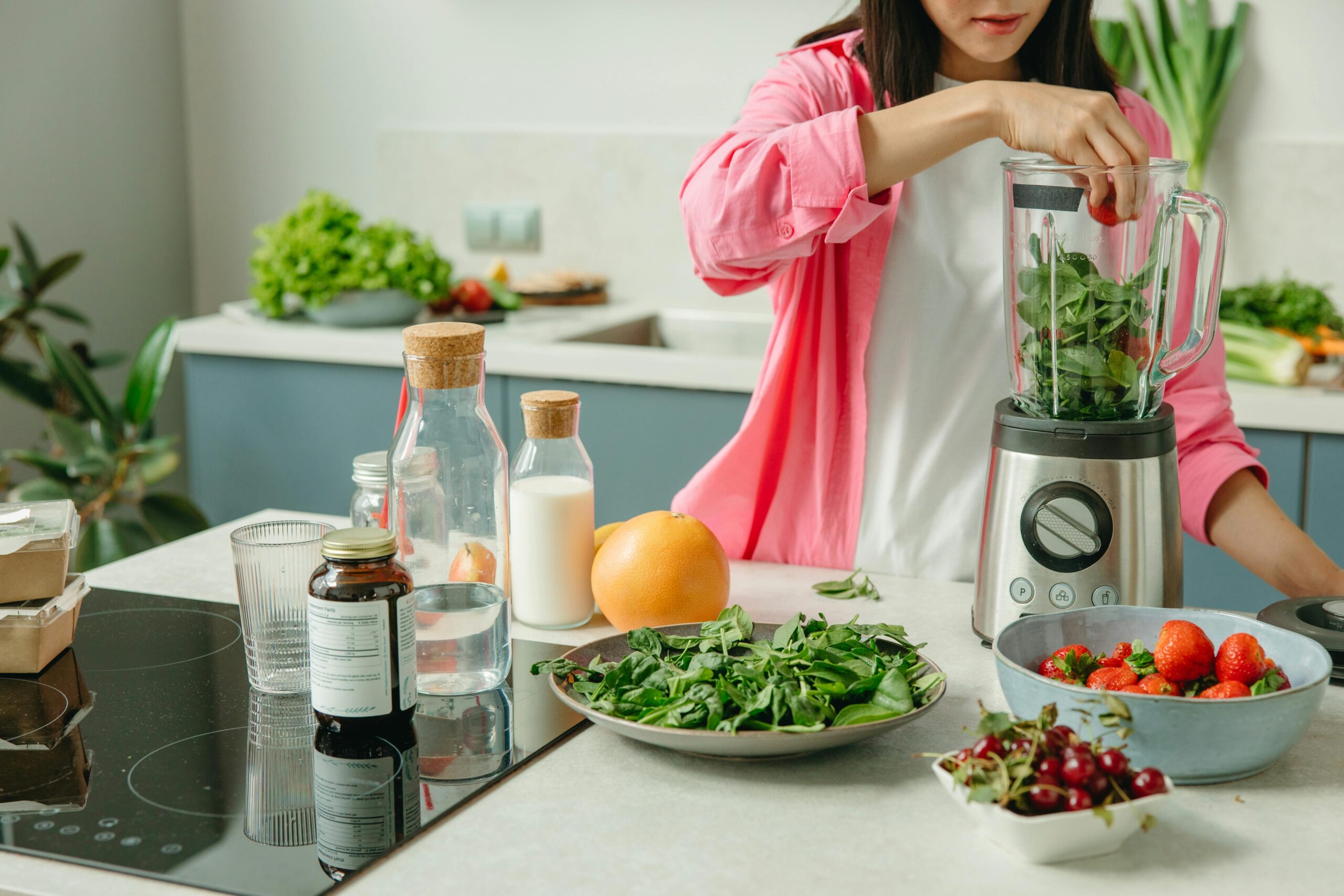
Composting citrus fruits and onions has long puzzled eco-conscious gardeners. These kitchen scraps are often labeled as problematic, but with the right techniques, they can enrich your compost pile beautifully.

Creating nutrient-rich compost is one of the most rewarding aspects of sustainable gardening, yet many enthusiasts hesitate when it comes to adding certain ingredients. Citrus peels and onion scraps sit at the top of the “controversial composting materials” list, surrounded by myths and conflicting advice. The truth is that these materials can absolutely be composted successfully when you understand their unique properties and apply appropriate methods. This comprehensive guide will demystify the process and empower you to transform all your kitchen waste into black gold for your garden.
🍋 Understanding Why Citrus and Onions Are Considered Challenging
Before diving into solutions, it’s essential to understand why citrus fruits and onions have earned their reputation as difficult composting materials. Citrus peels contain d-limonene, a natural compound that gives them their distinctive smell and acts as a pest deterrent. This same property can temporarily slow down microbial activity in your compost pile. Additionally, citrus peels have waxy coatings that break down more slowly than other organic materials.
Onions present different challenges altogether. Their strong antimicrobial properties, which make them beneficial for human health, can initially inhibit the beneficial bacteria and fungi that drive the composting process. The sulfur compounds that make us cry when chopping onions can also affect the pH balance of your compost if added in excessive quantities.
However, these challenges are entirely manageable with proper technique. The key lies in understanding that composting is fundamentally about balance—carbon to nitrogen ratios, moisture levels, oxygen availability, and material diversity all play crucial roles in successful decomposition.
The Science Behind Successful Citrus Composting 🔬
Scientific research has debunked many myths surrounding citrus in compost. Studies show that while d-limonene does have antimicrobial properties, it breaks down relatively quickly when exposed to air and moisture. The concentration found in typical household quantities of citrus peels is insufficient to seriously harm a well-maintained compost pile.
The real issue with citrus isn’t toxicity but rather the time it takes to decompose. Citrus peels are notably thick and contain less water than many other fruits. Their waxy cuticle layer serves as a protective barrier in nature, and this same feature makes them resistant to quick breakdown in your compost bin.
The solution involves increasing the surface area available for microbial attack. By chopping, shredding, or cutting citrus peels into smaller pieces, you dramatically accelerate decomposition. Pieces smaller than one inch will break down at rates comparable to other fruit and vegetable scraps.
Optimal Citrus-to-Compost Ratios
Balance is everything in composting. For citrus materials, experts recommend keeping them to no more than 10-20% of your total compost volume. This proportion ensures that the beneficial properties of citrus—including pest deterrence and pleasant aroma—work in your favor without overwhelming the microbial ecosystem.
A healthy compost pile thrives on diversity. Mixing citrus with nitrogen-rich green materials like grass clippings, vegetable scraps, and coffee grounds, along with carbon-rich brown materials like dried leaves, cardboard, and shredded paper, creates the ideal environment for rapid decomposition.
🧅 Mastering Onion Composting Techniques
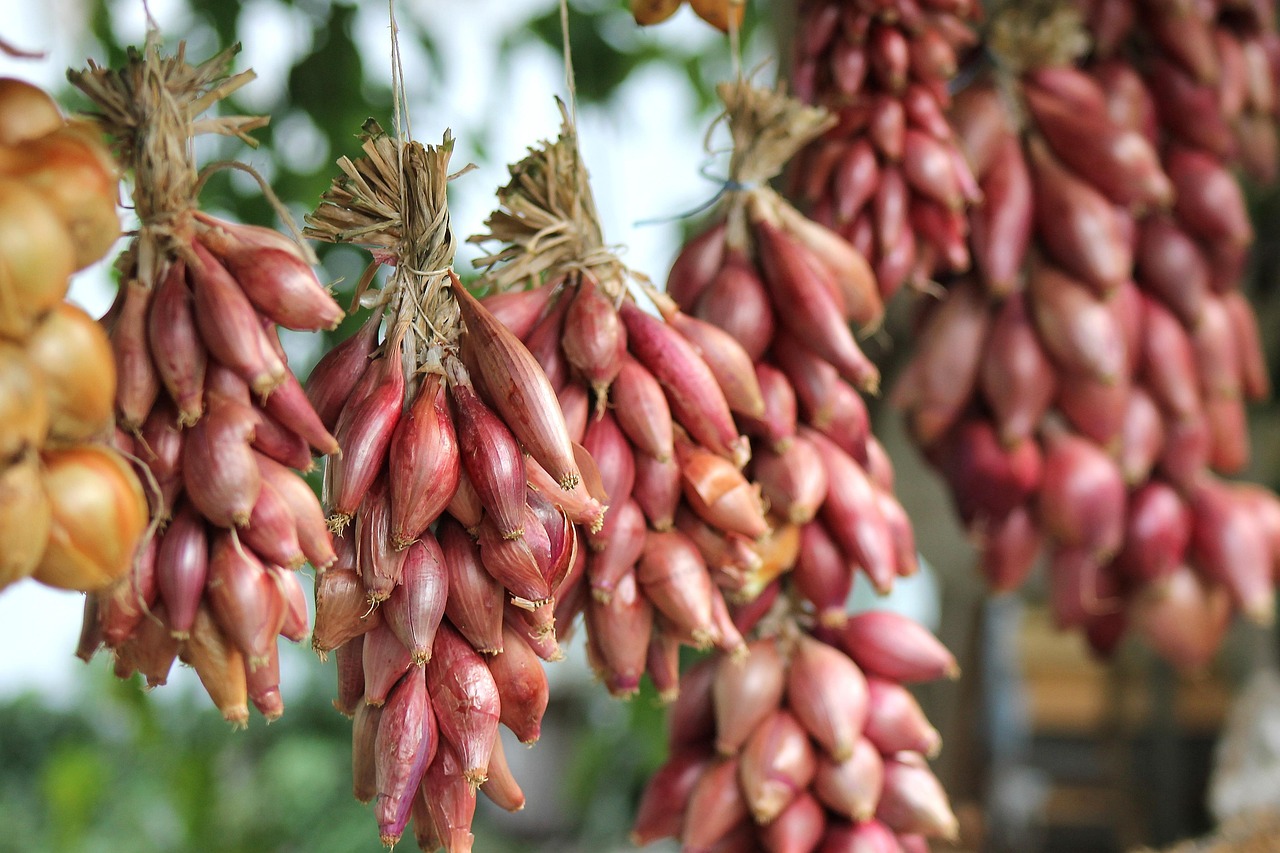
Onions, garlic, shallots, and their relatives in the allium family deserve special attention in your composting strategy. While their antimicrobial properties are real, they’re often overstated in gardening circles. The truth is that onions compost perfectly well when integrated properly into a diverse organic matter mix.
The antimicrobial compounds in onions affect harmful and beneficial microorganisms differently. In a mature, biodiverse compost pile with established microbial colonies, onion scraps integrate smoothly without causing disruption. The key is avoiding dumping large quantities of onions all at once, which could temporarily create localized zones of high antimicrobial concentration.
Breaking Down Onion Scraps Effectively
Like citrus, chopping onion scraps into smaller pieces significantly accelerates decomposition. The papery skins break down more quickly than the flesh, but both will decompose completely given adequate time and conditions. Mixing onion scraps throughout your pile rather than layering them in one spot prevents any localized pH imbalances.
Many composters report that onion and garlic scraps actually help deter unwanted pests from their compost bins. Rodents and some insects find the strong odors unpleasant, providing a natural protective effect for your decomposing materials.
Practical Step-by-Step Composting Methods ♻️
Now that you understand the science, let’s explore practical implementation strategies. Whether you’re using a traditional compost bin, a tumbler system, or vermicomposting with worms, you can successfully incorporate citrus and onions with these adapted techniques.
Traditional Bin Composting
For standard compost bins or piles, follow this proven method:
- Chop all citrus peels and onion scraps into pieces no larger than one inch square
- Mix these materials with at least three times their volume in other compost ingredients
- Layer citrus and onions between brown materials like dried leaves or shredded cardboard
- Ensure adequate moisture—the pile should feel like a wrung-out sponge
- Turn your pile every 1-2 weeks to maintain oxygen levels and distribute materials
- Monitor the pile temperature; active decomposition generates heat between 135-160°F
This traditional approach typically breaks down citrus and onions within 3-6 months, depending on climate and management practices. Hot composting accelerates the process significantly compared to cold composting methods.
Tumbler Composting Systems
Compost tumblers offer advantages for processing challenging materials. The regular rotation ensures even distribution and consistent aeration. When using tumblers with citrus and onions:
- Pre-chop materials even smaller than for traditional bins—half-inch pieces are ideal
- Rotate the tumbler every 2-3 days to maintain oxygen levels
- Keep the moisture content consistent but avoid over-wetting
- Consider starting citrus and onions in a traditional pile first, then transferring to the tumbler for finishing
🪱 Vermicomposting: Special Considerations for Worms
Worm composting requires a more cautious approach with citrus and onions. Red wiggler worms, the workhorses of vermicomposting, are more sensitive to acidic and antimicrobial materials than the microorganisms in traditional compost.
That said, worms can absolutely process these materials with proper technique. The golden rules for vermicomposting citrus and onions include:
- Limit citrus and onions to no more than 5-10% of worm bin contents
- Chop materials into very small pieces and bury them in the bedding
- Allow citrus peels to dry out for a day or two before adding to reduce acidity
- Space out additions over time rather than adding large quantities at once
- Monitor worm behavior—if they avoid certain areas, you’ve added too much
- Balance with worm favorites like melon rinds, banana peels, and coffee grounds
Some vermicomposting enthusiasts pre-compost citrus and onions in a separate traditional bin for 2-4 weeks before transferring the partially broken-down materials to their worm bins. This hybrid approach combines the benefits of both systems.
Advanced Tips for Accelerated Decomposition 🚀
Once you’ve mastered the basics, these advanced techniques can further optimize your citrus and onion composting success.
Freezing and Thawing Method
Freezing citrus peels and onion scraps before composting breaks down their cellular structure. When the materials thaw, the ruptured cell walls allow microorganisms to access nutrients more easily. Simply collect scraps in your freezer, then add them to your compost pile when you have a sufficient quantity. The freeze-thaw cycle essentially gives decomposition a head start.
Blending for Maximum Surface Area
For ultimate decomposition speed, use a blender or food processor to create a slurry from citrus and onion scraps. Mix this puree with brown materials like shredded paper or sawdust to absorb excess moisture, then add to your compost. This method maximizes surface area and can reduce decomposition time by 50% or more.
Bokashi Pre-Composting
Bokashi composting uses beneficial microorganisms to ferment organic waste in an anaerobic environment. This Japanese technique works exceptionally well for citrus and onions, actually thriving on materials that challenge traditional composting. After 2-4 weeks of bokashi fermentation, the pre-composted materials can be added to traditional compost or buried directly in garden soil where they’ll complete decomposition within weeks.
🌱 Troubleshooting Common Issues
Even experienced composters encounter occasional challenges. Here’s how to address the most common problems related to citrus and onion composting.
Slow Decomposition
If your citrus peels or onion scraps seem to linger indefinitely, the issue is typically size-related. Remove the slow-decomposing pieces, chop them smaller, and return them to the pile. Ensure adequate nitrogen sources are present—citrus and onions are relatively carbon-heavy and benefit from nitrogen-rich additions like grass clippings or vegetable scraps.
Unpleasant Odors
While compost should smell earthy, an overwhelming citrus or onion smell indicates poor aeration or excess moisture. Turn your pile to introduce oxygen and add dry brown materials to balance moisture levels. Proper aeration transforms potentially unpleasant smells into mild, earthy aromas within days.
Pest Attraction
Fruit flies may be attracted to citrus in compost. Combat this by burying citrus and onion scraps beneath 4-6 inches of other materials and maintaining proper moisture levels. A well-managed compost pile with appropriate carbon-to-nitrogen ratios and regular turning rarely experiences serious pest issues.
Creating Compost Tea from Citrus-Enriched Compost 🍵
Once your citrus and onion-containing compost has fully matured, it makes excellent compost tea—a liquid fertilizer that delivers beneficial microorganisms and nutrients directly to plant roots and foliage. The residual antimicrobial properties from the original materials may even help suppress certain plant diseases.
To brew compost tea, fill a burlap sack or mesh bag with mature compost and suspend it in a bucket of non-chlorinated water for 24-48 hours. Agitate occasionally to extract nutrients and microorganisms. Apply the resulting tea to plant roots or use as a foliar spray. The citrus-derived compounds add unique beneficial properties to your tea that standard compost lacks.
Seasonal Considerations for Optimal Results 🌞❄️
Composting success varies with seasons, and citrus and onions respond differently to temperature fluctuations. Summer’s heat accelerates decomposition significantly—materials that might take four months in winter can break down in six weeks during hot weather.
Winter composting requires patience. Microbial activity slows dramatically in cold temperatures. Consider insulating your compost pile with straw or leaves to maintain interior warmth. Alternatively, collect citrus and onion scraps during winter months and add them in spring when biological activity increases.
In tropical and subtropical climates where citrus trees thrive, year-round composting of citrus maintains consistent activity. Just ensure adequate moisture during dry seasons and proper drainage during rainy periods.
Environmental Impact and Sustainability Benefits 🌍
Successfully composting citrus and onions contributes significantly to environmental sustainability. These materials constitute a substantial portion of household organic waste. Americans alone discard millions of pounds of citrus peels and onion scraps annually—materials that could enrich gardens instead of filling landfills.
When organic waste decomposes in landfills without oxygen, it produces methane, a greenhouse gas 28 times more potent than carbon dioxide. Home composting provides aerobic decomposition that produces minimal greenhouse gases while creating valuable soil amendments. By composting citrus and onions, you’re actively reducing your carbon footprint.
The finished compost reduces the need for synthetic fertilizers, which require significant energy to manufacture and transport. Healthy, compost-enriched soil also sequesters carbon, retains water more effectively, and supports robust plant growth with reduced chemical inputs.
Integrating Compost into Your Garden Ecosystem 🌿
The ultimate goal of composting citrus and onions is creating superior soil amendment for your garden. Mature compost containing these materials offers unique benefits. The slow-release nutrients support sustained plant growth, while the diverse microbial population enhances soil health.
Apply finished compost as mulch around established plants, work it into vegetable garden beds before planting, or use it as a component in potting mixes. The antimicrobial properties from onions and citrus may provide mild disease suppression benefits when used in soil amendments.
Container gardeners particularly benefit from compost containing citrus and onions. The balanced nutrient profile and improved soil structure support healthy root development in confined spaces where soil quality is paramount.
Building Confidence Through Experimentation 💪
Mastering citrus and onion composting is ultimately about developing confidence through experience. Start with small quantities, observe the results, and adjust your techniques accordingly. Every compost pile is unique, influenced by climate, materials, management practices, and the specific microbial community that develops.
Keep a composting journal to track what works in your specific situation. Note the quantities of citrus and onions added, how you prepared them, weather conditions, and decomposition rates. Over time, you’ll develop intuition about your compost pile’s needs and capabilities.
Don’t be discouraged by initial challenges. Even compost that seems problematic can be salvaged with proper intervention. The skills you develop managing these challenging materials will make you a more capable, confident composter overall.
By embracing citrus and onions in your composting practice, you’re joining a growing movement of eco-conscious gardeners who refuse to let valuable organic resources go to waste. These materials, once considered problematic, become assets when handled with knowledge and care. Your garden will thrive on the nutrient-rich compost you create, and you’ll enjoy the satisfaction of closing the loop on your household’s organic waste stream. Start small, stay consistent, and watch as your composting confidence and garden vitality grow together in beautiful harmony.