Transform your garden’s potential with strategic compost planning that works in harmony with nature’s rhythms. A well-designed seasonal compost calendar ensures your soil receives optimal nutrition throughout the year.

Building healthy, vibrant soil doesn’t happen by chance—it requires understanding when and what organic materials to add to your compost system. Whether you’re a seasoned gardener or just starting your sustainable journey, mastering the timing of compost inputs can dramatically improve your soil quality, plant health, and harvest abundance. By aligning your composting efforts with seasonal cycles, you’ll create a self-sustaining ecosystem that feeds your garden naturally while reducing waste and chemical dependency.
🌱 Understanding the Foundation: Why Seasonal Compost Planning Matters
Seasonal compost planning isn’t just about throwing kitchen scraps into a bin. It’s a strategic approach that recognizes how different organic materials decompose at varying rates depending on temperature, moisture levels, and microbial activity—all factors that change dramatically with the seasons.
During warmer months, decomposition accelerates as microorganisms become more active. Conversely, winter slows this process considerably. By planning your compost inputs according to these natural rhythms, you ensure finished compost is ready precisely when your garden needs it most. This synchronization maximizes nutrient availability during critical growing periods while preventing nutrient lockup during dormant seasons.
Additionally, different seasons provide unique organic materials. Fall brings abundant leaves, spring offers grass clippings, summer produces kitchen waste in volume, and winter provides coffee grounds and indoor scraps. A strategic calendar helps you capitalize on these seasonal abundances while maintaining proper carbon-to-nitrogen ratios year-round.
🍂 Fall Compost Inputs: Building Your Carbon Reserve
Autumn represents the most critical season for serious composters. The abundance of fallen leaves provides exceptional carbon-rich “brown” materials that form the backbone of quality compost. This is your opportunity to stockpile materials that will balance nitrogen-rich “green” inputs throughout the coming year.
October Through November: Leaf Collection Strategy
Collect and process leaves systematically during peak fall. Shredded leaves decompose faster and occupy less space than whole leaves. Run your lawn mower over leaf piles or use a dedicated leaf shredder to break them into smaller pieces. Store excess shredded leaves in breathable bags or wire bins to keep them dry for future use.
Mix fresh leaves with existing compost piles at approximately a 3:1 ratio with green materials. Layer leaves between kitchen scraps, spent garden plants, and other nitrogen sources. This creates ideal conditions for decomposition while the soil temperatures remain warm enough to support active microbial communities.
Prime Fall Compost Materials
- Deciduous tree leaves (especially oak, maple, and birch)
- Spent annual plants and vegetables after harvest
- Perennial trimmings and deadheaded flowers
- Straw and hay from seasonal decorations
- Corn stalks and dried plant stems
- Pine needles in moderation (they acidify slowly)
- Shredded paper and cardboard from holiday packaging
Consider starting a separate cold compost pile in late fall specifically for slow-decomposing woody materials like small branches, thick stems, and hedge trimmings. This pile will break down gradually over winter and be ready to incorporate into active compost by late spring.
❄️ Winter Compost Management: Maintaining Momentum During Dormancy
Winter composting presents unique challenges but remains essential for year-round soil success. While decomposition slows dramatically in freezing temperatures, your compost system can remain productive with proper management techniques.
December Through February: Cold-Weather Strategies
Insulate active compost piles with thick layers of straw, leaves, or even cardboard to retain heat generated by microbial activity. A well-insulated pile can maintain temperatures 20-30 degrees warmer than ambient air, allowing continued decomposition even during cold snaps.
Focus winter inputs on readily available materials from your kitchen and indoor spaces. Coffee grounds, vegetable scraps, eggshells, and fruit peels continue accumulating regardless of outdoor temperatures. Store these in a small indoor compost collection container, then transfer to your outdoor pile weekly or as weather permits.
Winter-Specific Composting Tips
- Create a pathway to your compost bin before heavy snowfall
- Chop materials into smaller pieces to accelerate spring decomposition
- Layer fresh additions with stored fall leaves to maintain carbon balance
- Consider vermicomposting indoors for continuous nutrient production
- Turn piles during brief warm spells to introduce oxygen
- Avoid adding materials that attract wildlife when natural food is scarce
If you live in extremely cold climates, trench composting offers an excellent alternative. Dig trenches in garden beds designated for spring planting, fill with kitchen waste, and cover with soil. Materials break down underground, protected from freezing, and enrich planting areas directly.
🌸 Spring Compost Activation: Jumpstarting Your Growing Season
Spring represents a transitional period when your compost system shifts from winter dormancy to peak production. This is when thoughtful planning truly pays dividends, as finished compost becomes available precisely when young plants need nutrient-rich soil amendments.
March Through May: Nitrogen Boost Period
As temperatures rise, increase nitrogen-rich green materials substantially. Fresh grass clippings from early-season mowing, young weeds pulled before seeding, and kitchen scraps from spring produce all provide the nitrogen kick that accelerates decomposition of accumulated carbon materials from fall and winter.
Turn winter piles thoroughly in early spring to introduce oxygen and redistribute materials. The combination of increasing temperatures, moisture from spring rains, and oxygen exposure will trigger rapid decomposition. Piles turned in March often produce finished compost by May—perfect timing for transplanting seedlings and establishing summer gardens.
Essential Spring Compost Additions
- Fresh grass clippings (untreated lawns only)
- Young weeds without seeds or roots
- Spring vegetable kitchen scraps (lettuce, peas, asparagus trimmings)
- Coffee grounds and tea leaves in volume
- Manure from herbivores (aged at least 6 months before use)
- Crushed eggshells for calcium supplementation
- Early pruning trimmings from shrubs and perennials
Spring is ideal for starting new compost piles dedicated to summer and fall harvests. Begin a fresh pile in April using balanced materials, and it will mature by late summer—perfectly timed for fall garden preparation and planting cool-season crops.
☀️ Summer Compost Intensity: Managing Peak Production
Summer brings the highest volume of compostable materials but also presents management challenges. Heat, moisture fluctuations, and rapid plant growth create both opportunities and potential problems for compost systems.
June Through August: Balancing Abundance
Summer gardens produce enormous quantities of green materials—grass clippings, vegetable trimmings, spent plants, and kitchen waste from fresh produce. Without adequate brown carbon materials to balance these nitrogen-rich inputs, piles can become smelly, slimy, and anaerobic.
This is when your stockpiled fall leaves become invaluable. Layer fresh summer greens with stored brown materials at approximately 1:2 or 1:3 ratios. If you run short on browns, shredded newspaper, cardboard, sawdust from untreated wood, or straw can supplement your carbon needs.
Summer Composting Challenges and Solutions
- Heat Stress: Piles may become too hot (above 160°F), killing beneficial organisms. Turn frequently and add moisture to moderate temperatures.
- Drought Conditions: Dry materials won’t decompose. Water piles to maintain sponge-like moisture—damp but not waterlogged.
- Odor Problems: Too many greens create anaerobic conditions. Add browns immediately and turn thoroughly to introduce oxygen.
- Pest Attraction: Fruit waste and kitchen scraps attract flies and animals. Bury fresh additions under 6-8 inches of finished compost or brown materials.
- Rapid Fill-Up: Abundant materials quickly fill bins. Start additional piles or consider increasing system capacity.
Summer offers perfect conditions for hot composting—the method that produces finished compost in just 4-6 weeks. Combine fresh materials in proper ratios, maintain adequate moisture, and turn every 3-4 days to sustain temperatures between 135-160°F. This kills weed seeds and pathogens while producing premium compost quickly.
📅 Creating Your Personalized Compost Calendar
Every garden has unique characteristics that influence optimal composting schedules. Climate, garden size, plant varieties, and available materials all affect your ideal calendar. Use this framework to develop a system customized to your specific situation.
Assessment Factors for Calendar Development
Begin by evaluating your garden’s compost needs. How much finished compost do you require annually? A 100-square-foot vegetable garden typically benefits from 2-4 cubic feet of compost per bed twice yearly—once in spring and again in fall. Multiply by the number of beds to determine total annual production goals.
Next, identify your material sources and volumes. Track what you generate monthly for three months to establish baseline quantities. Consider seasonal variations—summer typically produces triple the volume of winter. Document what neighbors, local businesses, or municipal programs might contribute (coffee grounds from cafes, leaves from municipal collection, etc.).
Sample Year-Round Composting Schedule
| Season | Primary Focus | Key Activities | Target Completion |
|---|---|---|---|
| Fall (Sept-Nov) | Carbon accumulation | Collect and shred leaves, start slow piles, stockpile browns | Fill carbon reserve bins |
| Winter (Dec-Feb) | Maintenance mode | Process kitchen waste, insulate piles, plan spring beds | Keep system active |
| Spring (Mar-May) | Activation & application | Turn piles, add greens, apply finished compost, start new batches | Finish 2-3 piles |
| Summer (Jun-Aug) | Peak production | Balance abundant greens, maintain moisture, hot compost, harvest finished compost | Produce 3-4 batches |
🔄 Advanced Techniques: Maximizing Your Compost System Efficiency
Once you’ve mastered basic seasonal planning, advanced techniques can multiply your system’s productivity and quality. These methods require more attention but deliver superior results for dedicated gardeners.
The Three-Bin Rotation System
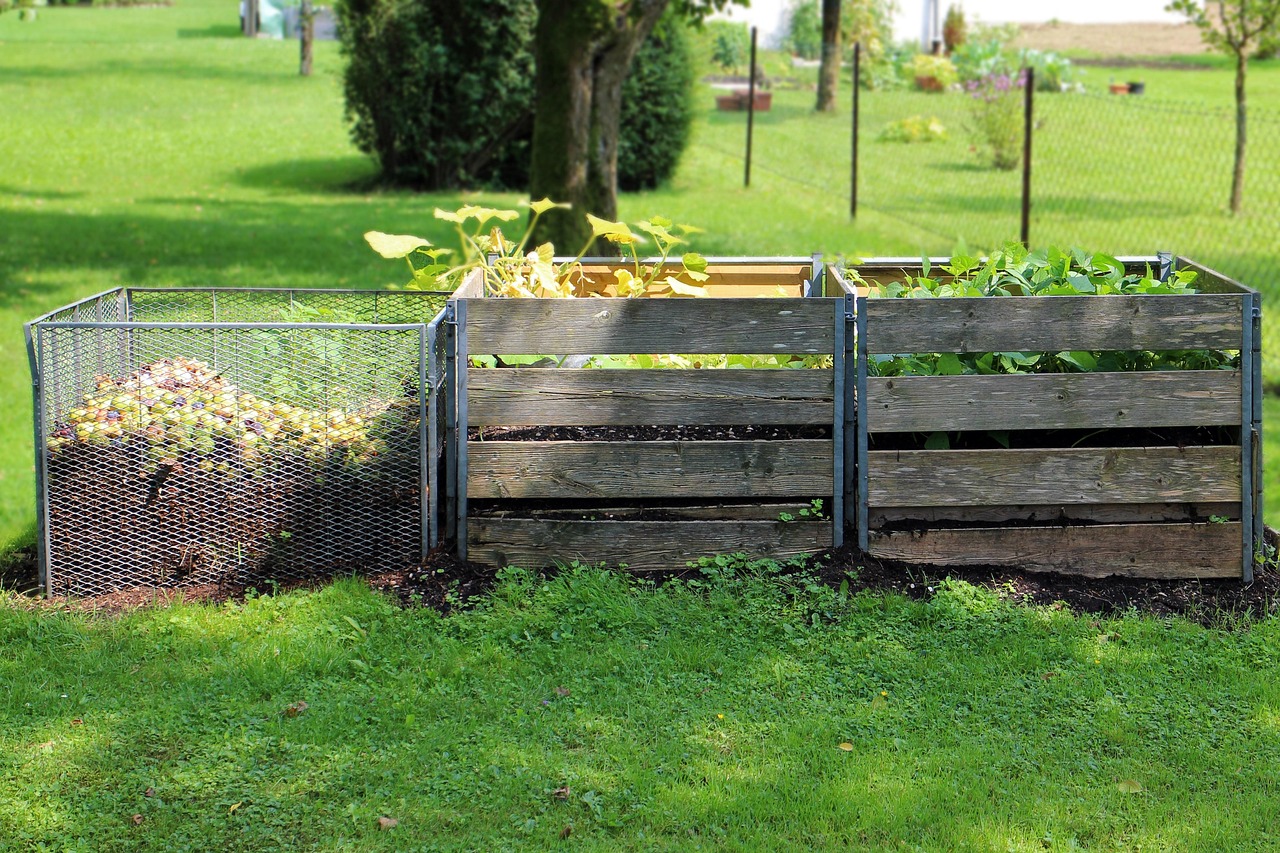
Implement a three-stage system where Bin 1 receives fresh materials, Bin 2 contains actively decomposing compost, and Bin 3 holds finished, curing compost ready for application. As Bin 1 fills (typically 4-6 weeks), begin filling Bin 2 while Bin 1 decomposes. When Bin 2 fills, transfer cured compost from Bin 3 to garden beds, shift Bin 2 contents to Bin 3, move Bin 1 to Bin 2, and start fresh in Bin 1. This creates continuous production without waiting for complete decomposition.
Compost Tea Brewing for Season Extension
Extract nutrients from finished compost by brewing compost tea—a liquid fertilizer that delivers immediate plant nutrition without depleting your solid compost supply. Steep one part finished compost in five parts water for 24-48 hours, aerating continuously with an aquarium pump. Apply the resulting tea as foliar spray or soil drench during critical growth periods.
Specialized Seasonal Amendments
Customize compost for specific plant needs by incorporating targeted amendments during different seasons. Add wood ash (potassium source) to fall compost for root vegetables, incorporate bone meal (phosphorus) in spring batches for flowering plants, or mix in alfalfa meal (nitrogen boost) during summer for leafy greens. These amendments naturally integrate during decomposition, creating specialized composts for different garden zones.
🌿 Troubleshooting Common Seasonal Composting Issues
Even experienced composters encounter problems. Recognizing seasonal patterns in common issues helps you address them quickly before they impact compost quality or garden performance.
Spring: Waterlogged and Anaerobic Piles
Spring rains often saturate compost piles, creating oxygen-depleted, smelly conditions. If your pile resembles a soggy mess, add abundant dry brown materials—shredded paper, cardboard, or stored leaves. Turn thoroughly to introduce air and create drainage channels. Cover with waterproof tarps during extended rainy periods while ensuring some air circulation.
Summer: Dry, Slow-Decomposing Materials
Heat waves can desiccate compost piles, halting decomposition entirely. Materials appear dry and dusty with little breakdown occurring. Water deeply using a hose or watering can, aiming for uniform moisture throughout the pile. Consider creating a shallow depression atop piles to collect rainwater, or install a simple drip irrigation system for consistent moisture during drought periods.
Fall: Matted Leaf Layers
Whole leaves often mat together, creating impermeable layers that block air and moisture flow. This slows decomposition and creates zones of different decomposition rates. Always shred leaves before adding to compost, and mix thoroughly with other materials rather than adding in thick layers. If matting occurs, break up the pile completely and reassemble with proper mixing.
Winter: Frozen Solid Piles
In harsh climates, entire piles may freeze solid, stopping all activity. While you cannot prevent this entirely, better insulation helps. Surround bins with straw bales, wrap with old blankets or bubble wrap, or construct simple wooden frames filled with leaves around piles. Accept that some dormancy is natural—spring will reactivate frozen systems rapidly once temperatures rise.
🎯 Measuring Success: How to Know Your Calendar is Working
A successful seasonal compost calendar produces observable results in both your compost system and garden performance. Track these indicators to assess and refine your approach over time.
Finished compost should be dark brown to black, crumbly in texture, earthy-smelling, and unrecognizable from original materials. You should produce adequate quantities to meet garden needs—running short indicates insufficient inputs or slow decomposition requiring calendar adjustments. Conversely, accumulating excess finished compost suggests overproduction or underutilization, allowing you to reduce inputs or expand growing areas.
Garden performance provides the ultimate validation. Plants grown in compost-amended soil display vigorous growth, deep green foliage, strong stems, enhanced disease resistance, and abundant yields. Soil structure improves visibly—better drainage, increased earthworm populations, easier cultivation, and improved moisture retention during dry periods. These changes accumulate over seasons, with dramatic improvements typically visible after 2-3 years of consistent compost application.
🌍 Sustainable Practices: Closing the Loop in Your Garden Ecosystem
The ultimate goal of seasonal compost planning extends beyond soil improvement to creating a truly sustainable, closed-loop garden ecosystem. Every plant you grow contributes to future compost, which nurtures subsequent plantings in an endless cycle that requires minimal external inputs.
Document what works in your specific situation. Keep simple records noting when you start piles, what materials you add, environmental conditions, and when compost finishes. Over time, patterns emerge that reveal your garden’s unique rhythms. You’ll discover that certain material combinations work exceptionally well in your climate, that specific timing produces compost precisely when needed, and that particular techniques suit your schedule and physical capabilities.
Share surplus compost and materials with neighbors, community gardens, or local schools. Teaching others about seasonal composting multiplies your positive impact while often providing access to additional materials and knowledge. Many successful composters arrange material swaps—trading excess fall leaves for spring manure, or finished compost for coffee grounds from neighbors who don’t compost.
By mastering seasonal compost inputs planning, you’ve gained control over your garden’s most critical resource—healthy, living soil. This knowledge empowers you to grow more abundant harvests, create more beautiful landscapes, and participate actively in natural cycles that sustain all life. Your compost calendar becomes not just a gardening tool, but a connection to the rhythms of nature that ground us in the seasons and cycles that make gardening so deeply rewarding. Start implementing your customized calendar today, and watch as your garden transforms into a thriving, self-sustaining ecosystem that produces beauty and abundance year after year.