Spring is nature’s invitation to rejuvenate your garden, and your compost pile is the heart of that transformation. As temperatures rise and life returns to the soil, proper compost care becomes essential for cultivating a thriving, productive garden throughout the growing season.

Whether you’re a seasoned gardener or just starting your composting journey, understanding the seasonal rhythms of decomposition and maintenance will unlock the full potential of your organic waste. This comprehensive guide walks you through everything you need to know to spring into action and create nutrient-rich compost that will feed your garden all year long.
🌱 Why Spring is the Perfect Time for Compost Revival
Spring represents a critical turning point for your compost system. After months of cold weather slowing down microbial activity, warming temperatures trigger a biological awakening in your compost pile. Microorganisms multiply rapidly, decomposition accelerates, and your winter accumulation of organic matter begins its transformation into black gold.
This seasonal shift also coincides perfectly with garden preparation. As you clean up winter debris, prune plants, and prepare beds for planting, you generate abundant brown and green materials perfect for composting. Meanwhile, your garden beds are hungry for the nutrient-rich finished compost that will support spring plantings.
Taking advantage of this natural timing means working with nature’s rhythms rather than against them. The increased daylight hours, occasional spring rains, and warming soil temperatures create ideal conditions for both compost production and garden growth.
Essential Spring Compost Assessment: Where to Begin
Before diving into new composting activities, conduct a thorough assessment of your current system. Start by examining what survived the winter months. Check the moisture level by squeezing a handful of compost—it should feel like a wrung-out sponge, not dripping wet or dust-dry.
Inspect the structure of your compost bin or pile. Winter weather can shift materials, create compaction, or cause drainage issues. Look for signs of proper decomposition: a pleasant earthy smell indicates healthy activity, while ammonia odors suggest too much nitrogen or inadequate aeration.
Identify any finished compost ready for harvest. This dark, crumbly material typically accumulates at the bottom of your pile. Separating finished compost from active material creates space for new additions and provides immediate resources for spring planting.
Temperature Check and Microbial Activity
Use a compost thermometer to measure internal temperatures. A healthy active pile should reach 130-150°F (55-65°C) in its core. Lower temperatures indicate the pile needs activation through turning, moisture adjustment, or nitrogen-rich material additions.
If your pile remained relatively inactive through winter, don’t worry. Spring warmth naturally reactivates dormant microorganisms. However, you can accelerate this process by introducing fresh green materials like grass clippings or vegetable scraps, which provide the nitrogen boost microbes need to multiply.
🔄 Your Complete Spring Compost Care Checklist
Systematic care ensures your compost system operates at peak efficiency throughout the growing season. Follow this comprehensive checklist to set yourself up for success:
- Aerate the pile: Turn your compost thoroughly to introduce oxygen and redistribute materials. This single action can dramatically increase decomposition speed.
- Adjust moisture levels: Add water if the pile seems dry, or incorporate dry brown materials if it’s too wet. Proper moisture is crucial for microbial activity.
- Balance carbon and nitrogen: Aim for a 30:1 carbon-to-nitrogen ratio by layering brown materials (leaves, cardboard, wood chips) with green materials (food scraps, grass clippings, fresh plant trimmings).
- Harvest finished compost: Remove completed compost from the bottom or mature sections of your pile. Screen it through hardware cloth to separate large undecomposed pieces.
- Repair infrastructure: Fix damaged bins, replace broken hardware, and ensure proper drainage systems are functioning.
- Create collection systems: Set up convenient kitchen scrap containers and yard waste stations to streamline material gathering.
- Establish a turning schedule: Plan to turn your pile every 2-3 weeks during active spring months for optimal results.
- Check for pests: Inspect for rodent intrusions or excessive insect activity that might indicate imbalanced conditions.
Seasonal Calendar: Month-by-Month Compost Management
Different months bring unique opportunities and challenges for compost management. This seasonal calendar helps you plan activities for maximum effectiveness throughout the year.
Early Spring (March-April) 🌸
These transitional months focus on reactivation and preparation. As soil temperatures rise above 50°F (10°C), microbial populations begin expanding rapidly. This is your window for major interventions that set the tone for the entire growing season.
Start by completely turning your winter pile, breaking up any frozen or compacted sections. Add fresh nitrogen sources like coffee grounds, vegetable scraps, or grass clippings from early mowing. These green materials provide the energy boost microbes need after winter dormancy.
Early spring also generates abundant brown materials from garden cleanup—dead annuals, pruned branches, fallen leaves that persisted through winter. Shred or chop these materials before adding them to accelerate decomposition.
Late Spring (May-June) ☀️
Your compost system hits peak productivity during these warm, active months. Decomposition rates maximize as temperatures stabilize and material inputs increase from garden activities. Focus on maintaining momentum through consistent attention.
Monitor moisture carefully as temperatures rise. Spring rains may oversaturate outdoor piles, requiring additions of dry brown materials to restore balance. Conversely, warm sunny days can dry out compost quickly, necessitating supplemental watering.
This period produces your first major compost harvest of the year. Use this finished compost as mulch around newly planted vegetables, worked into flower beds, or as potting mix amendments for container gardens.
Summer (July-August) 🌞
Heat accelerates decomposition but also introduces challenges. Maintain adequate moisture through regular watering, as summer heat can quickly desiccate compost piles. Consider locating your compost in partial shade or covering it with burlap to retain moisture.
Summer generates continuous inputs from lawn clippings, spent flowers, and vegetable garden trimmings. These nitrogen-rich materials can create ammonia buildup if not balanced with carbon sources. Keep a reserve of dry leaves, shredded newspaper, or cardboard to layer with fresh greens.
Vacation periods require planning. Before extended absences, thoroughly water your pile and add a thick layer of brown materials on top to slow activity and prevent excessive drying.
Early Fall (September-October) 🍂
Autumn delivers a composting bonanza with fallen leaves providing abundant carbon-rich material. Don’t waste this resource—leaves are composting gold when managed properly. Shred leaves with a mower before adding them to prevent matting and accelerate breakdown.
As garden production winds down, harvest remaining finished compost to make room for fall inputs. Apply this compost to garden beds being put to rest, giving it winter months to integrate fully with soil.
Begin transitioning your pile for winter by building mass. Larger piles retain heat better through cold months, maintaining some microbial activity even in freezing conditions.
Late Fall and Winter (November-February) ❄️
Cold weather dramatically slows but doesn’t completely halt composting. Continue adding materials throughout winter, though decomposition will proceed slowly. These additions accumulate as raw material ready to activate rapidly when spring warmth returns.
Insulate your pile with extra leaves, straw, or a tarp cover to help retain residual heat. Well-insulated piles may maintain active cores even during freezing weather, continuing to produce finished compost through winter.
Winter offers time for planning and preparation. Research new composting techniques, design system improvements, and prepare materials you’ll need for spring activation.
Troubleshooting Common Spring Compost Problems
Even experienced composters encounter challenges as systems reactivate after winter. Recognizing and addressing these issues quickly prevents minor problems from becoming major setbacks.
Foul Odors and Anaerobic Conditions
Unpleasant smells indicate oxygen-deprived anaerobic decomposition. This typically results from overwatering, excessive green materials, or inadequate turning. The solution involves immediate aeration through thorough turning and adding dry brown materials to absorb excess moisture.
If odors persist, your carbon-to-nitrogen ratio is likely imbalanced. Add significantly more brown materials—aim for twice the volume of problematic green material. Ensure your pile has adequate drainage to prevent water accumulation at the base.
Slow Decomposition and Cold Pile
A pile that remains cool despite spring warmth lacks either proper moisture, adequate nitrogen, or sufficient mass. First check moisture—the pile should feel damp throughout. Add water while turning if it’s dry.
Boost microbial activity with nitrogen-rich additions like grass clippings, food scraps, or coffee grounds. Alternatively, use a compost activator or add a shovelful of finished compost to inoculate the pile with beneficial microorganisms.
Ensure your pile has sufficient mass—at least one cubic yard (3x3x3 feet) is necessary for heat generation. Smaller piles struggle to maintain the critical mass needed for thermophilic composting.
Pest Invasions
Rodents, flies, and other pests indicate exposed food waste or improper burial of attractive materials. Always bury kitchen scraps under at least six inches of brown material. Avoid adding meat, dairy, or oily foods that attract unwanted visitors.
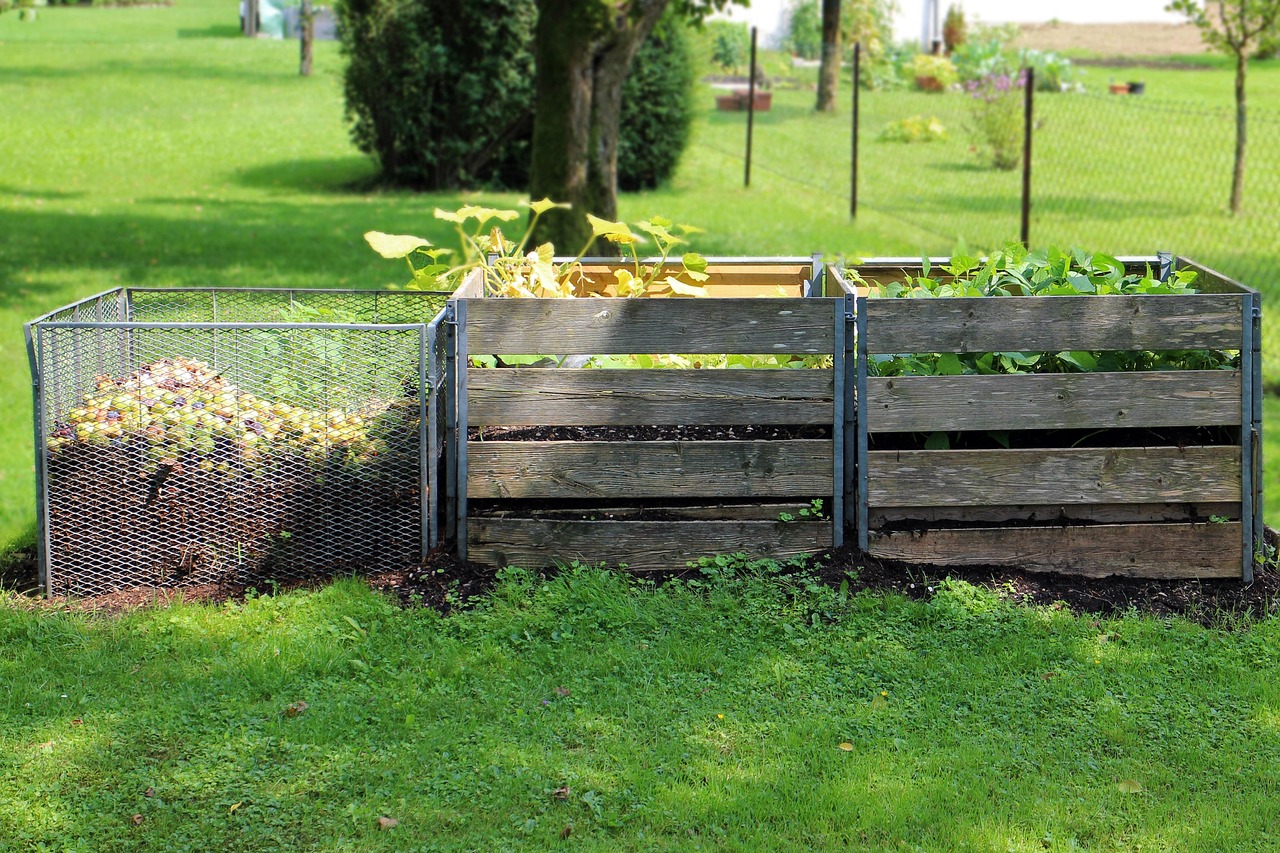
For persistent rodent problems, consider hardware cloth barriers at the base of bins or switching to enclosed tumbler systems. Fruit flies typically indicate surface food scraps—simply cover them with a layer of browns to eliminate the problem.
Advanced Techniques for Maximum Spring Compost Production
Once you’ve mastered basic composting, these advanced strategies can significantly increase both quantity and quality of finished compost.
Hot Composting for Rapid Results
Hot composting produces finished compost in as little as 3-4 weeks through careful management of the carbon-nitrogen ratio, moisture, aeration, and pile size. This method requires building a complete pile at once using the proper 30:1 ratio, maintaining consistent moisture, and turning every 3-4 days.
The effort investment pays dividends through rapid production, weed seed destruction, and pathogen elimination. Hot composting particularly suits spring when material availability peaks and garden demand for finished compost is highest.
Vermicomposting Integration
Worm composting complements traditional systems by processing kitchen scraps year-round in controlled indoor environments. Spring is ideal for starting or expanding worm bins, as moderate temperatures favor worm reproduction.
Harvest worm castings in spring to create potent liquid fertilizers or seedling starting mixes. The castings contain concentrated nutrients and beneficial microorganisms that give young plants a strong start.
Compost Tea Brewing
Transform finished compost into liquid gold by brewing compost tea. This nutrient-rich solution provides a quick-release fertilizer for spring plantings while coating leaves with beneficial microorganisms that suppress diseases.
Brew tea by steeping finished compost in water with aeration for 24-48 hours. Apply as a soil drench around plants or as a foliar spray. Spring applications particularly benefit seedlings and newly transplanted vegetables.
💚 Integrating Compost Into Your Spring Garden Plans
Producing excellent compost means nothing without proper application strategies. Understanding when and how to use compost maximizes its benefits for your garden.
Apply partially finished compost as mulch around perennials, shrubs, and trees in early spring. This material continues decomposing in place, slowly releasing nutrients throughout the growing season while suppressing weeds and retaining soil moisture.
Reserve your finest, fully finished compost for seedling starts, transplant holes, and top-dressing vegetable beds. Screen this material to remove large particles, creating a fine-textured amendment that won’t impede young roots.
Work compost into garden beds at least two weeks before planting to allow integration with existing soil. Spring application timing ensures nutrients are available when plants begin active growth. Apply 1-3 inches across beds, working it into the top 6 inches of soil.
Building Sustainable Composting Habits for Long-Term Success
Successful composting relies less on perfection than on consistency. Developing simple routines ensures your system functions smoothly without overwhelming time commitments.
Create convenient collection points for both kitchen scraps and yard waste. A countertop container with a secure lid encourages daily food scrap collection. Designated areas for leaves, grass clippings, and garden debris streamline yard waste management.
Schedule regular composting sessions rather than waiting until the pile demands attention. Fifteen minutes weekly for turning and adjusting maintains optimal conditions more effectively than sporadic hour-long interventions.
Keep basic tools—a garden fork, watering can, and wheelbarrow—near your compost area. Reducing friction in the process increases the likelihood you’ll maintain consistent care routines.
🌿 Maximizing Benefits Beyond the Garden
Composting offers rewards extending far beyond garden productivity. Understanding these broader benefits reinforces commitment during challenging periods.
Home composting dramatically reduces household waste sent to landfills. Organic materials comprise roughly 30% of residential waste streams. Diverting this material through composting reduces methane emissions from anaerobic landfill decomposition while creating valuable soil amendments.
Compost improves soil structure, increasing water retention in sandy soils and improving drainage in clay soils. This enhanced soil quality reduces irrigation needs, prevents erosion, and creates resilient growing environments that withstand weather extremes.
The microbial diversity in finished compost introduces beneficial organisms that suppress plant diseases, reduce pest pressure, and improve nutrient availability. These living communities create self-regulating soil ecosystems requiring fewer external inputs over time.
Your Garden’s Transformation Starts Today
Spring’s arrival brings renewed energy and unlimited possibilities for your garden. By implementing this comprehensive compost care checklist and following the seasonal calendar, you’re setting the foundation for abundant harvests, vibrant flowers, and thriving plants throughout the growing season.
Remember that composting is both art and science—while principles guide the process, your specific conditions require adaptation and experimentation. Pay attention to how your pile responds to different treatments, learn from setbacks, and celebrate successes.
The journey toward compost mastery unfolds gradually through seasons of patient observation and consistent care. Each pile teaches lessons, every batch improves your technique, and gradually you develop intuitive understanding of the biological alchemy transforming waste into garden treasure.
Start today by conducting your spring compost assessment. Grab your garden fork, step outside, and reconnect with the living system that fuels your garden’s productivity. The simple act of turning your pile, adjusting moisture, or adding fresh materials initiates a cascade of biological activity that will reward your garden for months to come.
Your thriving garden awaits—spring into action and unleash the power of well-managed compost this season and beyond! 🌻