Composting in cold climates doesn’t have to stop when winter arrives. With the right strategies and consistent care throughout the year, you can maintain an active compost system that feeds your garden even during the harshest months.

Whether you’re a seasoned gardener or just beginning your journey into sustainable waste management, understanding how to adapt your composting practices to seasonal changes is crucial. Cold climate composting requires thoughtful planning, but the rewards—rich, nutrient-dense soil and a thriving garden—make every effort worthwhile.
🌱 Understanding Cold Climate Composting Fundamentals
Cold climate composting operates on the same basic principles as traditional composting, but with important modifications. The microbial activity that breaks down organic matter slows significantly when temperatures drop below 40°F (4°C), yet it never completely stops. Your compost pile can remain active year-round if you understand how to work with, rather than against, winter conditions.
The key difference in cold climate composting is managing the balance between maintaining enough heat to keep decomposition going while protecting your pile from extreme temperature fluctuations. Insulation becomes your best friend, and pile location matters more than in moderate climates.
Successful year-round composting in cold regions requires understanding the carbon-to-nitrogen ratio, moisture levels, aeration needs, and pile size. A larger pile (at least 3x3x3 feet) retains heat better than smaller ones, creating an insulated core where microbial activity continues even when the outer layers freeze.
January-February: Winter Maintenance and Protection ❄️
The dead of winter presents unique challenges for cold climate composters. During these months, your primary goal is protecting your existing pile and continuing to add materials despite freezing temperatures.
Insulating Your Winter Compost Pile
Proper insulation is critical during the coldest months. Surround your compost bin with bales of straw, leaves, or even burlap sacks filled with insulating material. Create a barrier that protects against wind while allowing some air circulation. The center of a well-built pile can maintain temperatures of 50-60°F even when the air temperature drops below zero.
Consider these insulation strategies:
- Layer straw or leaves at least 6 inches thick around all sides
- Use old blankets or tarps to cover the top while maintaining airflow
- Position your bin against a south-facing wall for passive solar heating
- Create a windbreak using wooden pallets or fencing
Adding Materials in Freezing Conditions
Don’t stop adding kitchen scraps during winter. Store your food waste in a sealed container near your back door, and when it’s full, bury the frozen materials in the center of your pile where decomposition continues. Chopping materials into smaller pieces before they freeze helps speed up spring decomposition.
Pre-mixing brown materials like shredded newspaper or cardboard with your kitchen scraps creates better balance and prevents a soggy, compacted mess come spring thaw.
March-April: Spring Awakening and Pile Rejuvenation 🌸
As temperatures begin to rise, your compost pile awakens from winter dormancy. These transition months are crucial for setting up success for the growing season ahead.
The Spring Turn and Assessment
Once daytime temperatures consistently reach above 40°F, perform your first major turning of the season. This can be challenging work, as the outer layers may still be frozen while the center is active. Be patient and work in stages if necessary.
During this turn, assess what happened over winter. You’ll likely find that the center core has composted beautifully while outer materials remained frozen. Mix these layers thoroughly to redistribute both finished compost and materials that need more time.
Ramping Up Microbial Activity
Spring is the perfect time to jumpstart your pile with nitrogen-rich green materials. Add grass clippings from early mowings, coffee grounds you’ve been collecting, and fresh plant materials. The combination of warming temperatures and fresh nitrogen sources creates ideal conditions for rapid decomposition.
If your pile seems sluggish, add a shovelful of finished compost or garden soil to introduce fresh microorganisms. Some composters also add a compost activator, though this isn’t necessary if you maintain proper carbon-nitrogen balance.
May-June: Peak Season Preparation and System Expansion
These months represent the transition into peak composting season. Your garden is producing trimmings, you’re doing spring cleaning, and organic materials are abundant.
Starting a Secondary Pile
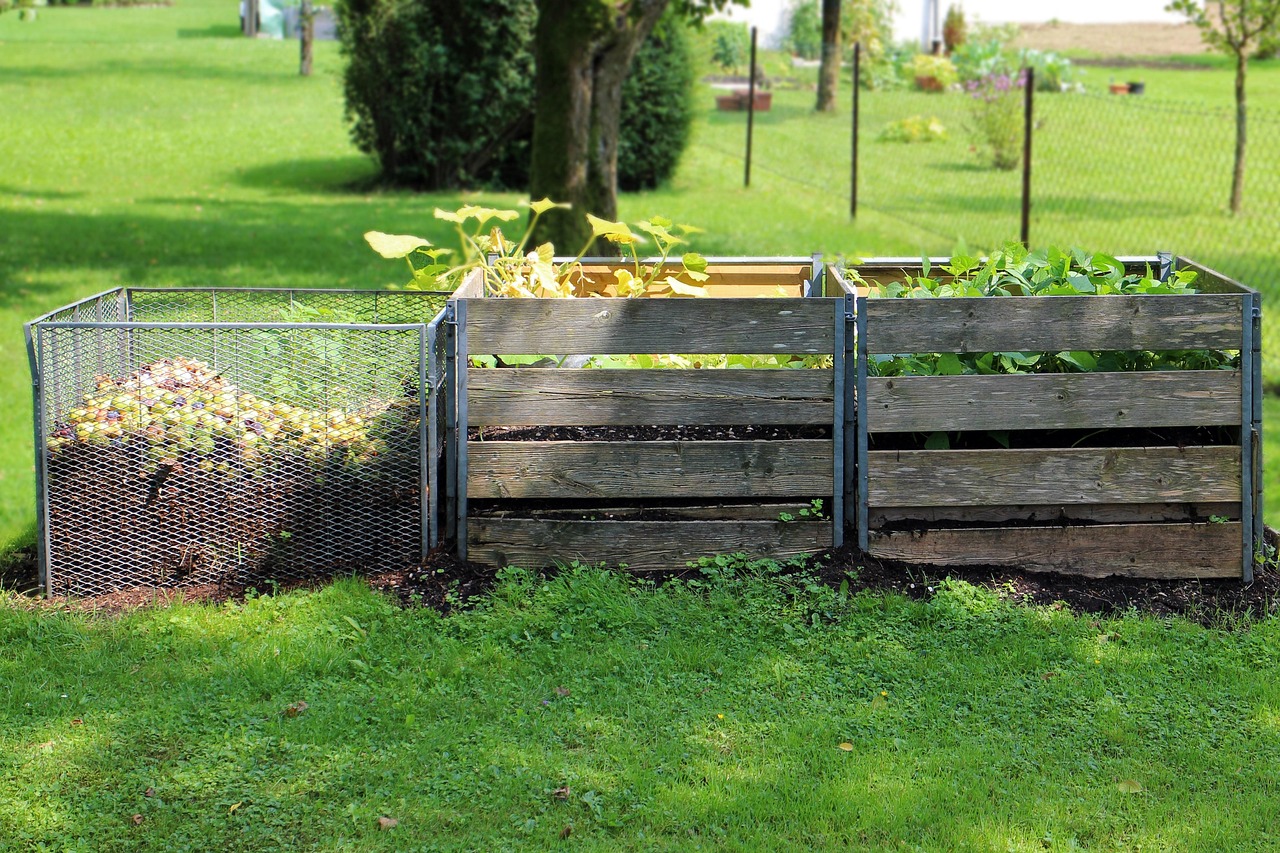
Consider establishing a second compost pile in late spring. This allows your winter pile to finish maturing while you begin building a fresh pile for summer and fall materials. A two-bin system creates a continuous cycle of finished compost.
Your primary pile from winter should be nearing maturity. Screen out finished compost for use in vegetable gardens and flower beds, leaving partially decomposed materials to seed your next batch.
Managing Increased Material Volume
As your garden comes alive, you’ll generate significantly more compostable material. Establish a routine for regular additions and turnings. Weekly maintenance during these months prevents common problems like odors and pest attraction.
Remember the golden ratio for healthy compost:
- Three parts brown materials (carbon-rich): dried leaves, straw, paper, cardboard
- One part green materials (nitrogen-rich): grass clippings, food scraps, fresh plant matter
- Moisture level similar to a wrung-out sponge
- Regular aeration through turning or passive airflow
July-August: Summer Heat Management and Optimization ☀️
Summer brings its own set of composting challenges in cold climates. While you don’t face the extreme heat issues of southern regions, maintaining moisture and managing increased material flow require attention.
Moisture Management During Dry Spells
Even in northern regions, summer can bring dry periods that slow decomposition. Monitor moisture levels weekly. Your compost should feel like a damp sponge—not dripping wet, but definitely moist throughout.
Water your pile during dry spells, adding water as you turn. Some composters install simple drip irrigation or use soaker hoses to maintain consistent moisture without daily attention.
Harvesting Summer Garden Waste
Peak growing season means abundant garden waste. Be selective about what you add. Avoid diseased plant materials, weeds that have gone to seed, and invasive species unless your pile consistently reaches temperatures above 140°F for several days.
Chop large materials before adding them. Corn stalks, thick stems, and woody prunings take significantly longer to break down if left in large pieces. A dedicated compost chopper or garden shredder is worth the investment if you generate substantial volume.
September-October: Fall Preparations and Resource Banking 🍂
Autumn is arguably the most important season for cold climate composters. The decisions and preparations you make now directly impact your winter composting success and spring garden productivity.
The Fallen Leaf Goldmine
Fallen leaves are composting gold for cold climate gardeners. They provide essential carbon, act as insulating material, and improve soil structure in finished compost. Collect far more leaves than you think you’ll need.
Store excess leaves in mesh bags, wire bins, or simply piled in a corner. These become your brown material bank for winter additions and spring pile building. Shredding leaves before storage speeds decomposition and reduces storage space.
Building Your Winter Fortress
October is the time to construct your winter composting system. If you use a three-bin system, dedicate one bin specifically for winter additions. Build a substantial base layer of browns, create good insulation, and position it for easy winter access from your home.
Create a clear path to your winter compost area and ensure adequate lighting for dark winter evenings. These practical considerations make the difference between maintaining your composting habit and abandoning it when conditions are difficult.
November-December: Pre-Winter Final Preparations
The final weeks before deep winter arrives are your last chance to set yourself up for success. These preparation tasks may seem excessive, but they pay dividends during the coldest months.
Final Turn and Temperature Boost
Give your active pile a final thorough turning in early November. Add a generous amount of nitrogen-rich materials and fresh browns to generate heat. A pile that enters winter with active microbial populations maintains that activity longer into the cold season.
Some cold climate composters add livestock manure or blood meal during this final turn to create a heat surge that extends active composting well into winter.
Tool and Material Organization
Organize your composting tools and materials before snow makes everything difficult. Store a winter supply of brown materials in a covered, accessible location. Keep a compost fork and spade dedicated to winter use near your pile. Set up your kitchen scrap collection system in a convenient location.
| Month Range | Primary Focus | Key Activities |
|---|---|---|
| Jan-Feb | Insulation & Protection | Maintain insulation, bury kitchen scraps in pile center |
| Mar-Apr | Reactivation | First turn, add nitrogen sources, assess winter results |
| May-Jun | Expansion | Start secondary pile, screen finished compost, increase turnings |
| Jul-Aug | Optimization | Monitor moisture, manage high volumes, maintain balance |
| Sep-Oct | Preparation | Collect leaves, build winter system, create material banks |
| Nov-Dec | Final Setup | Last turn, organize tools, ensure accessibility |
🔥 Advanced Techniques for Extreme Cold Climates
For gardeners in zones 3 and below, or those who want to maximize winter composting activity, several advanced techniques can keep your pile cooking even in bitter cold.
The Hot Compost Method for Winter
Hot composting requires more attention but generates significantly more heat. Build a large pile all at once using the correct carbon-nitrogen ratio, ensure adequate moisture, and turn it every three to five days. This intensive management can maintain pile temperatures above 130°F even when air temperatures are below freezing.
The hot method works best for gardeners who have accumulated substantial materials and can dedicate time to frequent turning. It produces finished compost much faster than passive methods.
Indoor Composting Supplements
Supplement your outdoor winter composting with small-scale indoor methods. Worm composting (vermicomposting) works year-round in a basement or heated garage, processing kitchen scraps that might otherwise overwhelm your frozen outdoor pile.
Bokashi composting is another indoor option that ferments food waste, including materials typically avoided in traditional composting like meat and dairy. The fermented product can be added to your outdoor pile in spring.
Troubleshooting Common Cold Climate Composting Challenges
Even with careful planning, problems arise. Recognizing and addressing these issues quickly prevents major setbacks.
Frozen Solid Pile
If your entire pile freezes solid, don’t despair. It will resume activity when temperatures rise. To prevent this, ensure your pile is large enough (minimum 3x3x3 feet), well-insulated, and has adequate nitrogen sources generating heat. A completely frozen pile simply goes dormant until spring.
Spring Slime Layer
Many cold climate composters discover a slimy, anaerobic layer when opening their pile in spring. This results from compacted, wet materials that lacked oxygen. Mix in abundant dry browns, turn thoroughly to introduce air, and the pile will recover within weeks.
Wildlife Interference
Winter hunger drives wildlife to investigate compost piles. Secure your bin with hardware cloth, bury food scraps deeply, and avoid adding meat, fish, or dairy products. A properly maintained pile shouldn’t attract significant pest issues.
Maximizing Your Composting Investment Throughout the Year 🌿
Year-round composting in cold climates requires consistent effort, but the returns are substantial. Each season’s finished compost improves your soil structure, increases water retention, introduces beneficial microorganisms, and reduces fertilizer needs.
Calculate your composting return on investment by tracking how much waste you divert from landfills and estimating the value of finished compost. Many cold climate gardeners produce hundreds of pounds of finished compost annually, representing significant savings over purchasing bagged amendments.
Beyond financial benefits, active composting connects you more deeply to natural cycles and creates genuine satisfaction. Watching organic waste transform into rich, dark compost that feeds next season’s vegetables embodies the essence of sustainable gardening.
Creating Your Personal Cold Climate Composting Calendar
While this guide provides a framework, your specific climate, available time, and material sources require customization. Track your composting activities throughout the year, noting what works and what doesn’t. Adjust timing based on your local conditions.
Document when your ground typically freezes and thaws, when you have peak material availability, and when finished compost is most needed for garden projects. This personal calendar becomes increasingly valuable over multiple seasons.
Consider joining local gardening groups or online cold climate composting communities. Regional knowledge sharing helps you avoid common mistakes and learn techniques specific to your area’s challenges.
The Cycle of Continuous Improvement
Mastering year-round cold climate composting is an evolving practice, not a destination. Each season teaches new lessons about timing, material management, and technique refinement. Embrace the learning process and celebrate small victories.
Your first winter of composting might involve a mostly frozen pile with minimal activity. By your third winter, you’ll likely maintain active decomposition throughout cold months and produce usable compost by early spring. This progression happens through consistent attention and willingness to adapt.
The gardens that thrive in challenging climates belong to gardeners who work with their environment rather than fighting against it. Cold climate composting exemplifies this principle—accepting seasonal limitations while maximizing every opportunity for productive decomposition.
By following this essential care calendar and adapting it to your specific conditions, you’ll develop a reliable system that turns organic waste into gardening gold twelve months a year. Your thriving garden, fed by rich compost created through winter’s challenges and summer’s abundance, stands as testament to the power of working harmoniously with nature’s rhythms, even in the coldest climates.