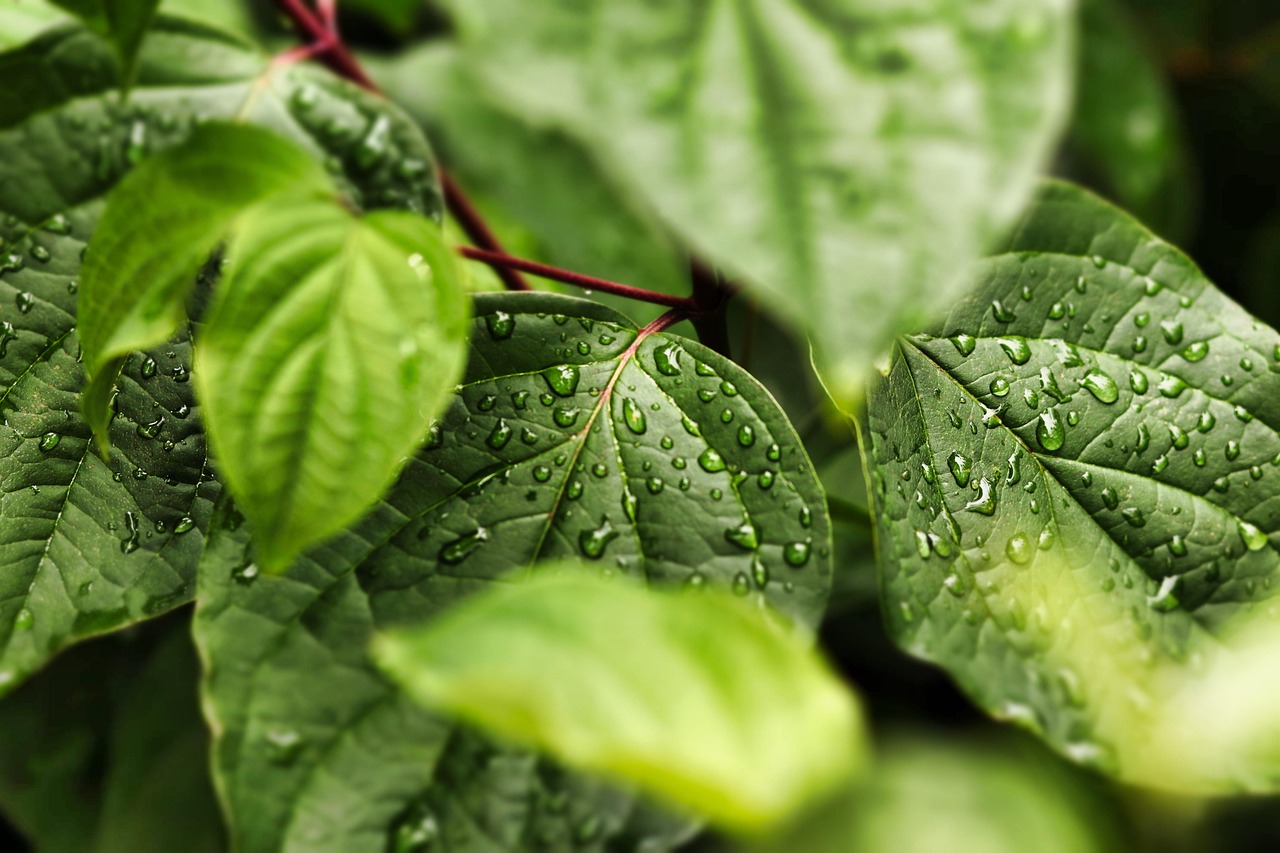
The rainy season brings both challenges and opportunities for composting enthusiasts. While moisture is essential for decomposition, excessive rainfall can waterlog your compost pile, washing away nutrients and creating anaerobic conditions that halt the composting process.

Understanding how to protect your compost during wet weather is crucial for maintaining a healthy, productive pile that continues to transform organic waste into nutrient-rich soil amendment. Whether you’re an experienced composter or just starting your sustainable gardening journey, preparing your compost for the rainy season will ensure you don’t lose months of hard work to weather-related setbacks.
🌧️ Understanding the Impact of Rain on Your Compost Pile
Rain affects compost in multiple ways, both beneficial and detrimental. A light to moderate rainfall can actually help maintain ideal moisture levels, keeping your pile at the perfect consistency for microbial activity. However, heavy downpours and prolonged wet periods create serious problems that can derail your composting efforts.
Excessive moisture drives out oxygen from the pile, creating anaerobic conditions where beneficial aerobic bacteria cannot survive. Instead, anaerobic bacteria take over, producing foul-smelling compounds like hydrogen sulfide and methane. The compost becomes slimy, smelly, and cold, with decomposition grinding to a halt.
Additionally, heavy rains can leach valuable nutrients from your compost, washing nitrogen, phosphorus, and other essential elements into the surrounding soil or runoff water. This nutrient loss diminishes the quality of your finished compost and represents wasted organic resources.
Pre-Season Preparation: Setting Up for Success
Preparing your compost system before the rainy season arrives is the most effective strategy for protection. Taking proactive measures now will save you considerable effort and frustration later when storms arrive.
Strategic Location Assessment
If you haven’t yet established your compost pile, location selection is critical. Choose a spot with good drainage where water won’t pool around or under your pile. A slight slope is ideal, allowing excess water to drain away naturally without eroding the pile itself.
Avoid low-lying areas, depressions, or spots at the bottom of slopes where rainwater naturally collects. Similarly, position your compost away from roof drainage paths and areas where runoff concentrates during storms.
Foundation and Base Layer Construction
Creating a proper foundation prevents your compost from sitting in saturated soil. Start by laying a base of coarse materials that promote drainage and airflow from beneath the pile.
Excellent foundation materials include:
- Small branches and twigs (2-4 inches in diameter)
- Wood chips or bark mulch
- Straw bales positioned to create air gaps
- Wooden pallets raised on bricks or concrete blocks
- Gravel or crushed stone layer (4-6 inches deep)
This drainage layer should extend at least 6-12 inches beyond the edges of your planned pile to effectively channel water away from the composting materials.
☂️ Essential Coverage Options for Rain Protection
Protecting your compost from excessive rainfall requires effective covering strategies that shed water while still allowing air circulation. The right cover depends on your compost system type, budget, and local rainfall intensity.
Tarp and Plastic Sheeting Solutions
Heavy-duty tarps represent the most common and cost-effective rain protection method. Choose dark-colored, UV-resistant tarps rated for outdoor use, as they’ll absorb solar heat while withstanding weather exposure.
When using tarps, secure them loosely over the pile with bungee cords, ropes, or weights, allowing some air circulation at the edges. Never wrap the pile tightly or create an airtight seal, as this will trap moisture and create anaerobic conditions.
For improved durability, consider agricultural-grade greenhouse plastic or pond liner material, which resists tearing better than standard tarps and can last multiple seasons.
Permanent Structural Covers
For long-term composting operations, investing in permanent covers provides superior protection and convenience. Options include:
- Hinged wooden lids with waterproof coating
- Corrugated metal or plastic roofing panels
- Purpose-built compost bin covers
- Small roof structures or sheds designed specifically for compost
When constructing permanent covers, ensure they extend beyond the pile edges by at least 12 inches and include ventilation gaps or adjustable openings to maintain airflow.
Natural and Biodegradable Cover Materials
Some composters prefer natural covering materials that eventually decompose and integrate into the pile. Thick layers of straw, dried leaves, or cardboard can provide moderate rain protection while contributing carbon-rich brown materials to your compost.
These materials work best for light to moderate rainfall and require regular replacement as they decompose or become saturated. They’re ideal for composters seeking completely natural, zero-waste solutions.
🔄 Moisture Management During the Rainy Season
Even with protective covering, monitoring and managing moisture levels throughout the wet season remains essential for compost health.
The Squeeze Test: Assessing Moisture Content
Regularly check your compost’s moisture level using the simple squeeze test. Grab a handful of material from the pile’s interior and squeeze firmly. Ideal moisture produces a few drops of water, similar to a wrung-out sponge.
If water streams out freely, your pile is too wet and needs immediate attention. If the material feels dry and dusty, it needs more moisture despite the rainy season—this sometimes happens with well-protected piles or those with excessive brown materials.
Correcting Waterlogged Compost
When your pile becomes too wet, take immediate action to restore proper conditions:
- Add generous amounts of dry brown materials like shredded cardboard, sawdust, or dried leaves
- Turn the pile to incorporate dry materials and expose wet areas to air
- Create ventilation channels by pushing a stake or pipe into the pile at several points
- Temporarily remove covering to allow evaporation during dry periods
- Consider relocating severely waterlogged material to a better-drained location
Creating Drainage Channels
For established piles experiencing water accumulation, dig shallow drainage trenches around the perimeter to direct water away. These channels should slope gently downhill, carrying excess water to a suitable drainage area or collection point.
⚖️ Balancing Green and Brown Materials in Wet Conditions
The rainy season often coincides with abundant green materials from garden cleanup and grass clippings, which already contain high moisture content. Managing the green-to-brown ratio becomes even more critical during wet weather.
Increase your brown material proportions during rainy periods, aiming for a 40:1 or even 50:1 carbon-to-nitrogen ratio instead of the typical 30:1. This extra carbon absorbs excess moisture while providing structure that prevents compaction and maintains airflow.
Stock up on brown materials before the rainy season begins. Store dry leaves, shredded paper, cardboard, and wood chips in protected areas where they’ll remain dry and ready to use throughout the wet season.
🌡️ Temperature Monitoring and Management
Excessive rain cools compost piles, slowing decomposition and potentially stopping it entirely. A healthy, active compost pile should maintain temperatures between 130-160°F in the center, with cooler outer layers.
During the rainy season, insulate your pile to help retain heat generated by microbial activity. Larger piles naturally maintain heat better than small ones, so consider consolidating multiple small piles into one larger mass during wet months.
Add insulating layers around the pile’s exterior using straw bales, bags of leaves, or even old blankets or carpet scraps under your waterproof cover. These materials trap heat while providing additional moisture protection.
🔧 Turning and Aeration Strategies for Wet Weather
Regular turning becomes both more important and more challenging during the rainy season. While you need to aerate your pile to prevent anaerobic conditions, turning during heavy rain can make the pile wetter.
Time your turning activities for dry periods, even if they’re brief. Check weather forecasts and plan to turn your pile when you’ll have at least 24-48 hours of dry weather afterward, allowing the newly exposed materials to dry slightly.
Consider reducing turning frequency but increasing aeration through other methods. Push perforated pipes, bamboo stakes, or bundled branches vertically into the pile to create permanent air channels. These passive aeration structures don’t require turning but still promote oxygen circulation.
📋 Your Comprehensive Rainy Season Compost Checklist
Use this practical checklist to ensure your compost pile remains healthy and productive throughout the wet season:
| Task | Frequency | Priority |
|---|---|---|
| Check and adjust covering | Before and after storms | High |
| Perform squeeze test | Weekly | High |
| Monitor temperature | Weekly | Medium |
| Add brown materials as needed | As conditions require | High |
| Turn pile (during dry periods) | Every 2-4 weeks | Medium |
| Clear drainage channels | Monthly | Medium |
| Inspect for pooling water | After heavy rains | High |
| Check for foul odors | Weekly | High |
🪱 Managing Worms and Beneficial Organisms During Wet Weather
If you incorporate vermicomposting or rely on beneficial insects and worms in your compost, the rainy season presents special considerations. Excessive moisture can drown worms and drive away beneficial insects, while poor conditions may attract pests.
Ensure your worm bins or worm-rich compost areas have excellent drainage and protection from direct rainfall. Worms require moisture but cannot survive in saturated, oxygen-depleted conditions. Create escape routes or dry refuges where worms can migrate if conditions become too wet.
Monitor for pest problems that arise in waterlogged compost, including certain fly species and slugs that thrive in overly wet conditions. Proper moisture management usually prevents these issues, but targeted interventions may be necessary if pests establish themselves.
🌱 Maintaining Nutrient Quality Despite Heavy Rains
Protecting the nutrient content of your compost during the rainy season requires preventing leaching while maintaining conditions that support continued decomposition and nutrient transformation.
Consider adding mineral amendments that resist leaching and provide slow-release nutrition. Rock dust, bone meal, and greensand remain relatively stable even in wet conditions and enhance your finished compost’s nutritional profile.
If you notice significant runoff from your compost area, consider collecting this nutrient-rich liquid as compost tea. While not ideal for your pile’s nutrient retention, captured runoff can be diluted and used immediately as a liquid fertilizer rather than being completely lost.
🏡 System-Specific Considerations for Different Compost Methods
Different composting systems require tailored approaches to rain protection based on their design and operation.
Bin Systems
Enclosed bin systems offer inherent rain protection but still need attention. Ensure lids fit securely and haven’t warped or cracked. Check that drainage holes in the bottom haven’t become clogged with compacted material. Consider placing bins on raised platforms or pallets to improve drainage.
Tumbler Systems
Compost tumblers typically include covers and elevated designs that naturally shed rain. However, check seals and latches to ensure they’re watertight. Be cautious about adding very wet materials during rainy periods, as tumblers can become waterlogged more easily than open piles.
Open Pile Systems
Traditional open piles require the most active rain protection. Implement all the covering, drainage, and moisture management strategies discussed earlier. Consider gradually transitioning to a partially enclosed system if your area experiences particularly intense rainy seasons.
Trench Composting
Trench or pit composting methods work differently in wet conditions. While the surrounding soil provides some protection, trenches in clay or poorly draining soil can become waterlogged sumps. In these cases, raise your composting method above ground during the rainy season or ensure trenches are in well-draining sandy or loamy soil.
💪 Building Long-Term Resilience Into Your Composting System
Beyond immediate rainy season tactics, developing a composting system that’s inherently resilient to weather variations creates less work and better results year-round.
Invest in quality infrastructure that withstands multiple seasons. While initial costs may be higher, durable bins, permanent covers, and proper foundation work pay dividends through reduced maintenance and consistent compost quality.
Maintain a diverse material input strategy so you’re never dependent on seasonal availability. Stockpile brown materials during dry seasons, preserve grass clippings as dried material, and develop relationships with local sources for consistent material supply regardless of weather.
Document your observations across multiple rainy seasons. Note which strategies work best for your specific location, rainfall patterns, and composting goals. This knowledge base becomes invaluable for troubleshooting problems and optimizing your system over time.
🌿 Embracing the Benefits: Rain as a Composting Resource
While this article focuses on protection from excessive rain, it’s important to recognize that moderate rainfall provides genuine benefits to composting operations. Rain naturally maintains moisture levels, reducing the need for manual watering and ensuring consistent decomposition rates.
The challenge isn’t eliminating rain’s influence but rather managing it thoughtfully. By implementing the strategies in this checklist, you transform rain from a potential problem into a valuable resource that supports rather than hinders your composting efforts.
A well-protected compost pile continues producing high-quality finished compost throughout the rainy season, ensuring you have nutrient-rich amendments ready when planting season arrives. This consistent production is ultimately what makes rain protection efforts worthwhile.

🎯 Taking Action: Your Next Steps for Weather-Ready Composting
The time to prepare your compost for the rainy season is before the first heavy storms arrive. Start by assessing your current setup against the recommendations in this checklist, identifying vulnerabilities and prioritizing improvements.
Begin with the highest-impact, lowest-cost interventions: adding proper covering, improving drainage around your pile, and stockpiling brown materials. These foundational steps provide immediate benefits and can be implemented with minimal investment.
As resources allow, gradually upgrade your system with more permanent solutions like sturdy bins, structural covers, or improved foundation layers. Each enhancement makes your composting operation more resilient and less dependent on constant monitoring and intervention.
Remember that successful composting during challenging weather isn’t about achieving perfection—it’s about maintaining conditions adequate for continued decomposition and preventing catastrophic problems that could destroy months of accumulated material. With the strategies and checklist provided here, you’re well-equipped to keep your compost pile healthy, nutrient-rich, and productive regardless of what the rainy season brings.