Autumn composting transforms fallen leaves and garden debris into nutrient-rich gold for your soil. Mastering this seasonal art requires understanding the delicate balance between ingredients and maintaining the right turning schedule.

As temperatures drop and leaves blanket your yard, you’re presented with a unique opportunity to create exceptional compost. The cooler weather of fall actually provides ideal conditions for building a compost pile that will reward you with dark, crumbly humus by spring. Unlike summer composting, autumn’s moderate temperatures prevent your pile from drying out too quickly while still maintaining enough warmth for microbial activity.
Why Autumn Is the Golden Season for Composting 🍂
Fall offers composters distinct advantages that other seasons simply cannot match. The abundance of carbon-rich materials like dried leaves, combined with the last flush of nitrogen-rich garden waste, creates perfect conditions for building a balanced compost pile. The natural moisture from autumn rains keeps your pile hydrated without the risk of waterlogging that spring often brings.
The microbial activity in autumn compost piles remains robust despite cooler temperatures. These beneficial organisms work steadily through fall and early winter, breaking down organic matter at a pace that allows for thorough decomposition. By the time spring planting season arrives, your compost will have matured into a rich soil amendment that plants absolutely thrive in.
Understanding the Carbon-to-Nitrogen Balancing Act
The foundation of successful composting lies in achieving the right carbon-to-nitrogen ratio, commonly referred to as the C:N ratio. The ideal ratio sits around 30:1, meaning thirty parts carbon to one part nitrogen. This balance provides the perfect fuel for the microorganisms that transform your organic waste into finished compost.
Carbon-Rich Brown Materials
Autumn delivers an abundance of carbon-rich “brown” materials that form the structural backbone of your compost pile. These materials provide energy for microorganisms and create air pockets essential for aerobic decomposition.
- Dried fallen leaves (the star ingredient of autumn composting)
- Straw and hay from garden cleanup
- Shredded newspaper and cardboard
- Wood chips and sawdust from untreated wood
- Dried plant stalks and stems
- Pine needles in moderation
Nitrogen-Rich Green Materials
Green materials provide the protein and moisture that microorganisms need to thrive. Even in autumn, you can find plenty of nitrogen-rich materials to balance your carbon-heavy leaf collection.
- Fresh grass clippings from final mowings
- Kitchen vegetable and fruit scraps
- Coffee grounds and tea bags
- Fresh plant trimmings and spent annuals
- Manure from herbivorous animals
- Garden soil containing active microorganisms
Building Your Autumn Compost Pile Layer by Layer
Constructing a well-balanced compost pile requires thoughtful layering. Think of it as building a lasagna where each layer serves a specific purpose. Starting with a coarse brown layer at the bottom ensures adequate drainage and airflow from the base upward.
Begin with six inches of coarse material like small branches or corn stalks. This creates an air chamber that prevents the pile from becoming compacted and anaerobic. Follow with alternating layers of brown and green materials, roughly maintaining a 2:1 or 3:1 ratio by volume of browns to greens. Remember that browns are less dense than greens, so this visual ratio translates to the proper C:N balance.
After each few layers, add a thin sprinkling of finished compost or garden soil. This introduces beneficial microorganisms that jumpstart the decomposition process. Lightly water each layer until it’s as moist as a wrung-out sponge. Too much water drives out oxygen and creates smelly anaerobic conditions, while too little halts microbial activity.
The Perfect Turning Schedule for Autumn Compost
Turning your compost pile serves multiple critical functions: it reintroduces oxygen, redistributes moisture, moves outer materials to the hot center, and helps maintain consistent temperatures throughout the pile. Your turning schedule depends on your composting goals and the time you have available.
Hot Composting Method: Weekly Turning
If you want finished compost by early spring, hot composting with weekly turning is your best approach. This active method maintains pile temperatures between 130-150°F (55-65°C), which rapidly breaks down materials and destroys weed seeds and pathogens.
Turn your pile thoroughly once per week during the first month. Use a pitchfork or compost aerator to move material from the edges into the center and vice versa. After turning, the pile should reheat within 24-48 hours if your balance is correct. If it doesn’t reheat, you likely need more nitrogen-rich materials or additional moisture.
Moderate Composting: Bi-Weekly Schedule
For a less demanding approach that still produces finished compost within 3-4 months, turn your pile every two weeks. This moderate schedule suits most home gardeners who want quality compost without intensive labor. The decomposition process moves more slowly but still progresses steadily through autumn and winter.
Cold Composting: Monthly or As-Needed Turning
Cold composting requires minimal effort but takes 6-12 months to produce finished compost. Turn the pile monthly or whenever you add significant new materials. This passive method works well for those with limited time or physical constraints. While slower, cold composting still produces excellent results and benefits from autumn’s favorable conditions.
Monitoring Temperature and Moisture Throughout Fall
Temperature serves as your compost pile’s vital sign, indicating whether your microbial workforce is thriving. A long-stemmed compost thermometer is an invaluable tool, though you can also assess heat by pushing your hand deep into the pile (carefully!).
During active composting, expect center temperatures between 130-150°F. If temperatures exceed 160°F, turn the pile immediately to prevent beneficial microbes from dying. If temperatures remain below 90°F despite proper C:N ratios, your pile may be too dry, too wet, or lacking sufficient volume to generate heat.
Autumn’s fluctuating weather requires vigilant moisture monitoring. Squeeze a handful of compost material—it should feel like a damp sponge with perhaps a drop or two of water released. Dry autumn winds can quickly desiccate the outer layers of your pile, while heavy rains may oversaturate it. Cover your pile with a tarp during extended rainy periods, but ensure some ventilation to prevent anaerobic conditions.
Troubleshooting Common Autumn Composting Challenges
The Pile Smells Bad 💨
Unpleasant odors signal anaerobic conditions caused by too much moisture, insufficient air circulation, or excess nitrogen. Turn the pile immediately and add dry brown materials like shredded leaves or newspaper. The smell should disappear within days as aerobic conditions return.
Decomposition Has Stalled
A pile that isn’t breaking down typically lacks nitrogen, moisture, or oxygen. Add fresh green materials and water if the pile is dry. Turn it thoroughly to reintroduce oxygen. In cooler late-autumn weather, decomposition naturally slows but shouldn’t stop completely if your ratios are correct.
Attracting Unwanted Pests
Rodents and other animals are drawn to food scraps in compost piles. Bury kitchen waste deep in the pile’s center where heat deters pests. Never compost meat, dairy, or oily foods. A properly maintained hot compost pile generally discourages pest problems through high temperatures and regular turning.
Leaves Matting and Not Breaking Down
Whole leaves, especially thick ones like oak or maple, can form impermeable mats that resist decomposition. Shred leaves with a lawn mower before adding them to your pile. This increases surface area for microbial action and prevents matting. Mix shredded leaves thoroughly with green materials rather than adding them in thick layers.
Specialized Ingredients for Autumn Compost Enhancement
Beyond basic browns and greens, certain ingredients can supercharge your autumn compost pile. Wood ash from your fireplace adds potassium and raises pH, but use sparingly—no more than a light dusting per layer. Seaweed or kelp meal provides trace minerals and natural growth hormones. Rock dust contributes essential minerals that enrich finished compost.
Coffee grounds deserve special mention as an autumn composting superstar. Local coffee shops often provide free used grounds, which offer nitrogen, improve soil structure, and attract beneficial earthworms. Despite their dark color, coffee grounds count as green material. Mix them throughout your pile rather than adding them in clumps.
Adapting Your Strategy as Winter Approaches ❄️
As temperatures drop toward winter, your compost pile’s activity will naturally slow. This doesn’t mean your work stops—it simply evolves. In late autumn, focus on achieving proper balance and moisture levels before the hard freeze arrives.
Consider building a larger pile in late autumn, as bigger piles retain heat better through winter. Aim for a minimum dimension of 3 feet x 3 feet x 3 feet. Insulate the pile’s exterior with extra leaves, straw, or burlap to help maintain core temperatures during cold snaps.
In regions with harsh winters, you might create a “winter holding pile” for kitchen scraps generated when your main pile freezes. Layer kitchen waste with shredded leaves or sawdust in a designated bin. Come spring, incorporate this material into your active pile.
Tools That Make Autumn Composting Easier 🔧
Having the right tools transforms composting from a chore into an enjoyable routine. A sturdy pitchfork with well-spaced tines is essential for turning and moving materials. A compost aerator—a tool with wings that fold when inserted and open when pulled up—allows you to add oxygen without full turning.
A quality compost thermometer with a 20-inch probe helps you monitor internal temperatures accurately. Garden gloves protect your hands during turning, and a tarp makes moving materials easier. For those processing large quantities of leaves, a dedicated leaf shredder is worth the investment.
Creating a Composting Schedule That Works for Your Life
Consistency matters more than intensity in composting success. Design a schedule that fits your lifestyle rather than attempting an ambitious routine you’ll abandon. Even 15 minutes weekly can maintain a productive compost pile if you’re organized.
Set specific days for compost tasks: perhaps Saturdays for turning, Wednesdays for adding kitchen scraps, and monthly temperature and moisture checks. Many gardeners find that creating a simple checklist or calendar reminder helps maintain momentum through the busy autumn season.
The Spring Payoff: Using Your Finished Autumn Compost
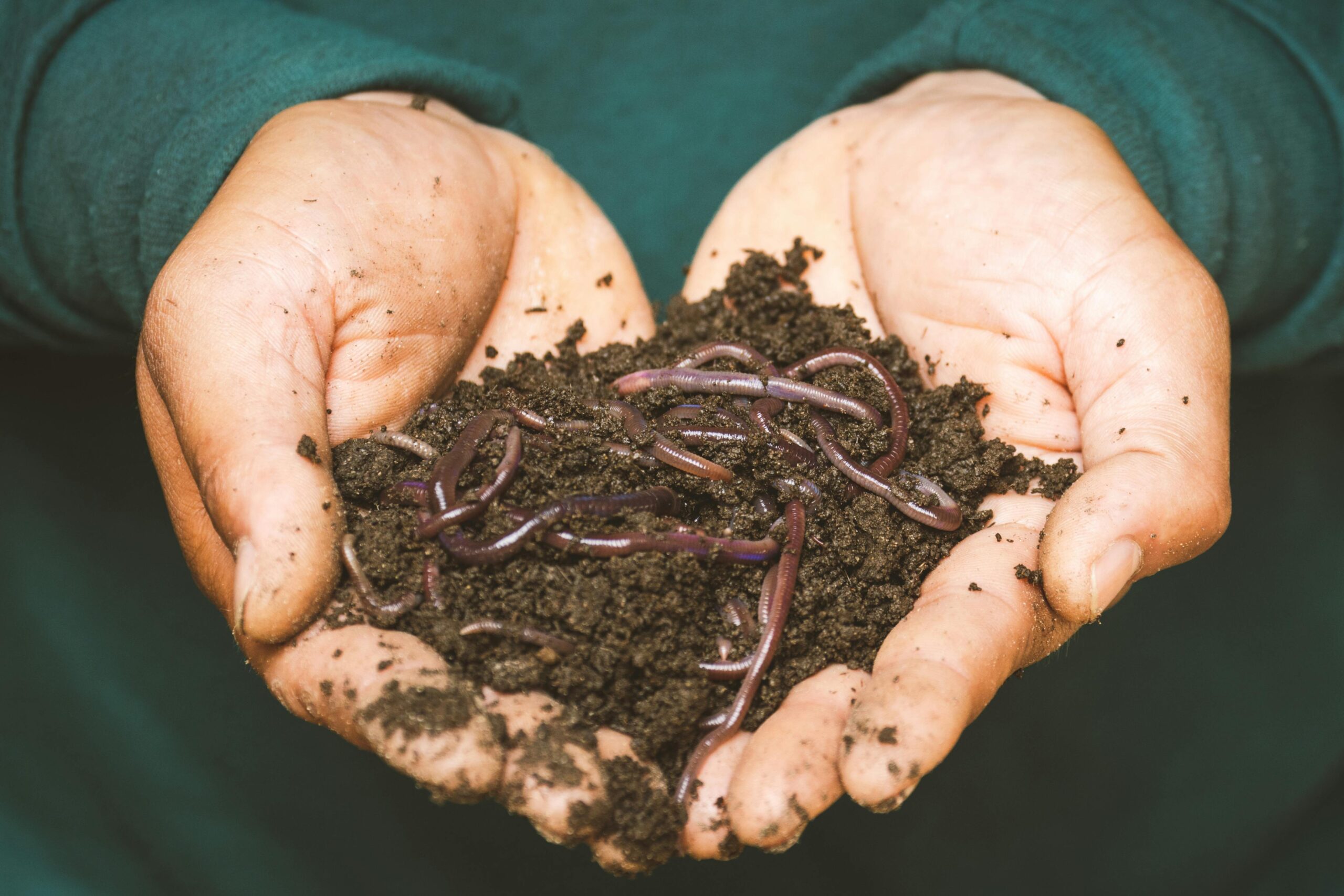
Your autumn composting efforts culminate in spring when you harvest dark, crumbly, earth-smelling compost. Finished compost should have no recognizable original materials except perhaps a few woody bits that need more time.
Screen your compost through a half-inch mesh to remove unfinished pieces and achieve uniform texture. Use finished compost as a top dressing for lawns, mixed into garden beds before planting, as a component of potting soil, or as a nutritious mulch around established plants. The microbial diversity and nutrient content of well-made compost cannot be replicated by synthetic fertilizers.
Building Compost Wisdom Through Observation
Every compost pile teaches unique lessons about the interaction between materials, microbes, moisture, and air. Keep notes about what you add, when you turn, temperature readings, and how quickly materials break down. Over seasons, you’ll develop an intuitive sense for balancing your pile and recognizing when intervention is needed.
Autumn composting connects you to natural cycles of growth, death, and renewal. Those fallen leaves that once seemed like a nuisance become valuable resources. Kitchen scraps transform from waste into fertility. You’re not just making compost—you’re participating in the fundamental processes that sustain all life on Earth.
As you master the art of autumn composting, you’ll find that the balancing act becomes second nature. You’ll instinctively know when to add more browns or greens, when the pile needs turning, and when to let it rest. This knowledge transforms you into a true steward of soil health, creating the foundation for abundant gardens year after year. The rich, healthy soil you produce through careful autumn composting practices represents far more than decomposed organic matter—it’s a testament to your growing partnership with nature’s cycles. 🌱