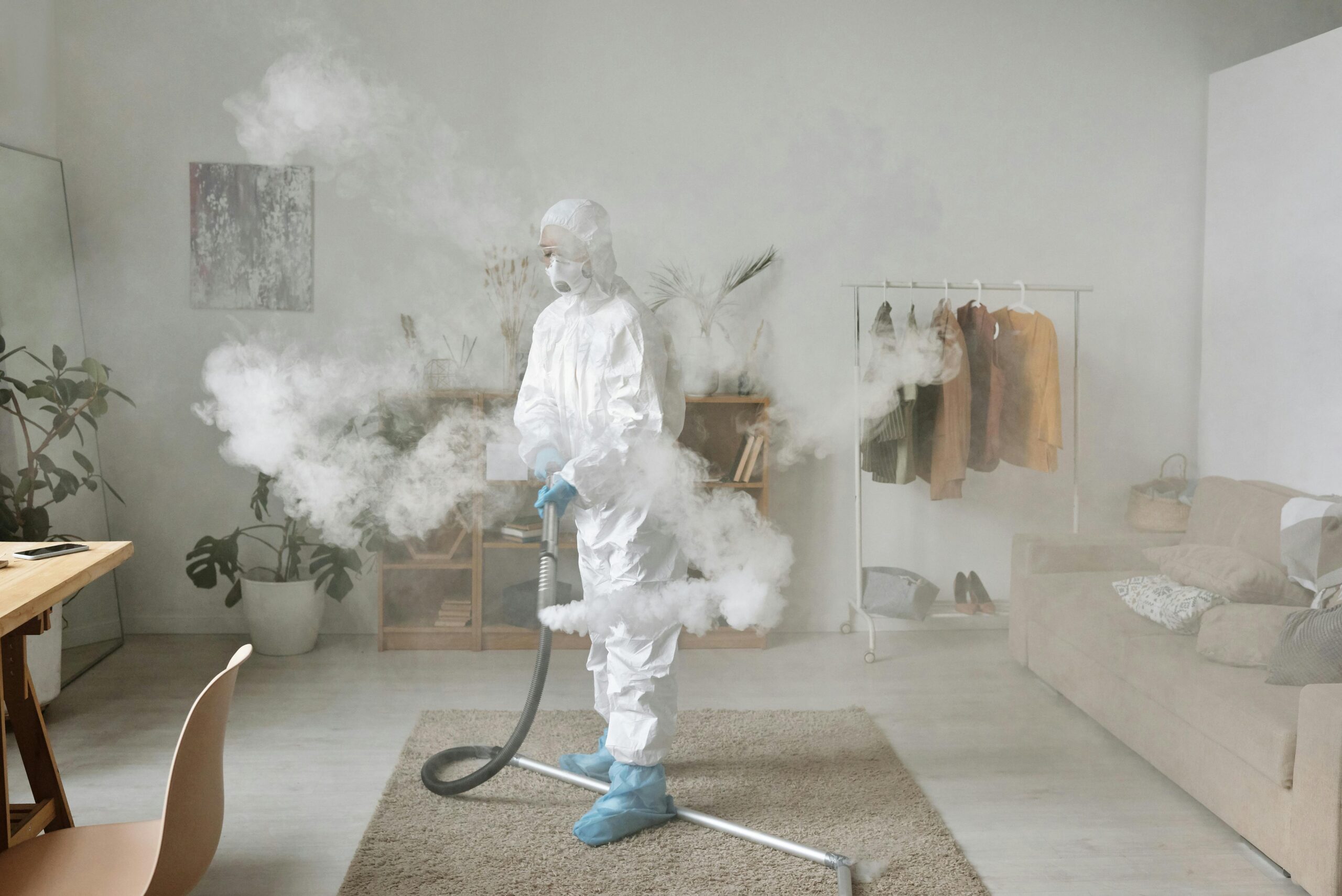
Keeping your bins clean isn’t just about aesthetics—it’s a crucial aspect of maintaining a healthy, hygienic home environment. Dirty bins can harbor bacteria, attract pests, and create unpleasant odors that permeate throughout your living spaces.

Whether you’re dealing with kitchen waste bins, bathroom containers, or outdoor wheelie bins, proper cleaning and maintenance are essential for your family’s health and wellbeing. This comprehensive guide will walk you through everything you need to know about achieving spotless bins while prioritizing safety and efficiency.
🧼 Why Bin Hygiene Matters More Than You Think
Many homeowners overlook the importance of regular bin cleaning, viewing it as a minor household chore. However, neglected bins can become breeding grounds for harmful bacteria like E. coli, Salmonella, and Listeria. These microorganisms thrive in the moist, nutrient-rich environment that food waste creates, potentially spreading to other surfaces in your home.
Beyond health concerns, dirty bins attract flies, maggots, rodents, and other pests that can compromise your home’s hygiene. The lingering odors from decomposing waste can also affect your indoor air quality and create an unwelcoming atmosphere for family members and guests alike.
Regular bin maintenance isn’t just about cleanliness—it’s about creating a protective barrier between your household and potential health hazards. By implementing proper cleaning routines, you’ll extend the lifespan of your bins while ensuring a fresher, more pleasant home environment.
Essential Safety Equipment for Bin Cleaning
Before diving into the cleaning process, it’s crucial to gather the right protective equipment. Safety should always be your top priority when handling waste containers and cleaning agents.
Personal Protection Gear You’ll Need
- Heavy-duty rubber gloves: Protect your hands from bacteria, sharp objects, and harsh cleaning chemicals
- Face mask or respirator: Prevent inhalation of dust, mold spores, and unpleasant odors
- Protective eyewear: Shield your eyes from splashes when using cleaning solutions
- Waterproof apron: Keep your clothing clean and dry during the cleaning process
- Closed-toe rubber boots: Essential for outdoor bin cleaning to protect your feet
Never attempt to clean bins without appropriate protection. Even seemingly minor cuts or scratches can become infected when exposed to bacteria commonly found in waste containers. Investing in quality protective gear is an investment in your health and safety.
🧴 Choosing the Right Cleaning Products
Selecting appropriate cleaning solutions is critical for effective bin sanitization. The right products will eliminate bacteria, neutralize odors, and prevent future contamination without causing damage to the bin materials or harm to the environment.
Safe and Effective Cleaning Solutions
For standard bin cleaning, a mixture of hot water and dish soap provides excellent basic cleaning power. However, for deeper sanitization, consider these options:
- White vinegar solution: Mix one part vinegar with one part water for a natural disinfectant that cuts through grease and neutralizes odors
- Baking soda paste: Combine baking soda with water to create a gentle abrasive that tackles stubborn stains
- Bleach solution: Use one part bleach to ten parts water for powerful disinfection (outdoor use recommended)
- Enzymatic cleaners: Break down organic matter at a molecular level, eliminating odor-causing bacteria
- Tea tree oil spray: Natural antibacterial properties make this an eco-friendly sanitizing option
Always read product labels carefully and never mix cleaning chemicals, especially bleach with ammonia or vinegar, as this can create toxic fumes. When using strong disinfectants, ensure adequate ventilation and allow proper contact time for maximum effectiveness.
Step-by-Step Indoor Bin Cleaning Process
Kitchen and bathroom bins require regular attention due to their constant use and exposure to various types of waste. Follow this comprehensive cleaning protocol to maintain optimal hygiene.
Weekly Maintenance Routine
Begin by removing the bin liner and disposing of it properly. Empty any residual waste or liquid that may have leaked to the bottom of the bin. This is your opportunity to inspect for any damage, cracks, or wear that might compromise hygiene.
Take the bin to a suitable cleaning area—preferably outdoors or in a well-ventilated space like a garage or utility room. Spray the interior thoroughly with your chosen cleaning solution, ensuring you reach all corners and crevices where bacteria can accumulate.
Use a dedicated bin-cleaning brush with stiff bristles to scrub all interior surfaces, paying special attention to the bottom and sides where residue tends to accumulate. Don’t forget the lid, both inside and out, as this area often harbors bacteria from hand contact.
Rinse thoroughly with hot water, ensuring all cleaning solution and loosened debris are completely removed. Shake out excess water and allow the bin to air dry completely before inserting a fresh liner. This drying step is crucial—moisture promotes bacterial growth and odor development.
Deep Cleaning Protocol (Monthly) ✨
Once a month, perform a more intensive cleaning routine. Soak the bin in a bathtub or large container filled with hot water and disinfectant solution for 15-20 minutes. This deep soak penetrates porous surfaces and eliminates embedded bacteria.
After soaking, scrub with a strong disinfectant solution, focusing on textured surfaces and any visible staining. For persistent odors, sprinkle baking soda inside the dry bin and let it sit overnight before vacuuming out. The baking soda will absorb lingering smells and moisture.
Consider disinfecting the area where your bin sits, as bacteria can transfer to floors and surrounding surfaces. Wipe down the immediate vicinity with a disinfectant solution to prevent cross-contamination.
🏡 Outdoor Wheelie Bin Maintenance
Larger outdoor bins present unique challenges due to their size and the volume of waste they contain. These bins often accumulate stubborn residues and can develop particularly strong odors if not properly maintained.
Professional-Level Cleaning at Home
Choose a warm, sunny day for outdoor bin cleaning—the heat helps sanitize and speeds up drying time. Position the bin in a suitable drainage area, such as a driveway or patio, where runoff won’t cause problems.
Start by hosing out loose debris and giving the interior a thorough rinse. Fill the bin with several inches of hot water mixed with a strong disinfectant solution. Use a long-handled brush or mop to scrub all interior surfaces, working methodically from top to bottom.
Pay special attention to the rim, handles, and wheels, as these areas accumulate grime from regular handling and contact with collection trucks. Rinse thoroughly with a high-pressure hose setting to remove all cleaning solution and dislodged waste particles.
Tip the bin upside down to drain completely and allow it to air dry in direct sunlight. UV rays provide natural disinfection, adding an extra layer of sanitization to your cleaning efforts. Before returning the bin to service, spray the interior with a disinfectant solution and allow it to dry.
Preventing Odors and Bacterial Growth
Prevention is always easier than remediation. By implementing smart practices, you can significantly reduce the frequency and intensity of deep cleaning required while maintaining a consistently fresh environment.
Smart Prevention Strategies 💡
Always use properly fitted bin liners to create a barrier between waste and the bin surface. Choose quality liners that won’t tear easily, as leaks are the primary cause of bin contamination and odor issues.
Wrap particularly smelly waste items, such as fish scraps or meat packaging, in newspaper or sealed bags before placing them in the bin. This extra layer contains odors and prevents liquids from leaking.
Sprinkle baking soda, cat litter, or commercial odor-absorbing granules at the bottom of your bin before inserting a new liner. These materials absorb moisture and neutralize developing odors between cleaning sessions.
Never leave organic waste sitting in indoor bins for extended periods, especially during warm weather. Empty kitchen bins at least every two to three days, even if they’re not completely full, to prevent decomposition and bacterial multiplication.
Consider using bins with tight-fitting lids and foot pedals to minimize hand contact and contain odors more effectively. Touchless designs reduce bacterial transfer and make your bins more hygienic overall.
🌿 Eco-Friendly and Natural Cleaning Alternatives
For households prioritizing environmental sustainability, several natural cleaning methods deliver excellent results without harsh chemicals. These alternatives are safer for families with children and pets while remaining effective at sanitization.
Green Cleaning Solutions That Work
Lemon juice combined with salt creates a powerful natural cleaner with antibacterial properties and a fresh scent. Cut a lemon in half, dip it in coarse salt, and use it to scrub bin interiors, then rinse thoroughly.
Essential oil sprays offer both cleaning power and pleasant aromatics. Mix water with several drops of tea tree, eucalyptus, or lavender oil in a spray bottle. These oils have natural antimicrobial properties that help prevent bacterial growth.
Hydrogen peroxide serves as an effective, eco-friendly disinfectant. Use a 3% solution directly on bin surfaces, allowing it to sit for several minutes before rinsing. It breaks down into harmless water and oxygen, leaving no toxic residue.
For stubborn stains and odors, create a paste from baking soda and white vinegar. The fizzing reaction helps lift grime while the combination neutralizes odors at a molecular level. This dynamic duo works wonders on even the most neglected bins.
Seasonal Bin Maintenance Considerations
Different seasons present unique challenges for bin hygiene. Adapting your cleaning routine to seasonal conditions ensures year-round freshness and prevents weather-related issues.
Summer Strategies ☀️
Hot weather accelerates decomposition and intensifies odors. During summer months, increase your cleaning frequency and consider storing bins in shaded areas to reduce heat exposure. Maggot infestations are more common in warm weather, so vigilance is essential.
If you discover maggots, pour boiling water into the bin (after emptying it) to eliminate them immediately. Follow with a thorough cleaning and disinfection. Prevent future infestations by ensuring all organic waste is properly sealed and bins are cleaned more frequently.
Winter Considerations ❄️
Cold weather can cause liquids to freeze to bin surfaces, making cleaning more challenging. If possible, bring bins into a warmer area before cleaning, or use warm (not boiling) water to thaw frozen residues gradually.
Winter cleaning sessions require extra consideration for drying time. Moisture that doesn’t fully evaporate can freeze and expand, potentially damaging bins. Dry bins as thoroughly as possible indoors before returning them to outdoor storage.
Common Mistakes to Avoid
Even well-intentioned cleaning efforts can backfire if you make these common errors. Awareness of potential pitfalls helps you maintain effective hygiene practices without creating new problems.
What Not to Do
Never use extremely hot or boiling water on plastic bins, as this can cause warping or release harmful chemicals from the plastic material. Warm water is sufficient for effective cleaning without risking damage.
Avoid mixing different cleaning chemicals, especially ammonia-based products with bleach. This combination creates toxic chloramine gases that can cause serious respiratory problems.
Don’t neglect the exterior of your bins. Outside surfaces collect dust, dirt, and bacteria from handling and environmental exposure. A complete cleaning includes both interior and exterior surfaces for comprehensive hygiene.
Skipping the drying phase is a critical mistake. Returning a wet bin to service creates the perfect environment for bacterial multiplication and mold growth. Always ensure bins are completely dry before use.
Creating a Sustainable Cleaning Schedule 📅
Consistency is key to maintaining bin hygiene without becoming overwhelmed. Establish a realistic cleaning routine that fits your household’s needs and lifestyle.
For indoor kitchen bins, aim for a quick rinse weekly and a thorough cleaning monthly. Bathroom bins can typically go longer between cleanings unless they contain organic waste. Outdoor wheelie bins benefit from quarterly deep cleaning, with spot treatments as needed between sessions.
Set reminders on your phone or include bin cleaning in your regular household maintenance schedule. Treating it as a routine task rather than an occasional chore ensures it doesn’t get overlooked or postponed indefinitely.
Consider designating specific cleaning days—perhaps the day before your waste collection service arrives. This timing ensures your bins are clean and fresh when they’re emptied, maximizing the time before they need attention again.
Special Situations and Problem-Solving
Sometimes bins develop issues that require specific solutions beyond standard cleaning. Knowing how to address these problems ensures you can handle any situation that arises.
Dealing with Persistent Odors
If odors persist despite regular cleaning, the bin material itself may have absorbed smells. Soak the bin overnight in a solution of white vinegar and water, then scrub thoroughly. For plastic bins, exposure to direct sunlight for several hours can help dissipate absorbed odors.
Activated charcoal pouches placed at the bottom of bins provide ongoing odor control. Replace these monthly for continuous freshness. Cedar chips or coffee grounds also work well as natural deodorizers.
Addressing Stains and Discoloration
For stubborn stains, create a paste from baking soda and hydrogen peroxide. Apply generously to stained areas, let sit for 30 minutes, then scrub with a stiff brush. This combination provides gentle bleaching action without harsh chemicals.
Regular maintenance prevents most staining issues, but older bins may develop permanent discoloration. This doesn’t necessarily indicate poor hygiene—it’s often simply a cosmetic issue from years of use.
Maintaining Long-Term Bin Health 🛡️
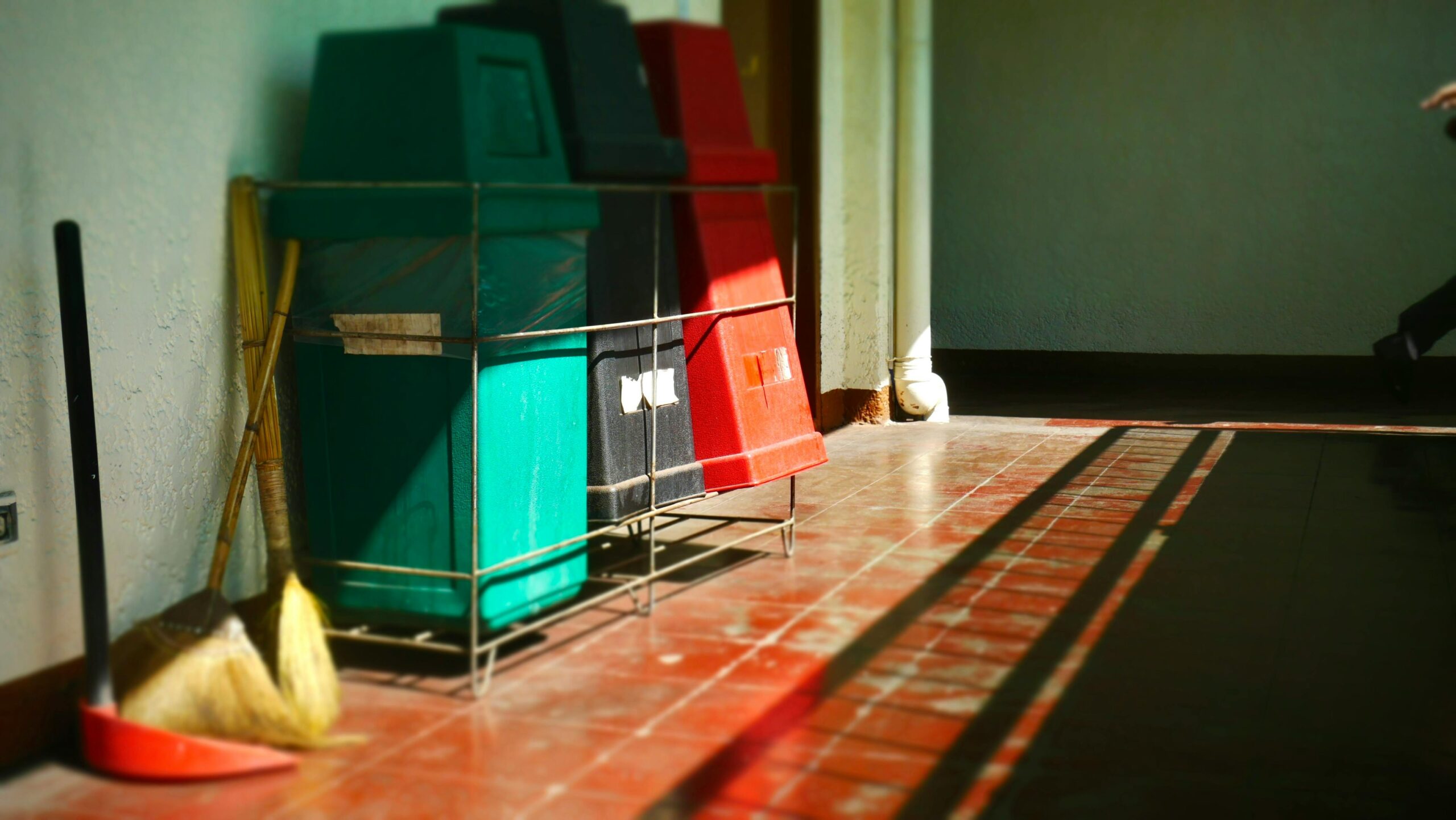
Proper care extends the lifespan of your bins while maintaining optimal hygiene. Inspect bins regularly for cracks, splits, or damage that could harbor bacteria or allow leaks. Replace damaged bins promptly to prevent hygiene issues and maintain effective waste containment.
Rotate multiple bins if possible, allowing recently cleaned bins to fully air out before returning to service. This practice ensures you always have a fresh, completely dry bin available while others undergo maintenance.
Document your cleaning schedule and any issues you encounter. This record helps you identify patterns, such as seasonal odor problems or recurring stains, allowing you to adjust your maintenance approach proactively.
By mastering these essential cleaning and maintenance techniques, you’ll transform your bins from potential health hazards into properly maintained household components. The investment of time and effort in regular bin hygiene pays dividends in improved home freshness, reduced pest problems, and enhanced overall wellbeing for your entire household. Remember that consistent, proper maintenance is always easier than dealing with neglected, heavily contaminated bins. Start implementing these practices today, and enjoy a cleaner, healthier, more pleasant home environment for years to come.