Composting transforms kitchen scraps and yard waste into black gold for your garden. This ancient practice reduces landfill waste while creating nutrient-rich soil that plants absolutely love.

Whether you’re a seasoned gardener or just starting your sustainability journey, mastering composting techniques will revolutionize how you think about organic waste. The secret lies in understanding three critical elements: freshness, aeration, and moisture balance. When these components work together harmoniously, you’ll produce premium compost that transforms ordinary gardens into thriving ecosystems bursting with life and productivity.
🌱 Understanding the Science Behind Successful Composting
Composting is essentially controlled decomposition where microorganisms break down organic matter into humus-rich soil amendment. These microscopic workers require specific conditions to thrive and efficiently convert your waste into garden treasure. The process involves bacteria, fungi, actinomycetes, and other decomposers working in concert to transform complex organic compounds into simpler, plant-available nutrients.
Temperature plays a crucial role in this biological process. A well-managed compost pile heats up naturally, reaching temperatures between 135°F and 160°F in the active composting phase. This heat results from microbial activity and serves the dual purpose of accelerating decomposition while killing weed seeds and potential pathogens. Understanding this thermal dynamic helps you gauge whether your pile is functioning optimally.
The carbon-to-nitrogen ratio represents another fundamental principle. Effective composting requires balancing “brown” materials (high in carbon) with “green” materials (high in nitrogen). Browns include dried leaves, straw, cardboard, and wood chips, while greens encompass fresh grass clippings, fruit and vegetable scraps, coffee grounds, and fresh plant trimmings. The ideal ratio sits around 30:1 carbon to nitrogen.
Keeping Your Compost Materials Fresh and Balanced
Fresh organic materials are the lifeblood of productive composting. The fresher your inputs, the more readily microorganisms can begin breaking them down. Kitchen scraps should be added to your compost bin within a day or two of generation to prevent anaerobic decomposition, which creates unpleasant odors and attracts unwanted pests to your composting area.
Diversity in compost ingredients creates a nutrient-rich final product. Rather than dumping large quantities of single materials, incorporate varied organic matter throughout the week. This variety ensures a broader spectrum of nutrients and encourages different microbial populations to flourish. Think of your compost pile as a diverse ecosystem rather than a simple waste receptacle.
What to Compost and What to Avoid
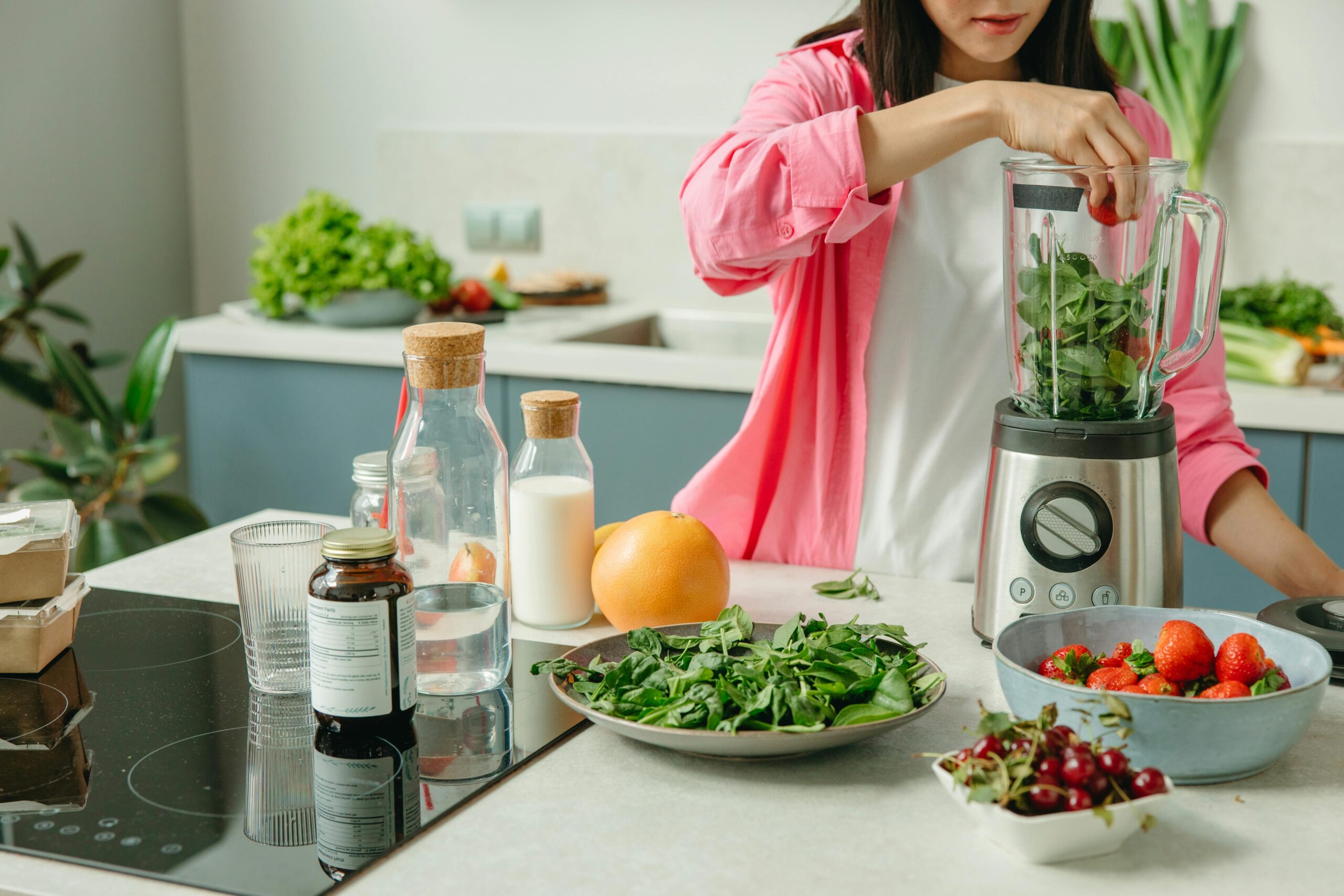
Knowing which materials accelerate composting versus those that create problems distinguishes successful composters from frustrated beginners. Excellent compost additions include vegetable and fruit scraps, crushed eggshells, coffee grounds with filters, tea bags, grass clippings, leaves, small prunings, shredded newspaper, and cardboard. These materials decompose relatively quickly and contribute valuable nutrients.
Materials to exclude from your compost pile include meat and fish products, dairy items, oils and fats, diseased plants, pet waste from carnivores, treated wood products, and synthetic materials. These items either decompose too slowly, attract pests, introduce pathogens, or contain harmful chemicals that compromise compost quality and safety.
- Vegetable and fruit scraps (chopped into smaller pieces for faster decomposition)
- Coffee grounds and paper filters (excellent nitrogen source)
- Crushed eggshells (add calcium and help balance pH)
- Grass clippings (in thin layers to prevent matting)
- Dried leaves and straw (essential carbon sources)
- Shredded newspaper and cardboard (carbon-rich and moisture-absorbing)
- Plant trimmings and dead flowers (nitrogen contributors)
- Wood chips and sawdust from untreated wood (slow-release carbon)
🌬️ Mastering Aeration for Optimal Decomposition
Oxygen availability determines whether your compost pile becomes a sweet-smelling decomposition powerhouse or a putrid anaerobic nightmare. Aerobic decomposition (with oxygen) proceeds rapidly, generates heat, and produces earthy-smelling humus. Anaerobic decomposition (without oxygen) creates foul odors, proceeds slowly, and produces fewer beneficial nutrients while potentially generating methane gas.
Turning your compost regularly introduces fresh oxygen throughout the pile, invigorating microbial populations and accelerating breakdown. Active composters turn their piles every three to seven days during warm weather, while less intensive approaches might turn monthly. Each turning redistributes materials, moves less-decomposed outer layers toward the active center, and prevents compaction that restricts airflow.
Techniques for Maintaining Proper Air Circulation
Physical structure significantly impacts aeration within your compost system. Building your pile with a base layer of coarse materials like small branches or corn stalks creates air channels that promote circulation from the bottom upward. This foundation prevents the pile from becoming a dense, oxygen-starved mass where decomposition stalls and anaerobic conditions develop.
Compost aerating tools make turning easier, especially for larger piles. These specialized implements feature wings or paddles that fold during insertion and expand when withdrawn, creating air channels and mixing materials with minimal effort. For smaller operations, a simple garden fork works perfectly well, though it requires more physical exertion to thoroughly mix materials.
Compost bin design influences aeration capacity. Bins with ventilation holes or slatted sides allow passive air exchange, reducing how frequently you need to turn materials manually. Tumbler-style composters make turning effortless—simply rotate the drum every few days to ensure consistent aeration throughout the composting mass.
💧 Achieving and Maintaining Perfect Moisture Levels
Moisture content represents the third critical element in the composting trinity. Your pile should feel like a wrung-out sponge—definitely damp but not dripping when squeezed. This moisture level, typically between 40-60% water content, provides the aqueous environment microorganisms need while maintaining adequate air spaces for oxygen circulation.
Too little moisture dramatically slows decomposition as microorganisms become dormant or die without sufficient water. Conversely, excessive moisture drowns microbes, fills air spaces, creates anaerobic conditions, and produces unpleasant odors. Both extremes compromise composting efficiency and final product quality, making moisture management essential for success.
Testing and Adjusting Moisture Content
The squeeze test offers the simplest moisture assessment method. Grab a handful of compost from the pile’s interior and squeeze firmly. Ideally, a few drops of water should appear, but not a steady stream. If the material feels dry and dusty, add water. If water streams out easily, incorporate dry brown materials like shredded cardboard, dried leaves, or straw to absorb excess moisture.
Seasonal adjustments keep moisture levels optimal year-round. Summer heat evaporates moisture quickly, requiring more frequent watering—sometimes weekly during extreme heat. Winter and rainy seasons may demand covering your pile to prevent waterlogging. A simple tarp draped over the compost protects against excessive rainfall while still allowing some air exchange.
Material selection influences moisture retention. Greens contain substantial water content and can make piles too wet if not balanced with absorbent browns. Conversely, autumn leaves and straw are quite dry and require additional moisture when added. Layering wet and dry materials as you build your pile helps achieve balanced moisture from the start.
Building Your Compost Pile for Maximum Efficiency
Proper construction methods set the foundation for composting success. Start with that coarse material base layer for drainage and aeration. Then alternate layers of green and brown materials, approximately three to four inches thick each. This lasagna-style layering ensures good carbon-to-nitrogen balance and helps moisture distribute evenly throughout the pile.
Size matters in composting. A pile smaller than three cubic feet struggles to generate and retain the heat necessary for active composting. Conversely, piles exceeding five feet cubed become difficult to manage, turn, and maintain proper aeration throughout. The ideal compost pile measures approximately three to five feet in all dimensions—large enough for thermophilic activity but manageable for regular maintenance.
Location Considerations for Your Compost System
Choosing the right spot for your compost operation influences convenience and success rates. Select a level, well-drained location that’s easily accessible year-round but not immediately adjacent to your house (to avoid any potential odor concerns, though properly managed compost shouldn’t smell bad). Partial shade helps prevent excessive drying in summer while still receiving enough sun to warm the pile.
Proximity to both your kitchen and garden streamlines the composting workflow. You’ll be more consistent about adding materials if the bin sits conveniently along a frequently traveled path. Similarly, having finished compost near garden beds makes application easier when planting season arrives, saving considerable wheelbarrow trips across your property.
⏰ Timeline: From Scraps to Finished Compost
Hot composting, where you actively manage temperature, moisture, and aeration, produces finished compost in as little as four to eight weeks during warm weather. This intensive method requires regular turning, moisture monitoring, and maintaining proper carbon-to-nitrogen ratios throughout the process. The reward for this effort is quick turnaround and pathogen-free compost suitable for all garden applications.
Cold composting represents a more passive approach where materials decompose gradually with minimal intervention. This method takes six months to two years, depending on materials and climate conditions. While slower, cold composting requires less work and still produces quality compost, making it ideal for gardeners who prefer a low-maintenance approach to waste reduction.
Vermicomposting using worms offers an alternative timeline and method, particularly suited for apartment dwellers or those with limited outdoor space. Red wiggler worms consume organic matter and produce nutrient-rich castings in approximately two to six months. This system operates efficiently indoors year-round and handles kitchen scraps beautifully, though it processes smaller volumes than traditional outdoor piles.
🔍 Troubleshooting Common Composting Challenges
Even experienced composters encounter occasional problems. Recognizing symptoms and understanding solutions keeps your system running smoothly. Foul odors typically indicate anaerobic conditions from excess moisture or insufficient aeration. Address this by turning the pile thoroughly and mixing in dry brown materials to absorb moisture and restore oxygen flow throughout the mass.
Pest attraction suggests improper materials or burial depth. Fruit flies swarm around exposed food scraps, while rodents investigate meat, dairy, or oily additions. Always bury kitchen scraps beneath at least six inches of existing compost or brown materials, and strictly avoid prohibited items that attract larger pests to your composting area.
Dealing with Temperature Issues
A pile that won’t heat up lacks sufficient nitrogen, moisture, or mass to support thermophilic bacteria. Add fresh grass clippings, coffee grounds, or other nitrogen-rich greens, ensure adequate moisture, and verify your pile meets the minimum three-cubic-foot threshold. Turning reactivates microbial populations by redistributing nutrients and introducing fresh oxygen to support their metabolic processes.
Excessive heat, exceeding 160°F, can kill beneficial organisms and slow decomposition. This rarely occurs in home composting but can happen in very large piles or with excessive nitrogen. Turn the pile to release heat, add carbon-rich browns to balance the ratio, and consider splitting an oversized pile into two more manageable units.
Harvesting and Using Your Finished Compost
Finished compost appears dark brown to black, has an earthy forest-floor aroma, and crumbles easily in your hands. Original materials should be unrecognizable except for occasional woody bits or eggshell fragments. This transformation typically takes several months, and the waiting proves worthwhile when you see how plants respond to this nutrient-rich amendment.
Screening compost removes larger uncomposted pieces and creates uniform texture perfect for seed starting or top-dressing lawns. A simple frame with half-inch hardware cloth works perfectly—toss compost onto the screen and shake gently, allowing finished material to fall through while setting aside larger pieces to return to an active pile for continued decomposition.
Application Methods for Various Garden Needs
Work compost into garden beds before planting, incorporating two to three inches into the top six inches of soil. This enriches the growing medium with organic matter, improves soil structure, enhances water retention in sandy soils, and increases drainage in clay soils. Your plants will respond with vigorous growth, improved disease resistance, and bountiful harvests that reflect the superior nutrition you’ve provided.
Use compost as mulch by spreading a two-to-three-inch layer around established plants, keeping it a few inches away from stems to prevent moisture-related disease issues. This living mulch suppresses weeds, moderates soil temperature, conserves moisture, and continues feeding plants as it gradually incorporates into the soil through earthworm activity and natural processes.
Create compost tea by steeping finished compost in water, creating a nutrient-rich liquid fertilizer perfect for feeding container plants or giving in-ground plants a mid-season boost. Simply place compost in a burlap bag or old pillowcase, suspend it in a bucket of water for several days, then use the resulting “tea” to water plants, diluting if it appears very dark.
🌍 Environmental Impact and Benefits
Home composting significantly reduces household waste sent to landfills, where organic matter generates methane—a greenhouse gas far more potent than carbon dioxide. By composting at home, you’re actively combating climate change while creating a valuable resource. The average household could divert 30% of its waste stream through composting, representing hundreds of pounds annually that enrich gardens rather than burdening waste management systems.
Compost-enriched soil sequesters carbon, locking atmospheric carbon dioxide into stable organic compounds that improve soil health for years. This dual benefit—reducing emissions while increasing soil carbon storage—makes composting one of the most impactful individual environmental actions available. Your small pile contributes to global solutions while transforming your immediate landscape.
Reducing dependence on synthetic fertilizers protects waterways from nutrient pollution that causes algae blooms and dead zones. Chemical fertilizers often contain more nutrients than plants can immediately use, with excess washing into streams and rivers during rainfall. Compost releases nutrients gradually as plants need them, minimizing environmental contamination while providing superior long-term soil fertility.
Advanced Composting Strategies for Enthusiasts
Bokashi composting ferments kitchen waste using specialized inoculant containing effective microorganisms. This anaerobic process occurs in sealed buckets and can process materials traditional composting cannot, including meat, dairy, and oils. The fermented material then gets buried in garden soil or added to traditional compost piles, where it quickly finishes decomposing into plant-available nutrients.
Multiple bin systems streamline continuous compost production. Using three bins allows simultaneous activities: filling one with fresh materials, actively composting in the second, and storing finished compost in the third. This rotation ensures you always have compost available for garden projects while new materials constantly progress through the decomposition pipeline.
Specialized composting for specific plants creates customized soil amendments. Acid-loving plants like blueberries and azaleas benefit from compost made with extra pine needles and oak leaves. Heavy-feeding vegetables appreciate compost enriched with additional grass clippings and kitchen scraps. Tailoring your composting inputs to specific garden needs demonstrates advanced understanding of plant nutrition and soil science principles.
Year-Round Composting Success
Winter composting continues despite freezing temperatures, though at reduced rates. Microbial activity slows dramatically but doesn’t stop completely, and piles often maintain warmth in their cores. Continue adding materials throughout winter, and decomposition will accelerate rapidly when spring temperatures return. Insulating your pile with extra straw or leaves helps maintain some activity during extremely cold periods.
Spring brings rapid composting as warming temperatures activate dormant microorganisms. This season offers perfect conditions—adequate moisture from spring rains, warming temperatures, and abundant green materials from early lawn mowing and spring cleaning. Take advantage of optimal conditions by turning piles frequently and adding diverse materials to maximize decomposition rates.
Summer heat accelerates decomposition but requires vigilant moisture management. Water your pile regularly during hot, dry periods, and consider locating it where it receives afternoon shade. The combination of heat and moisture creates perfect conditions for rapid composting, potentially producing finished compost in just weeks if you maintain optimal conditions and turn frequently.
Autumn provides abundant leaves—valuable carbon-rich material that balances nitrogen-heavy kitchen scraps accumulated during harvest season. Shred leaves before adding them to piles, as whole leaves mat together and resist decomposition. This seasonal abundance allows building reserves of brown materials that balance greens throughout the coming year, ensuring optimal ratios regardless of seasonal availability.
Mastering composting transforms how you view organic waste and garden fertility. By keeping materials fresh, maintaining proper aeration, and achieving perfect moisture balance, you’ll consistently produce rich, healthy soil that plants thrive in. This sustainable practice connects you to natural cycles while dramatically improving your garden’s productivity and environmental footprint. Start your composting journey today and discover why generations of gardeners consider finished compost more valuable than gold! ♻️