Composting transforms kitchen scraps and yard waste into nutrient-rich soil, but success depends on mastering one crucial principle: balancing greens and browns.

Whether you’re a beginner gardener or an experienced environmentalist, understanding this fundamental balance will revolutionize your composting experience. A well-balanced compost pile breaks down efficiently, enriches your garden naturally, and most importantly, eliminates those unpleasant odors that discourage many composting enthusiasts. Let’s dive into the science and art of creating the perfect compost mixture that works harmoniously with nature.
🌱 Understanding the Green and Brown Fundamentals
The foundation of successful composting lies in comprehending what greens and browns actually represent. These aren’t just color classifications—they refer to the nitrogen and carbon content in your composting materials, which microorganisms need to thrive and decompose organic matter effectively.
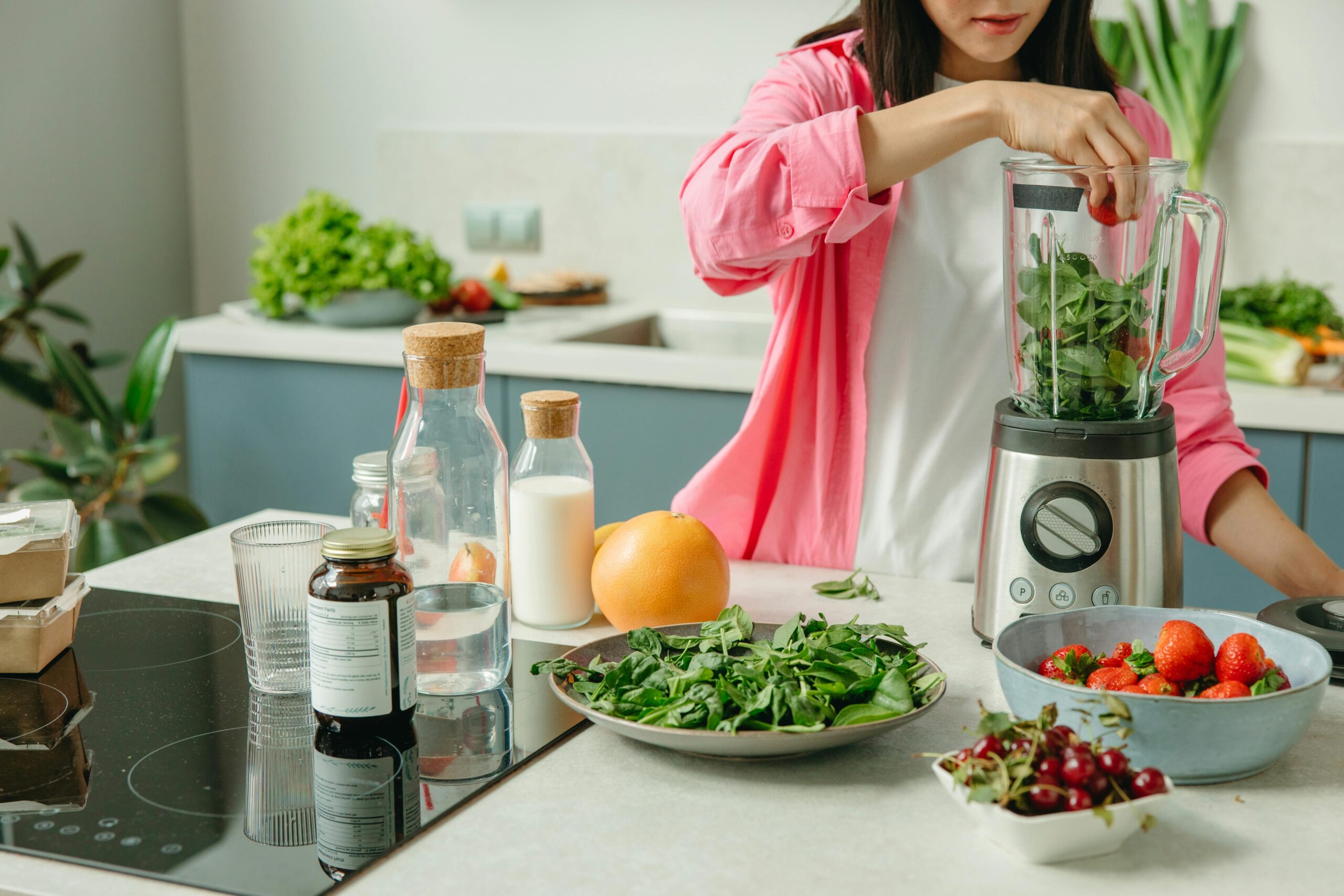
Greens are nitrogen-rich materials that provide protein for the microorganisms working in your compost pile. These materials are typically moist, fresh, and yes, often green in color. They’re the fuel that heats up your compost and accelerates decomposition. Common greens include fresh grass clippings, vegetable scraps, fruit peels, coffee grounds, and fresh plant trimmings.
Browns, conversely, are carbon-rich materials that provide energy and structure to your compost. They’re usually dry, woody, and brown or tan in appearance. Browns create air pockets in your pile, preventing compaction and ensuring proper oxygen flow. Think dried leaves, shredded newspaper, cardboard, straw, wood chips, and dried plant stems.
The Golden Ratio That Changes Everything
The magic formula for composting success is approximately 25-30 parts carbon (browns) to 1 part nitrogen (greens) by weight. However, since most home composters don’t weigh their materials, a more practical approach is using a volumetric ratio of roughly 3-4 parts browns to 1 part greens by volume.
This ratio ensures that microorganisms have enough nitrogen to build their cell structures while having sufficient carbon for energy. When this balance is achieved, your compost will heat up to optimal temperatures (between 135-160°F), decompose efficiently, and remain odor-free throughout the process.
🗑️ The Complete Guide to Green Materials
Identifying what qualifies as green material is essential for maintaining your compost balance. Here’s a comprehensive breakdown of nitrogen-rich additions for your pile:
- Kitchen scraps: Vegetable peels, fruit cores, eggshells, and coffee grounds with filters
- Fresh yard waste: Grass clippings, green leaves, and young weeds (before they seed)
- Plant materials: Soft green prunings, spent flowers, and fresh hedge trimmings
- Other organics: Tea bags, fresh seaweed, and plant-based food waste
- Animal-based (use cautiously): Hair, fur, and feathers from pets or livestock
Remember that while these materials are excellent for composting, some greens require special attention. Avoid adding meat, dairy, oils, or cooked foods, as these can attract pests and create anaerobic conditions that produce foul odors.
🍂 Mastering Your Brown Material Selection
Browns are equally critical to your composting success. Here’s what you should be collecting and adding to balance those nitrogen-rich greens:
- Autumn leaves: Dried leaves are composting gold—shred them for faster decomposition
- Paper products: Shredded newspaper, cardboard (remove tape and labels), paper bags, and paper towels
- Woody materials: Small twigs, wood chips, sawdust from untreated wood, and dried plant stalks
- Straw and hay: Excellent for structure, though hay may contain seeds
- Miscellaneous: Dryer lint (from natural fibers), paper egg cartons, and toilet paper rolls
The key with browns is ensuring they’re properly sized. Large pieces take significantly longer to decompose, so shredding or chopping your brown materials into smaller pieces dramatically speeds up the composting process.
⚖️ Recognizing and Correcting Imbalances
Your compost pile communicates its needs through various signs. Learning to read these signals allows you to make timely adjustments and maintain optimal conditions.
When You Have Too Many Greens
An excess of nitrogen-rich materials creates a wet, slimy, and notoriously smelly compost pile. The smell typically resembles ammonia or rotting food because the excess nitrogen volatilizes without sufficient carbon to absorb it. The pile may also become compacted and anaerobic, further intensifying odor problems.
Solution: Immediately add brown materials—lots of them. Mix in dried leaves, shredded cardboard, or straw thoroughly throughout the pile. Turn the compost to introduce oxygen and help dry out excess moisture. Continue monitoring and adding browns until the smell dissipates and the texture becomes more balanced.
When You Have Too Many Browns
A carbon-heavy pile presents different challenges. It remains cool, decomposes extremely slowly, and may appear dry and unchanged even after months. The microorganisms simply don’t have enough nitrogen to multiply and generate the heat needed for efficient decomposition.
Solution: Incorporate fresh green materials into your pile. Grass clippings work quickly, or add vegetable scraps and coffee grounds. Consider adding a nitrogen booster like aged manure or alfalfa meal. Water the pile if it’s too dry, as moisture is also essential for microbial activity.
🌡️ Temperature: Your Compost’s Vital Sign
Temperature is the best indicator of composting success. A properly balanced pile heats up naturally through microbial activity, reaching temperatures that kill weed seeds and pathogens while accelerating decomposition.
The ideal hot composting temperature ranges from 135-160°F in the pile’s center. At these temperatures, decomposition happens rapidly, and most harmful organisms are eliminated. You can monitor temperature with a compost thermometer inserted deep into the pile’s core.
If your pile isn’t heating up, it likely needs more greens or moisture. If it’s excessively hot (above 170°F), add more browns and turn the pile to release heat and prevent beneficial microorganisms from dying off.
💧 The Often-Overlooked Moisture Factor
While everyone focuses on greens and browns, moisture is the third critical element in the composting triangle. Your compost should feel like a wrung-out sponge—moist but not dripping wet.
Too much moisture drives out oxygen, creating anaerobic conditions that produce terrible odors. Too little moisture slows or stops microbial activity entirely. Greens typically add moisture, while browns help absorb excess water, making proper balance even more important.
During rainy periods, cover your pile or add extra browns to absorb moisture. In dry weather, water your pile while turning it, ensuring even distribution throughout the materials.
🔄 Turning Techniques for Optimal Results
Turning your compost serves multiple purposes: it reintroduces oxygen, redistributes moisture and materials, and moves outer materials to the hot center where decomposition is most active.
For hot composting, turn your pile every 3-5 days during the active phase. This frequent turning maintains high temperatures and can produce finished compost in as little as 3-4 weeks. For a more passive approach, turn monthly or whenever you notice the pile cooling down or developing odors.
When turning, move materials from the outside edges toward the center and bring center materials to the outside. This ensures all materials experience the hot zone and decompose evenly.
📅 Seasonal Composting Strategies
Spring and Summer Composting
Warmer months provide abundant green materials from lawn mowing and garden maintenance. The challenge becomes finding enough browns to balance all those grass clippings and vegetable scraps. Stock up on browns during autumn, storing dried leaves in bags or bins for summer use. Shredded newspaper and cardboard become invaluable carbon sources when natural browns are scarce.
Fall and Winter Approaches
Autumn delivers an abundance of leaves—nature’s perfect brown material. However, green sources become limited as growing seasons end. Save vegetable scraps more diligently, and consider these strategies: continue collecting coffee grounds from local cafés, use aged manure if available, or simply accept slower decomposition rates during cold months while building your pile for spring activation.
🏡 Different Composting Systems and Their Balance Requirements
Various composting methods have slightly different balance needs and management approaches.
Traditional Bin or Pile Composting
The standard approach allows maximum flexibility in managing your green-brown ratio. You can easily add materials, turn the pile, and make adjustments as needed. This method works best when you have sufficient space and regular access to both greens and browns.
Tumbler Composting
Enclosed tumblers make turning effortless but require more careful initial balance since adding materials to an active batch is less practical. Fill your tumbler with properly balanced materials from the start, ensuring adequate moisture before sealing and beginning rotation.
Vermicomposting (Worm Bins)
Worm composting requires gentler carbon-nitrogen ratios and less nitrogen overall, as concentrated greens can create conditions too hot or acidic for worms. Maintain a ratio closer to 1:1 or 2:1 (browns to greens), and always bury greens under bedding to prevent odors and fruit flies.
🚫 Troubleshooting Common Odor Issues
Odor is your compost pile’s way of signaling imbalance. Different smells indicate specific problems:
| Smell | Cause | Solution |
|---|---|---|
| Ammonia | Too much nitrogen (greens) | Add browns immediately and turn pile |
| Rotten eggs | Anaerobic conditions (no oxygen) | Turn pile thoroughly, add coarse browns for structure |
| Vinegar/sour | Too wet and acidic | Add browns, turn frequently, improve drainage |
| No decomposition | Too dry or too many browns | Add greens and water, turn to distribute moisture |
✨ Advanced Tips for Composting Excellence
Once you’ve mastered basic balance, these advanced strategies will elevate your composting game further:
Layer strategically: Build your pile in alternating layers of browns and greens rather than mixing randomly. This lasagna method ensures better distribution and makes visual assessment easier.
Chop everything smaller: Size matters significantly in composting. Smaller pieces have more surface area for microbial action, dramatically speeding decomposition. Invest in a garden chipper or simply use pruning shears to cut materials before adding them.
Create a brown stockpile: Dedicate space for storing dried leaves, shredded paper, and other browns. Having reserves ready means you can immediately address any green-heavy situations without scrambling for carbon sources.
Use texture as a guide: Beyond ratios, aim for varied particle sizes in your pile. Mixing fine materials (like coffee grounds) with coarse ones (like small sticks) creates better air circulation and prevents compaction.
🌍 The Environmental Impact of Balanced Composting
Proper composting does more than create garden gold—it significantly benefits the environment. When organic waste goes to landfills instead of compost piles, it decomposes anaerobically, producing methane, a greenhouse gas 25 times more potent than carbon dioxide.
By composting at home with proper green-brown balance, you’re diverting waste from landfills, reducing methane emissions, decreasing the need for chemical fertilizers, and improving soil health. A single household can divert hundreds of pounds of organic waste annually, making composting one of the most impactful environmental actions individuals can take.
🎯 Creating Your Personal Composting Schedule
Consistency transforms composting from a chore into a rewarding routine. Develop a schedule that works with your lifestyle while maintaining proper balance.
Weekly tasks should include collecting kitchen scraps in a countertop container, adding them to your pile with appropriate browns, and quick visual assessments of moisture and structure. Monthly maintenance involves thorough turning, temperature checking, and making any necessary adjustments to your green-brown ratio.
Keep a simple log noting what you add and when. Over time, you’ll recognize patterns in your household waste production and develop intuition about when your pile needs attention. This documentation also helps identify seasonal trends and plan your brown material collection accordingly.
🌟 The Reward: Black Gold for Your Garden
When everything comes together—proper green-brown balance, adequate moisture, sufficient oxygen, and appropriate temperature—your compost transforms into dark, crumbly, earth-smelling humus. This finished compost is gardening’s most valuable resource, rich in nutrients, beneficial microorganisms, and soil-building organic matter.
Finished compost should be dark brown or black, have an earthy forest floor smell, and be cool to the touch with no recognizable original materials except perhaps small woody pieces. Use it generously in garden beds, as potting mix amendment, for top-dressing lawns, or as compost tea fertilizer.
The journey from kitchen scraps and yard waste to this magnificent soil amendment represents the perfect circle of sustainability. By mastering the art of balancing greens and browns, you’ve unlocked nature’s recycling system, creating something valuable from what others consider waste while enjoying a completely odor-free, rewarding experience.
Start small, observe carefully, and adjust as needed. Your compost pile is a living system that responds to your care and attention. With the knowledge of proper green-brown balance, you’re now equipped to create perfect compost that enriches your garden, reduces waste, and connects you more deeply with natural cycles. Happy composting! 🌿