
Moisture control is the cornerstone of maintaining fresh, healthy indoor environments. When managed effectively, it prevents unpleasant odors and significantly improves air quality throughout your home or workspace.

Understanding the relationship between moisture, odors, and air quality empowers you to create comfortable living spaces. Excess humidity creates ideal conditions for mold growth, bacterial proliferation, and musty smells that compromise both comfort and health. By implementing proven moisture control protocols, you can transform any space into a fresh, breathable environment that supports wellbeing.
🌡️ Understanding the Moisture-Odor Connection
Moisture acts as a catalyst for numerous odor-causing processes in indoor environments. When relative humidity exceeds 60%, organic materials begin breaking down more rapidly, releasing volatile organic compounds (VOCs) that produce unpleasant smells. These compounds originate from various sources including building materials, furnishings, and biological growth.
The science behind moisture-related odors involves microbial activity. Bacteria, mold, and mildew thrive in damp conditions, producing metabolic byproducts that create distinctive musty smells. These microorganisms colonize porous surfaces like drywall, carpeting, and upholstery, establishing colonies that continuously generate odorous compounds.
Temperature fluctuations exacerbate moisture problems by creating condensation on cool surfaces. This phenomenon occurs when warm, humid air contacts cold windows, walls, or pipes, depositing water droplets that facilitate microbial growth and material degradation.
Identifying Moisture Sources in Your Space
Effective moisture control begins with identifying where excess humidity originates. Common sources include cooking activities, showering, laundry operations, and simple respiration from occupants. A typical household generates approximately 10-15 liters of moisture daily through normal activities.
Structural issues contribute significantly to moisture problems. Roof leaks, compromised foundations, damaged gutters, and poor drainage systems allow water infiltration that saturates building materials. These issues require immediate attention to prevent extensive damage and persistent odor problems.
External Moisture Intrusion Points
Building envelopes frequently develop vulnerabilities that permit moisture entry. Cracked mortar joints, deteriorated caulking around windows, and damaged flashing create pathways for water penetration. Ground-level moisture can wick upward through concrete foundations via capillary action, introducing dampness into basements and crawl spaces.
Landscaping choices also influence moisture levels. Improper grading that slopes toward structures, overwatered gardens near foundations, and dense vegetation touching exterior walls all contribute to elevated moisture levels inside buildings.
🎯 Strategic Ventilation Protocols
Proper ventilation forms the foundation of moisture management strategies. Natural ventilation through strategically opened windows creates cross-breezes that exchange humid indoor air with drier outdoor air. This passive approach works exceptionally well during moderate weather conditions when outdoor humidity levels are lower than indoor levels.
Mechanical ventilation systems provide controlled air exchange regardless of weather conditions. Exhaust fans in bathrooms and kitchens remove moisture at its source before it disperses throughout living spaces. These systems should operate continuously during moisture-generating activities and for at least 20 minutes afterward.
Calculating Required Ventilation Rates
Determining appropriate ventilation rates depends on room size, occupancy, and moisture generation levels. Building codes typically require bathroom exhaust fans to provide 50 cubic feet per minute (CFM), while kitchen range hoods should deliver 100-300 CFM depending on cooking equipment.
Whole-house ventilation systems exchange entire air volumes at calculated intervals. Heat recovery ventilators (HRVs) and energy recovery ventilators (ERVs) accomplish this while minimizing energy losses, making them ideal solutions for tightly sealed modern construction.
Dehumidification Technologies and Applications
Dehumidifiers actively remove moisture from air, offering precise humidity control that ventilation alone cannot achieve. Refrigerant dehumidifiers cool air below its dew point, condensing water vapor that drips into collection reservoirs. These units work efficiently in temperatures above 65°F and moderate to high humidity conditions.
Desiccant dehumidifiers absorb moisture using hygroscopic materials, functioning effectively in cooler temperatures where refrigerant models struggle. These devices suit basement applications, storage areas, and spaces with lower ambient temperatures.
Sizing and Placement Considerations
Dehumidifier capacity must match space requirements for optimal performance. Units are rated by daily moisture removal capacity, typically ranging from 30 to 95 pints per 24 hours. Selecting appropriate capacity requires calculating room volume and typical humidity levels.
Strategic placement maximizes dehumidifier effectiveness. Position units in central locations with adequate air circulation, away from walls and obstructions. Ensure proper drainage either through manual emptying or continuous drain connections for convenient operation.
💨 Air Purification for Enhanced Quality
While moisture control addresses root causes, air purification removes airborne particles and odor molecules that moisture problems generate. HEPA filters capture 99.97% of particles 0.3 microns or larger, including mold spores, dust mites, and allergens commonly associated with damp environments.
Activated carbon filters adsorb odorous volatile organic compounds through chemical attraction. These filters excel at removing musty smells, chemical odors, and gaseous pollutants that moisture issues create. Combined HEPA and carbon filtration systems provide comprehensive air cleaning.
Advanced Air Treatment Technologies
Ultraviolet germicidal irradiation (UVGI) systems neutralize airborne microorganisms by damaging their DNA structure. UV-C light at 254 nanometers wavelength destroys bacteria, viruses, and mold spores circulating through HVAC systems, preventing colonization and odor generation.
Photocatalytic oxidation combines UV light with titanium dioxide catalysts to break down organic compounds at molecular levels. This advanced technology destroys odors rather than merely filtering them, providing superior results for persistent smell problems.
Material Selection and Surface Treatment
Choosing moisture-resistant materials prevents odor problems before they start. Non-porous surfaces like ceramic tile, sealed concrete, and vinyl flooring resist moisture absorption and microbial colonization. These materials suit bathrooms, kitchens, basements, and other moisture-prone areas.
Antimicrobial treatments inhibit bacterial and fungal growth on vulnerable surfaces. Many paints, fabrics, and building materials now incorporate silver ions, copper compounds, or other biocidal agents that suppress microbial activity and associated odors.
Protective Coatings and Sealants
Waterproof membranes shield building materials from moisture damage. Applied to basement walls, shower enclosures, and beneath flooring, these barriers prevent water penetration while allowing water vapor to escape, maintaining material integrity.
Breathable sealants on wood, concrete, and masonry reduce moisture absorption without trapping existing moisture inside materials. This balanced approach prevents both water intrusion and moisture accumulation that leads to decay and odors.
🧹 Maintenance Protocols for Sustained Results
Regular cleaning prevents organic matter accumulation that moisture converts into odor sources. Weekly cleaning of moisture-prone areas using appropriate disinfectants eliminates food sources for odor-causing microorganisms before they establish colonies.
HVAC system maintenance significantly impacts indoor air quality and moisture control. Replace filters monthly during peak usage seasons, clean coils annually, and ensure condensate drains flow freely. Blocked drains cause standing water that generates musty odors throughout duct systems.
Preventive Inspection Schedules
Systematic inspections identify developing moisture problems before they cause extensive damage. Monthly visual checks of plumbing fixtures, roof areas, and basement spaces detect leaks early. Semi-annual professional inspections assess building envelope integrity and identify hidden moisture sources.
Humidity monitoring provides quantitative data for assessing moisture control effectiveness. Digital hygrometers track relative humidity levels, alerting you when conditions favor microbial growth. Maintain indoor humidity between 30-50% for optimal comfort and odor prevention.
Room-Specific Moisture Management Strategies
Different spaces require tailored approaches based on their unique moisture challenges. Bathrooms generate concentrated moisture during showers and baths, necessitating powerful exhaust ventilation and water-resistant materials throughout. Run exhaust fans during showers and for 30 minutes afterward to remove residual humidity.
Kitchens produce both moisture and food-related odors requiring comprehensive management. Range hoods vented outdoors remove cooking moisture, grease particles, and food smells before they disperse. Wipe down surfaces immediately after cooking to prevent moisture absorption and bacterial growth on food residues.
Basement and Crawl Space Considerations
Below-grade spaces face unique moisture challenges from ground contact and limited natural ventilation. Vapor barriers on exposed earth floors prevent soil moisture from entering living spaces. Perimeter drainage systems and sump pumps actively remove groundwater before it penetrates foundations.
Dehumidification becomes essential in basements where natural ventilation proves insufficient. Continuous operation during humid seasons maintains appropriate humidity levels, preventing musty odors and protecting stored belongings from moisture damage.
🌿 Natural and Chemical-Free Solutions
Natural desiccants absorb moisture without electrical consumption or chemical additives. Calcium chloride crystals, silica gel, and activated charcoal provide passive moisture control in closets, storage areas, and small spaces. These materials require periodic replacement or regeneration but offer economical, sustainable moisture management.
Houseplants contribute to indoor air quality improvement through natural processes. Plants like peace lilies, Boston ferns, and spider plants absorb airborne toxins while transpiring moisture at controlled rates. Strategic placement creates natural air purification without mechanical systems.
Essential Oil Applications
Certain essential oils possess antimicrobial properties that suppress odor-causing organisms. Tea tree oil, eucalyptus, and lavender added to cleaning solutions or diffused into air spaces inhibit bacterial and fungal growth while providing pleasant fragrances. These natural alternatives avoid synthetic chemical exposure.
Baking soda and white vinegar provide effective, non-toxic odor neutralization. Baking soda absorbs odorous compounds through chemical reaction, while vinegar’s acetic acid kills bacteria and breaks down organic residues. Regular application maintains freshness without introducing harsh chemicals.
Monitoring Technology and Smart Solutions
Modern sensors provide real-time moisture and air quality data accessible through smartphone applications. Wi-Fi connected hygrometers, air quality monitors, and moisture meters alert you to developing problems instantly, enabling prompt intervention before damage occurs.
Smart dehumidifiers automatically adjust operation based on measured humidity levels, optimizing energy consumption while maintaining ideal conditions. Programmable scheduling aligns operation with occupancy patterns and weather conditions for maximum efficiency.
Integration with Home Automation Systems
Connected devices communicate with whole-home automation platforms, coordinating moisture control efforts across multiple systems. Smart thermostats can trigger dehumidifier operation, exhaust fans activate based on humidity readings, and alerts notify you of abnormal conditions requiring attention.
Data logging features track humidity trends over time, revealing patterns that inform optimization strategies. Historical data helps identify seasonal variations, evaluate protocol effectiveness, and predict maintenance needs before problems develop.
🔧 Addressing Existing Odor Problems
When odors already exist, targeted remediation protocols eliminate them rather than simply masking smells. Source identification remains paramount—locate and eliminate the moisture source causing odor generation. Surface cleaning alone proves insufficient when underlying moisture problems persist.
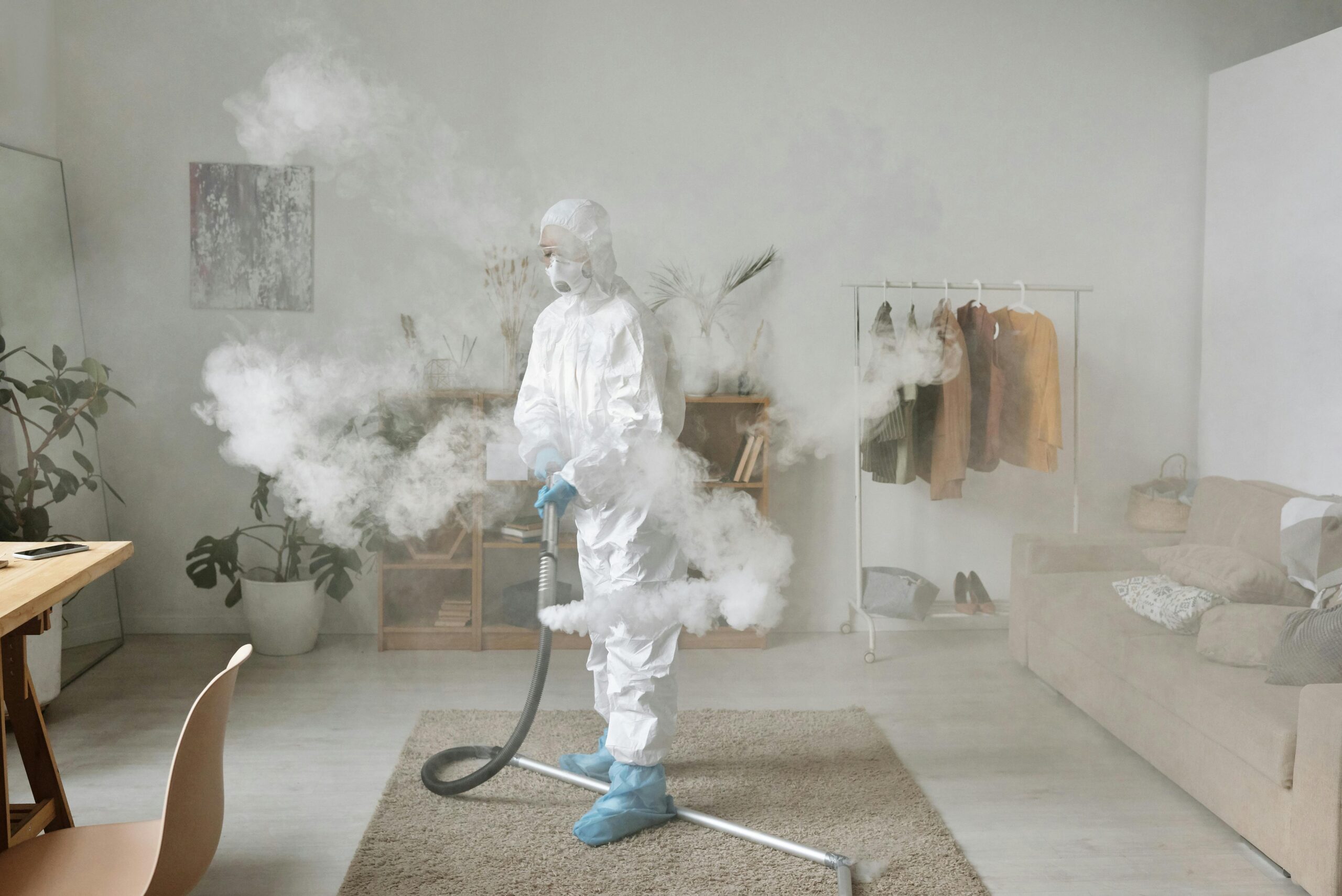
Severe contamination may require professional remediation. Extensive mold growth, sewage intrusion, or persistent unidentified odors warrant expert assessment and treatment. Professionals possess specialized equipment and training to safely address serious moisture damage.
Deep Cleaning and Restoration Techniques
Porous materials that absorbed moisture and odors often require specialized treatment or replacement. Carpeting, padding, and drywall with extensive water damage rarely recover fully from cleaning attempts. Swift action within 24-48 hours of water exposure prevents permanent damage and odor absorption.
Ozone generators and hydroxyl generators provide powerful odor elimination for severely affected spaces. These devices generate reactive molecules that oxidize odor-causing compounds at molecular levels. Professional supervision ensures safe, effective application without occupant exposure.
Long-Term Environmental Health Benefits
Effective moisture control extends beyond odor elimination to provide substantial health benefits. Reduced mold exposure decreases respiratory symptoms, allergic reactions, and asthma triggers. Controlling dust mites through humidity management alleviates allergies and improves sleep quality.
Indoor air quality improvements enhance cognitive function, productivity, and overall wellbeing. Studies demonstrate that optimal humidity levels between 40-60% minimize airborne virus transmission while preventing excessive dryness or dampness that causes discomfort.
Property protection represents another significant benefit. Moisture damage causes extensive structural deterioration, material decay, and reduced building lifespan. Proactive moisture management preserves property value and prevents costly repairs from water damage, rot, and pest infestations attracted to damp conditions.
💡 Creating Your Customized Protocol
Developing an effective moisture control strategy requires assessing your specific circumstances. Evaluate climate conditions, building characteristics, occupancy patterns, and existing problem areas. Document current humidity levels throughout your space to establish baseline measurements for tracking improvement.
Prioritize interventions based on severity and impact. Address active leaks and serious moisture intrusion immediately, then implement preventive measures like improved ventilation and dehumidification. Gradually refine protocols based on measured results and seasonal variations.
Budget considerations influence implementation timelines. Start with cost-effective measures like improved ventilation habits and regular cleaning, then invest in mechanical systems and building improvements as resources allow. Even incremental progress yields noticeable air quality improvements.
Consistent application determines success more than equipment sophistication. Simple protocols followed reliably outperform advanced systems used sporadically. Establish routines, set reminders, and integrate moisture control practices into daily habits for sustainable results that maintain fresh, healthy indoor environments year-round.
By mastering moisture control through these comprehensive protocols, you create spaces that smell fresh, feel comfortable, and support optimal health. The investment in proper moisture management pays dividends through enhanced quality of life, preserved property value, and the peace of mind that comes from breathing clean, odor-free air in every room of your home or workspace.