Sustainable living starts with smart choices, and composting is one of the most impactful decisions you can make for your household and the environment.

Whether you’re a beginner exploring eco-friendly practices or an experienced gardener looking to upgrade your waste management system, understanding the costs associated with different compost systems is essential. This comprehensive guide will walk you through various composting options, their price points, and help you determine which system offers the best value for your specific needs and budget.
🌱 Why Investing in a Compost System Makes Financial Sense
Before diving into specific costs, it’s important to understand the long-term financial benefits of composting. Many people view compost systems as an expense, but they’re actually an investment that pays dividends over time.
Composting reduces your household waste by up to 30%, potentially lowering garbage collection fees in municipalities that charge by volume or weight. Additionally, you’ll save money on commercial fertilizers, soil amendments, and bagged compost from garden centers. A single bag of quality compost can cost $5-15, and serious gardeners might purchase dozens annually.
The nutrient-rich compost you produce improves soil health, leading to healthier plants that require fewer pesticides and replacement costs. Over a five-year period, a modest compost system can save the average household between $300-600 while simultaneously reducing environmental impact.
Understanding Different Compost System Categories and Their Price Ranges
Compost systems vary dramatically in complexity, capacity, and cost. Understanding these categories helps you match your budget with your composting goals and available space.
Traditional Outdoor Compost Bins
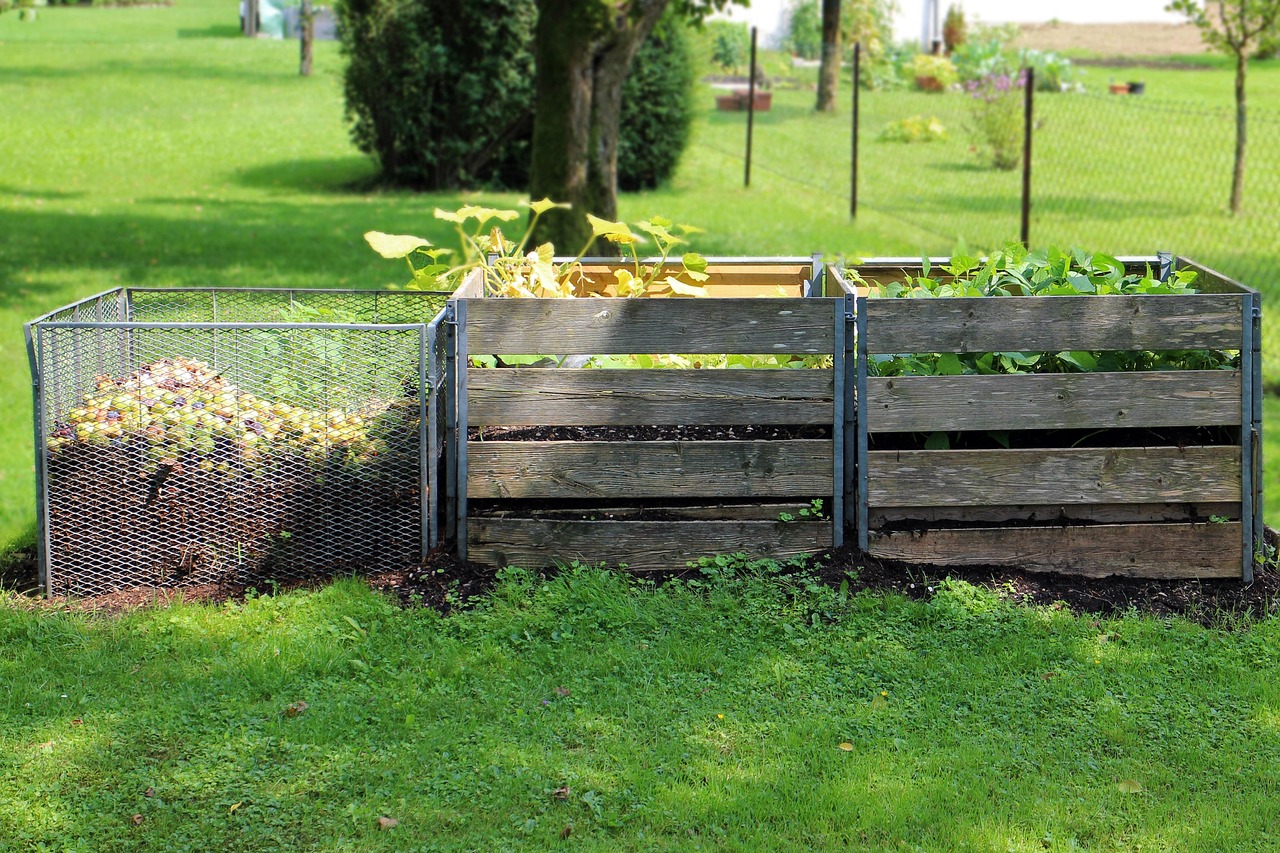
Traditional outdoor bins represent the most economical entry point into composting. These systems range from simple wire enclosures to more sophisticated tumbling units.
Basic wire or wood bin enclosures typically cost between $30-100. These DIY-friendly options require minimal investment but demand more hands-on management, including regular turning with a pitchfork. They work best for homeowners with yard space and patience for a slower composting process that takes 6-12 months.
Mid-range stationary bins, constructed from durable plastic or treated wood, run $100-250. These often include features like removable panels for easier access, ventilation systems, and pest-resistant designs. They’re ideal for suburban homeowners who want a balance between cost and convenience.
Premium tumbling composters occupy the $150-400 range. These barrel-style systems rotate on an axis, making turning effortless and accelerating decomposition to as little as 4-6 weeks. The higher price reflects engineering that reduces physical effort and produces finished compost faster.
Indoor and Countertop Composting Solutions
For apartment dwellers or those with limited outdoor space, indoor systems provide viable alternatives with different cost considerations.
Basic countertop collection bins cost $20-60 and serve as temporary storage before transferring scraps to an outdoor system or municipal collection. While not true composting systems, they’re essential accessories that reduce odors through charcoal filters.
Electric composters represent a significant technological leap, priced between $300-500. These countertop appliances use heat, grinding mechanisms, and automated mixing to transform food waste into usable compost or dehydrated material within 24 hours. Brands like Lomi and FoodCycler dominate this category, offering convenience for busy urban households willing to pay premium prices for speed and odor control.
Bokashi systems occupy a middle ground at $60-120. This Japanese fermentation method uses beneficial microbes to break down food waste, including meat and dairy that traditional composting cannot handle. The system requires purchasing bokashi bran regularly (approximately $15-25 per month), adding to long-term costs.
Vermicomposting Systems 🪱
Worm composting systems harness red wiggler worms to transform kitchen scraps into nutrient-dense castings. These systems work indoors or outdoors and appeal to eco-conscious individuals seeking premium soil amendments.
Entry-level worm bins start around $50-80 for basic single-tray systems. Mid-range stackable tray systems cost $100-150 and allow for easier harvesting as worms migrate upward through trays. Premium systems with advanced features like drainage spigots and ventilation can reach $200-300.
Initial worm purchase adds $30-50 for a pound of red wigglers (approximately 1,000 worms), but they reproduce, eliminating recurring costs. Bedding materials like shredded newspaper are essentially free, making vermicomposting economical long-term despite moderate startup costs.
Hidden Costs and Ongoing Expenses to Consider
The purchase price tells only part of the cost story. Smart shoppers factor in ongoing expenses and hidden costs that impact total ownership costs over the system’s lifespan.
Electricity and Operational Costs
Electric composters consume significant energy, typically 0.5-1 kWh per cycle. At average electricity rates of $0.13 per kWh, running a cycle daily costs approximately $2-4 monthly, or $24-48 annually. Over a five-year lifespan, this adds $120-240 to your total investment.
Traditional bins and vermicomposting systems require zero electricity, making them more cost-effective for budget-conscious households and those prioritizing minimal environmental impact beyond waste reduction.
Maintenance and Replacement Supplies
Different systems require various consumables and replacement parts. Tumbling composters may need replacement bearings or hinges after several years of use, costing $20-50. Indoor electric units often require periodic filter replacements at $15-30 per filter, typically needed 2-3 times yearly.
Bokashi systems demand continuous purchases of inoculated bran, adding approximately $180-300 annually. While this seems expensive, bokashi handles food waste that other systems cannot, potentially justifying the cost for specific household needs.
Vermicomposting requires occasional bedding additions and pH management materials, but these typically cost under $20 annually when using free materials like shredded office paper and cardboard.
Carbon Additives and Balancing Materials
Successful composting requires balancing nitrogen-rich “green” materials (food scraps, fresh grass) with carbon-rich “brown” materials (dried leaves, paper, wood chips). While many brown materials are free, some households in urban settings may need to purchase them.
Bags of wood chips, shredded paper products, or coconut coir typically cost $5-15 per bag. Most households need 2-4 bags annually, adding $10-60 to yearly expenses. Strategic sourcing from landscaping companies, cardboard recycling, or fallen leaves eliminates these costs entirely.
Comparing Value: Cost per Pound of Finished Compost
The most meaningful cost comparison calculates how much you pay per pound of finished compost over the system’s expected lifespan.
A basic $75 bin lasting 10 years that produces 200 pounds of compost annually yields 2,000 pounds total, costing approximately $0.04 per pound. A $400 tumbling composter lasting 7 years and producing 300 pounds yearly generates 2,100 pounds at $0.19 per pound. An electric composter costing $400 with $40 annual electricity and $60 in filters over a 5-year lifespan producing 500 pounds total costs approximately $1.20 per pound.
These calculations reveal that traditional systems offer superior value purely from a cost-per-pound perspective. However, they don’t account for convenience, space requirements, processing speed, or the ability to handle specific waste types—factors that significantly impact perceived value for different users.
Matching Your Budget to Your Composting Goals 🎯
The “best value” system depends entirely on your specific circumstances, goals, and how you define value beyond simple cost metrics.
Budget-Conscious Beginners ($0-75)
If you’re testing composting without significant financial commitment, DIY solutions and basic bins provide excellent entry points. A simple wire enclosure constructed from $20 worth of hardware cloth offers functionality without investment risk.
Collection containers for kitchen scraps cost $10-30, paired with participation in municipal composting programs where available, combine minimal cost with environmental benefits without requiring space or maintenance.
Suburban Homeowners with Garden Space ($100-250)
Households with yards who actively garden find the sweet spot in mid-range bins or entry-level tumbling composters. These systems process sufficient volume for typical family food waste while producing enough compost for garden beds and landscaping.
A $150-200 investment delivers years of reliable service with minimal ongoing costs. This range offers the best balance of capacity, convenience, and cost-effectiveness for average suburban composting needs.
Urban Apartment Dwellers ($60-500)
Space-constrained urban residents face different value calculations. A compact vermicomposting system at $100-150 provides apartment-friendly composting with minimal odor and space requirements.
For those prioritizing maximum convenience and willing to invest significantly, electric composters at $300-500 transform composting from a project into an appliance-simple process. While expensive per pound of output, they overcome space and odor barriers that would otherwise prevent composting entirely.
Serious Gardeners and Homesteaders ($300-1000+)
Households generating substantial organic waste and maintaining extensive gardens benefit from multiple system types or large-capacity units. Combining a large tumbling composter ($300-400) with a vermicomposting system ($150) and traditional bins for yard waste creates a comprehensive waste management system.
These investments pay dividends through dramatically reduced waste hauling, eliminated fertilizer purchases, and superior soil quality that increases property value and garden productivity.
Maximizing Your Compost System Investment
Regardless of which system you choose, certain practices maximize value and return on investment.
Proper Material Balance and Management
The most common composting failure stems from improper material ratios. Maintaining approximately 30:1 carbon-to-nitrogen ratio ensures efficient decomposition and prevents odor problems that discourage continued use.
Learning to identify green and brown materials and adjusting inputs accordingly costs nothing but dramatically improves compost quality and production speed. A $200 system managed poorly produces less value than a $50 bin managed expertly.
Strategic Placement and Site Selection
Locating your compost system appropriately extends its lifespan and improves performance. Outdoor bins placed in partial shade with good drainage last longer and maintain better moisture levels. Indoor systems positioned away from direct sunlight prevent overheating and reduce fruit fly attraction.
Convenient placement between your kitchen and composting system increases compliance, ensuring you actually use your investment rather than letting it sit idle.
Complementary Systems for Different Waste Streams
Many experienced composters use multiple systems to handle different materials optimally. Vermicomposting excels at processing coffee grounds and vegetable scraps, while traditional bins better handle large volumes of yard waste. Bokashi systems handle meat, dairy, and oily foods that other methods cannot process.
Starting with one system and adding complementary methods as you gain experience creates a customized waste management approach that maximizes value across all organic waste streams.
🌍 Environmental Value Beyond Dollar Costs
While this guide focuses on financial costs, the environmental value of composting systems deserves recognition in any comprehensive value assessment.
Every pound of organic material composted at home diverts waste from landfills, where it would generate methane—a greenhouse gas 25 times more potent than carbon dioxide. Composting reduces transportation emissions associated with waste hauling and compost manufacturing.
Home compost improves soil carbon sequestration, water retention, and reduces erosion. These environmental benefits, while difficult to quantify financially, represent genuine value that extends beyond your household to your community and planet.
Making Your Decision: A Practical Framework
To identify your best-value compost system, work through this decision framework systematically.
First, calculate your household’s organic waste volume by tracking what you discard over two weeks. Multiply by 26 to estimate annual volume. This determines the capacity you need.
Second, assess your available space honestly. Measure potential locations for outdoor systems or identify countertop and under-sink areas for indoor solutions.
Third, determine your time availability. Busy professionals may find value in automated electric systems despite higher costs, while retirees might enjoy the hands-on nature of traditional composting.
Fourth, calculate your five-year total cost of ownership including purchase price, electricity, consumables, and maintenance. Divide by estimated compost production to determine cost per pound.
Finally, weight these financial calculations against convenience, speed, and your specific ability to use certain features. The mathematically cheapest option isn’t always the best value if it remains unused or produces insufficient compost for your needs.
Taking Action Toward Sustainable Living ♻️
Comparing compost system costs reveals that “best value” means different things to different households. The DIY bin provides unbeatable cost-per-pound economics, while electric composters offer unmatched convenience despite premium pricing. Vermicomposting delivers premium soil amendments, and bokashi systems handle materials other methods cannot process.
The true best value emerges when you match system capabilities to your specific circumstances, budget, and sustainability goals. A system you’ll actually use consistently delivers infinitely more value than a cheaper option that sits neglected or a premium system that exceeds your needs.
Start by choosing an affordable system that matches your current situation, knowing you can always add complementary methods as your composting experience grows. The environmental and financial returns begin accumulating immediately, and the skills you develop create lasting value far beyond the initial investment.
Your journey toward sustainable living through composting doesn’t require perfection or premium equipment—it simply requires taking that first step with a system that fits your life today.