Every year, millions of tons of food waste end up in landfills, producing harmful methane gas and wasting valuable nutrients that could enrich our gardens instead.

The battle between bokashi composting and traditional backyard composting has gardeners everywhere wondering which method truly delivers the best results. Both techniques promise to transform kitchen scraps into nutrient-rich soil amendments, but they work in fundamentally different ways. Understanding the strengths, limitations, and ideal applications of each method will empower you to make the right choice for your gardening situation, climate, and lifestyle.
🌱 Understanding the Fundamental Differences Between Bokashi and Traditional Composting
Bokashi and backyard composting represent two distinct philosophical approaches to breaking down organic waste. Traditional composting relies on aerobic decomposition, where oxygen-loving bacteria break down organic matter in the presence of air. This process generates heat and gradually transforms materials into dark, crumbly humus over several months.
Bokashi, conversely, employs anaerobic fermentation using specialized microorganisms, primarily lactic acid bacteria, yeasts, and phototrophic bacteria. This Japanese method pickles food waste in an airtight container, preserving nutrients rather than burning them off through heat. The process happens quickly, typically within two weeks, but requires an additional soil burial period before the material fully integrates into your garden ecosystem.
The biological processes driving these methods create dramatically different end products. Traditional compost produces stable humus immediately usable in gardens, while bokashi creates a pre-compost that’s acidic and requires further transformation in soil before plants can access its nutrients.
The Bokashi Method: Fermentation Power in Your Kitchen
Bokashi composting originated in Japan during the early 1980s when Dr. Teruo Higa developed effective microorganisms (EM) technology. The system uses a specialized bucket with an airtight lid and a drainage tap at the bottom. Users layer food scraps with bokashi bran—a carrier material inoculated with beneficial microorganisms—and press out air after each addition.
The fermentation process produces a distinctive sweet-sour smell, similar to pickles or fermented vegetables. If properly managed, bokashi never creates the rotting odors associated with anaerobic decomposition gone wrong. The bucket also generates bokashi tea, a nutrient-rich liquid that drains from the fermenting waste and serves as an excellent liquid fertilizer when diluted.
What Can Go Into Your Bokashi Bucket
One of bokashi’s greatest advantages is its remarkable versatility in accepting food waste. Unlike traditional composting, bokashi handles:
- Meat, fish, and bones
- Dairy products including cheese and yogurt
- Cooked foods and leftovers with oils or sauces
- Raw fruits and vegetables
- Bread, pasta, and grains
- Coffee grounds and tea bags
- Small amounts of paper products
This acceptance of protein-rich materials makes bokashi particularly valuable for households that want to divert all their food waste from landfills. Traditional composting systems either exclude these materials entirely or require careful management to prevent pest problems and unpleasant odors.
The Bokashi Process Timeline
The bokashi journey unfolds in distinct phases. The active fermentation period lasts approximately 10-14 days after the bucket fills. During this time, the microorganisms work their magic, breaking down complex organic molecules while preserving maximum nutrients. The material becomes softer and develops a whitish mold on the surface, which indicates healthy fermentation.
After fermentation completes, the contents must be buried in soil or added to a traditional compost pile for an additional 2-4 weeks. During this phase, soil organisms complete the decomposition process, neutralizing the acidity and integrating the nutrients into the soil ecosystem. The total timeline from kitchen scrap to garden-ready amendment spans roughly 6-8 weeks.
🏡 Traditional Backyard Composting: The Time-Tested Approach
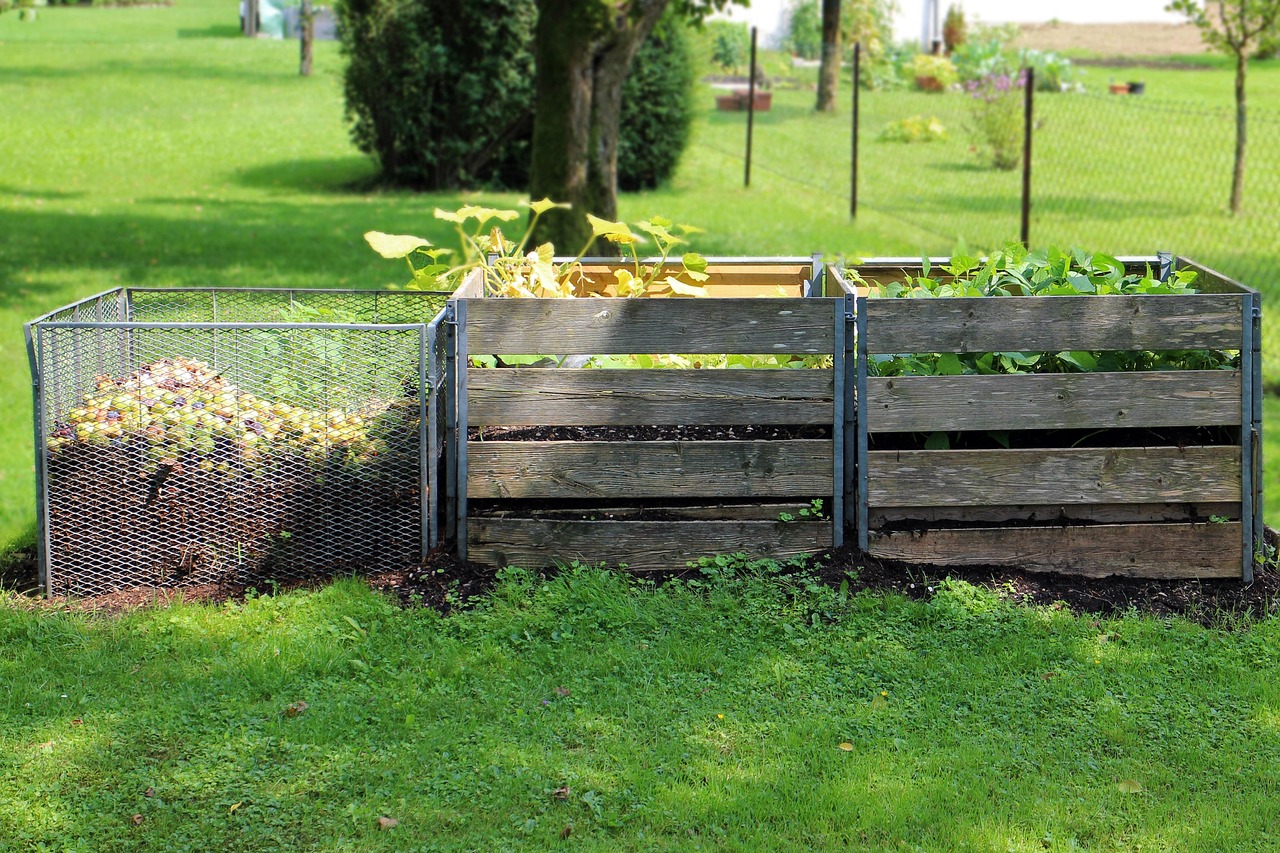
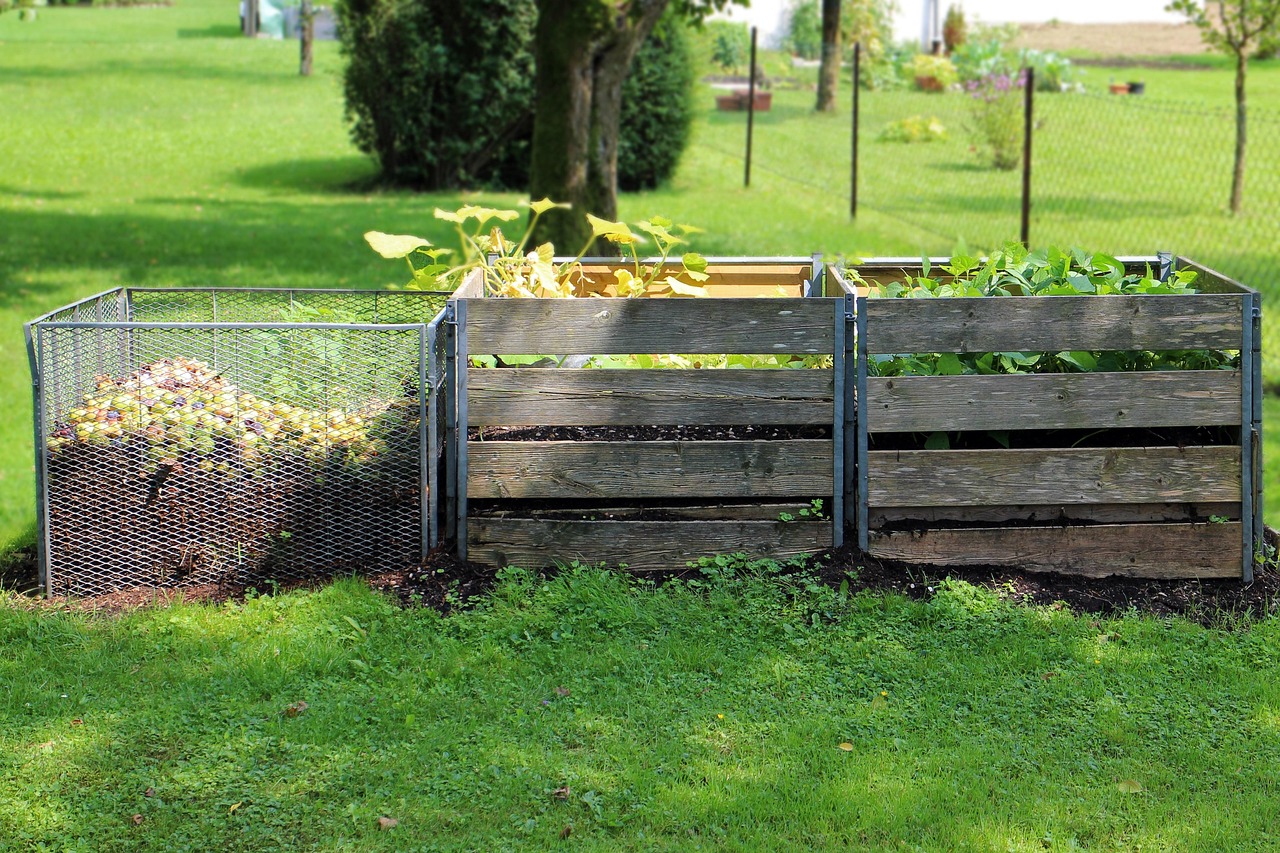
Backyard composting has been practiced for centuries, representing humanity’s instinctive understanding that organic matter returns to soil. Modern composting bins, tumblers, and open pile systems have refined this ancient practice, but the fundamental principles remain unchanged: provide the right balance of materials, moisture, air, and time.
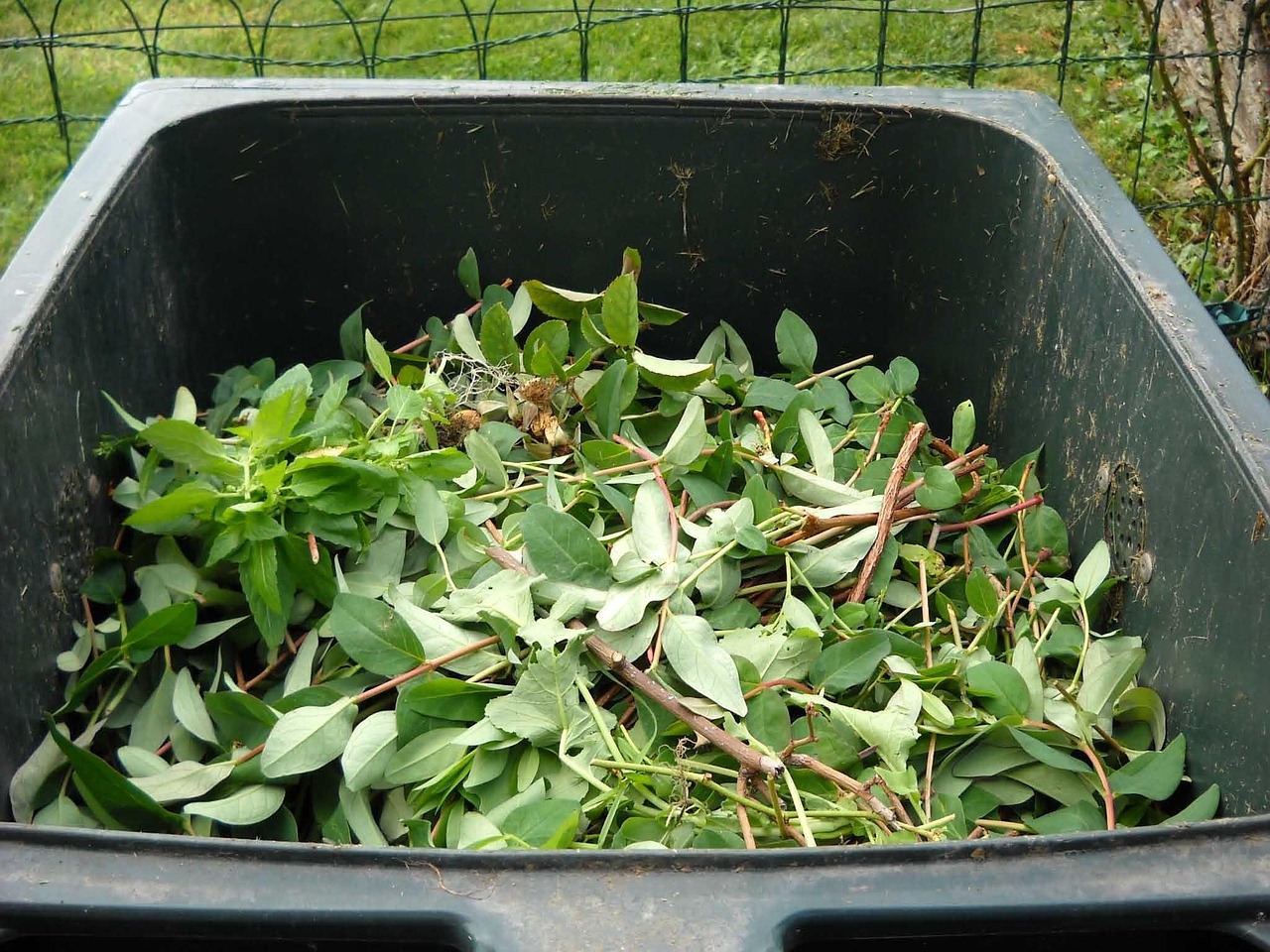
Successful traditional composting requires maintaining proper ratios of carbon-rich “brown” materials (dried leaves, cardboard, wood chips) and nitrogen-rich “green” materials (fresh grass clippings, vegetable scraps, coffee grounds). The ideal ratio sits around 30:1 carbon to nitrogen, though precise measurement isn’t necessary for home gardeners who develop intuition through experience.
The Composting Ingredient Rulebook
Traditional composting systems work best with specific materials while excluding others for practical and safety reasons:
- Vegetable and fruit scraps (excluding citrus in large quantities)
- Coffee grounds and filters
- Tea bags (remove staples)
- Eggshells crushed for faster breakdown
- Grass clippings in thin layers
- Dried leaves and plant trimmings
- Shredded newspaper and cardboard
- Wood chips and sawdust from untreated wood
Materials to avoid include meat, dairy, oils, diseased plants, pet waste from carnivores, and anything treated with pesticides. These exclusions protect compost quality and prevent attracting rodents or creating health hazards.
Managing Your Compost Pile for Success
Temperature management separates successful composting from slow, problematic piles. Active compost piles heat up to 130-160°F (54-71°C), which kills weed seeds and pathogens while accelerating decomposition. Achieving and maintaining these temperatures requires adequate pile size (at least one cubic yard), proper moisture (like a wrung-out sponge), and regular turning to introduce oxygen.
Turning frequency dramatically impacts decomposition speed. Hot composting with frequent turning can produce finished compost in 4-8 weeks, while passive cold composting may take 6-12 months. Most backyard gardeners practice something between these extremes, turning their piles monthly and harvesting finished compost seasonally.
⚖️ Head-to-Head Comparison: Which Method Wins Where
| Factor | Bokashi | Backyard Composting |
|---|---|---|
| Space Required | Minimal (small bucket) | Moderate to large (bin or pile) |
| Processing Time | 2 weeks + 4 weeks burial | 2-12 months depending on method |
| Accepted Materials | All food waste including meat/dairy | Plant materials only, no meat/dairy |
| Odor Level | Minimal (sweet-sour smell) | Earthy when managed well |
| Physical Effort | Very low | Moderate (turning required) |
| Pest Attraction | None (sealed system) | Possible if not managed properly |
| Cost | Moderate (bucket + ongoing bran) | Low to moderate (bin purchase) |
| Climate Sensitivity | Works year-round indoors | Slows or stops in winter |
💰 Financial Considerations: Setup and Ongoing Costs
Bokashi systems require initial investment in specialized equipment and ongoing purchases of bokashi bran. A quality bokashi bucket costs between $60-120, and you’ll typically need two buckets to maintain continuous operation—one actively filling while the other ferments. Bokashi bran runs approximately $15-25 per kilogram, with typical usage of 20-30 grams per layer of food waste.
Traditional composting bins range from free (simple wire mesh or pallet constructions) to $300+ for premium tumbler systems. Many municipalities offer subsidized compost bins to residents for $20-50. After initial setup, traditional composting incurs virtually no ongoing costs, as brown and green materials typically come from your own yard or kitchen.
Over a five-year period, bokashi’s ongoing bran costs typically exceed traditional composting’s one-time bin investment. However, for apartment dwellers without yard space for traditional composting, bokashi may represent the only viable option, making cost comparisons less relevant.
🌍 Environmental Impact: Carbon Footprint and Sustainability
Both methods dramatically reduce environmental impact compared to sending food waste to landfills, where it generates methane, a greenhouse gas 25 times more potent than carbon dioxide. However, their environmental profiles differ in important ways.
Bokashi fermentation produces minimal greenhouse gases because the anaerobic process happens in a controlled environment without methane generation. The method preserves maximum nutrients and organic matter, theoretically delivering more carbon back to soil. However, bokashi bran production and transportation add embodied carbon to the system.
Traditional composting produces some carbon dioxide through aerobic decomposition and may generate methane if piles become anaerobic in the center. Well-managed piles minimize these emissions while creating valuable humus that sequesters carbon in soil for years or decades. The lack of manufactured inputs makes traditional composting’s carbon footprint primarily dependent on how you manage your pile.
🏆 Choosing Your Champion: Situational Winners
Bokashi Dominates When You:
Live in an apartment or condo without yard access. The compact, odor-free system fits perfectly under kitchen sinks or on balconies. Urban gardeners can ferry fermented bokashi to community gardens or share with friends who have yards for the burial phase.
Generate significant meat, fish, or dairy waste. Households that eat diverse diets including animal proteins will divert substantially more waste through bokashi than traditional composting permits. This advantage proves especially valuable for families committed to zero-waste lifestyles.
Experience harsh winters that shut down outdoor composting. Bokashi continues processing indoors regardless of weather, maintaining your waste diversion efforts year-round without seasonal interruptions.
Traditional Composting Wins When You:
Have abundant yard space and generate significant yard waste. Large properties produce volumes of leaves, grass clippings, and prunings that would overwhelm bokashi’s small-scale approach. Traditional piles or bins handle these materials efficiently without ongoing supply purchases.
Want immediate, finished compost for your garden. Traditional composting produces ready-to-use humus that integrates directly into garden beds without additional waiting periods or burial requirements.
Prefer minimal ongoing costs and maximum self-sufficiency. Once established, traditional composting systems operate indefinitely without purchasing specialized products, appealing to budget-conscious or self-reliant gardeners.
🤝 The Hybrid Approach: Best of Both Worlds
Many experienced gardeners discover that combining both methods delivers optimal results. This integrated strategy uses bokashi for kitchen scraps, especially proteins and dairy, while directing yard waste into traditional compost piles. The fermented bokashi output gets added to the compost pile rather than buried directly, accelerating decomposition and enriching the final product.
This hybrid approach maximizes waste diversion while minimizing each method’s limitations. The bokashi system handles problematic kitchen materials without attracting pests, while the compost pile efficiently processes bulky yard materials and provides the environment for completing bokashi fermentation. The compost pile also eliminates the need for burial space, solving a common bokashi challenge for gardeners with limited planting areas.
The bokashi tea produced during fermentation provides an additional benefit, offering a liquid fertilizer unavailable from traditional composting alone. Diluted 1:100 with water, this tea delivers readily available nutrients to growing plants throughout the season.
🔧 Troubleshooting Common Challenges in Both Systems
Bokashi users occasionally encounter putrid smells indicating unsuccessful fermentation, usually caused by insufficient bran, inadequate pressing to remove air pockets, or bucket leaks allowing oxygen entry. The solution involves draining liquid more frequently, adding extra bran layers, and ensuring the lid creates a proper seal.
Traditional composters face challenges with wet, smelly piles (too much nitrogen or moisture) or dry piles that won’t decompose (insufficient nitrogen or water). Adding brown materials and turning addresses wet conditions, while green materials and water remedy dry situations. Patience and observation teach gardeners to read their pile’s signals and respond appropriately.
🎯 Making Your Decision: A Personal Waste Management Strategy
Your ideal composting approach depends on multiple factors working in concert. Consider your living situation, waste generation patterns, available time, physical capabilities, and gardening goals. Neither method is universally superior—each excels in specific contexts and serves different needs.
Start by auditing your waste stream for a week. What percentage is compostable? How much includes materials only bokashi accepts? Do you have space for bins or piles? Are you prepared for the physical activity of turning compost? These practical questions guide you toward the method that fits your life rather than forcing your life to accommodate a composting system.
Remember that imperfect action beats perfect planning. Starting with either method—even if not ideally optimized—immediately begins diverting waste from landfills and creating resources for your garden. You can always adjust, expand, or switch methods as you gain experience and understand what works for your unique situation. The ultimate winner in this battle isn’t bokashi or backyard composting—it’s your garden, which benefits from the gold you create from kitchen scraps and yard waste, whichever path you choose to transform them.